


10mm鋼材のプレスブレーキトン数の計算方法 (シンプルメソッド)
マシンの設定を当ててダイが割れたり、メモリが止まったりするリスクを冒すのはやめましょう. 10mmの鋼材を扱うとき, ミスの余地がほとんどなくなる重い領域に入ります. このガイドでは、毎回完璧な曲げを手に入れるための正確な計算方法とプロの手順を教えてくれます.
10mm鋼材のプレスブレーキトン数はどうやって計算しますか?
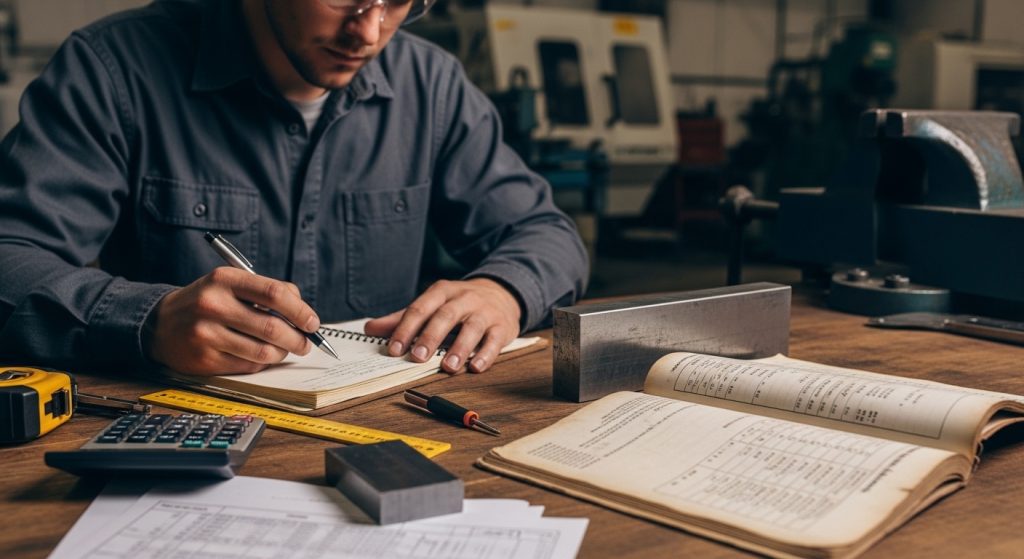
10mm鋼材のプレスブレーキトン数を計算するために, 式を用$P = (650 × S^2 × L) / V$. 10mm軟鋼の場合, 通常、80mmから100mmのV字開口部を選択します. 80mm Vダイで, 長さ1メートルあたり約82トンの力が必要です. RAMをサイクルする前に必ずマシンの容量チャートを確認してください.
空気の曲げ力の標準公式
ほとんどの店は空気曲げの実績あるフォーミュラに頼っている. 素材の厚さを知る必要があります ($S$), 曲がりの長さ ($L$), Vダイオープニング ($V$).
引張強度450ドルの軟鋼の場合{ N/mm}^$2, その式は次のようになります:
$$P = フラク{650 × S^2 × L}{V}$$
この式において, $P$はキロニュートン単位の力です ($10テキスト{ kN} 約1テキスト{ トーン}$). 10mmの鋼材を80mmのV型ダイの上に1メートル曲げると:
- 厚さの正方形: $10 × 10 = 100$.
- 650を掛ける: $100 650 = 65,000$.
- V字開きで割る (80): 65ドル,000 / 80 = 812.5text{ kN}$.
- トンに換算してください: 81.25トン毎メートル.
なぜV-Dieの選択が最も重要な決断なのか
10mmの地点に達したときにランダムにVダイを選ぶことはできません. この厚さの鋼材の経験則は、厚さの8倍から10倍のV字開口部です. V字開口部が小さくなると曲がりが締まりますが、必要な重量は急増します. V字開口部が大きいほど、機械への曲げが楽になりますが、内側の半径は大きくなります.
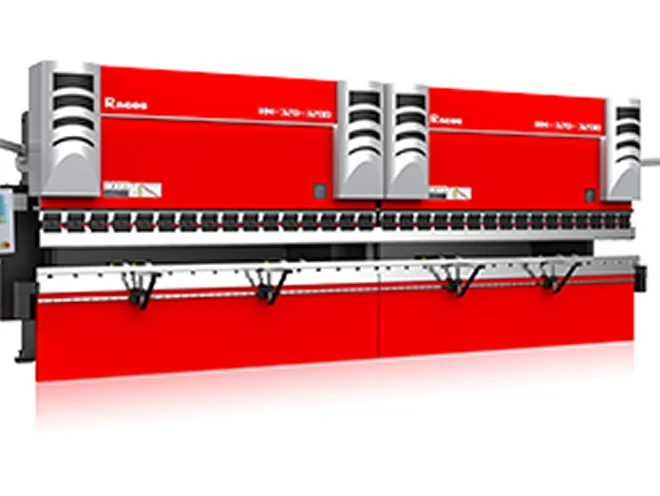
10mm鋼材に対して60mmのVダイを選ぶなら, あなたのトン数要求は1メートルあたり108トンを超えます. これは標準の限界を簡単に超える可能性があります 4000mmプレスブレーキ 全長のシーツを曲げると. 常にバランスの取れたものを目指してください ダイの開局トン数 工具を保護するために.
材料の種類が計算に与える影響
軟鋼が基準です, しかし、ステンレススチールは計算を変えます. ステンレスはより丈夫で、約50%の圧力が必要です. もし10mmのプロジェクトが304ステンレスを使っているなら, 最終トン数を1.5倍にしなければなりません.
| 素材の種類 | 乗数 | 10mmのトン数 (80mm V) |
| マイルドスチール | 1.0 | 82トン/m |
| アルミニウム | 0.5 | 41トン/m |
| ステンレス鋼 | 1.5 | 123トン/m |
10mmの鋼厚が工具の摩耗にどのように影響するか?
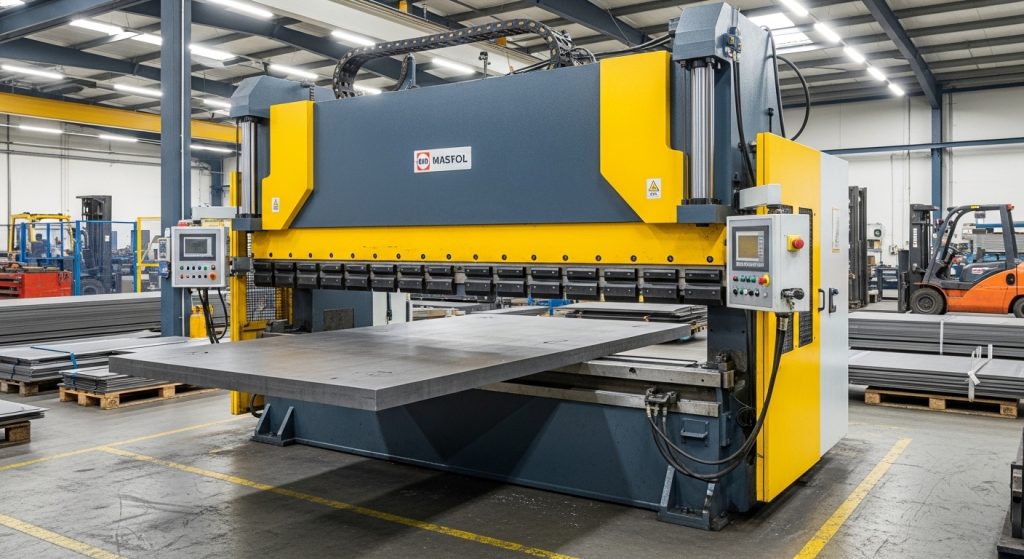
10mmの鋼を曲げると、 "肩" あなたのVダイの. この厚さにより、高圧下で材料が金型の縁を横切って引きずられます. 鋼材がかぶたむくのを防ぐために、硬化された工具と適切な潤滑剤を使用しなければなりません。 "ピックアップ" サイコロの上で.
重いプレートに適したプレスブレーキの選択
あなたの日常業務が 10mmのシート曲げ, 構造的な強度のために作られた機械が必要です. 軽量機械は80トンの圧力で柔軟に曲がることもあります, 続いて "ボート型" 中央が端ほどシャープでない部分は曲がっています.
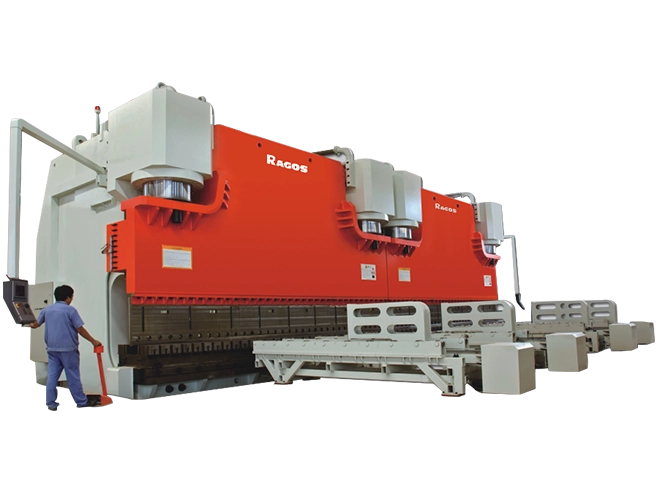
10mmプレートで安定した結果を得るために, ある 重装備プレスブレーキ クラウンシステムが非常に重要です. クラウニングシステムはベッドの自然なたわみを補正します, 10mmの曲がりを片端からもう片方まで90度に保つこと.
長さの計算と長さの計算. 収容人数
トン数は累積的なものであることを忘れないでください. もしあなたが プレスブレーキ容量 200トンで、3メートルの10mmの鋼片を曲げます, 君は困っている. 82トン毎メートル, 3メートルの曲がり角には246トンが必要です. V字開口部を100mmに増やすか、もっと大きな機械を探す必要があります.
回避 "造語" 10mmプレート上のトラップ
ほとんど絶対にやるべきではありません "コイン" 10mm鋼. コイン加工は、パンチを金型に押し込み、金属を押し固めるのに十分な力で打ち込むことです. 10mmプレートの場合, コイン製造のトン数は空気曲げの5倍から10倍にもなります. ほとんどの標準的な機械や金型は、10mmプレートのコイン曲げになる前に爆発や変形が起きてしまいます. 3mmを超える場合はエアベンディングに専念してください.
内側の曲がり半径はトン数によってどのように変化しますか?
内側半径 ($Ri$) 曲げるのは選択したV型の開口部に直接結びついています. 空気の曲げにおいて, $RiドルはV字開口部の約1/6に相当します ($V/6ドル). 80mmのV型ダイに10mm鋼材を付ける場合, 内側半径は約13.3mmになります. 100mmのV型ダイを使ってトン数を減らすなら, 半径はおよそ16.6mmに増えます.
最小フランジ長の計算
80mmのVダイを使って10mmの鋼に20mmフランジを曲げることはできません. その駒はただ穴に落ちてしまいます. 最小フランジ長 ($b$) 通常は$0.7 × V$として計算されます。. 80mm Vダイの場合, 曲げている間に固定するには、フランジの長さが少なくとも56mm以上必要です.
なぜ引張強度はバッチごとに異なるのか
すべての10mm鋼が同じではありません. 鋼板はしばしば炭素含有量が高いか、圧延工程で加工硬化されています. もしあなたのプレートが "熱圧延" 対比 "コールドロール," 抵抗が変わります. 計算されたトン数と機械の最大限界の間には、常に安全マージン(少なくとも20%)を保ちましょう.
10mm鋼材用のプレスブレーキの設定方法?
10mmプレートのセットアップには、最初のヒット前に工具のアライメントを2回確認する必要があります. 力が非常に大きいからです, わずかなズレでもRAMが壊れたり、バックゲージのキャリブレーションが狂うことがあります. まずは同じ材料のバッチのテストピースから角度を確認しましょう.
工具の応力骨折の検査
80トンの圧力をかける前に, パンチやダイを小さなひび割れがないか点検してください. 10mm鋼材での高トン数の曲げは原因となることがあります "疲労" 時間をかけて金属の中で. V字型の縁に欠けたり、パンチ先にマッシュルームができていないか確認してください.
激しい曲げに適切な潤滑剤を使う
重厚な曲げ潤滑剤は、材料を金型に滑り込ませるために必要な力を軽減します. これにより実際のトン数がわずかに減り、Vダイの寿命が延びます. 金型の上端には厚いグリース層か専用の曲げフィルムを塗布します.
10mmスチールでのスプリングバックの管理
スプリングバックとは、金属が "曲げる" 圧力が解放された直後に少し. 10mm軟鋼の場合, 通常は1〜2度のスプリングバックを経験します. 最終的に90度の角度を得るには、約91度か92度まで曲げる必要があります.
高精度プロジェクトの高度な計算
基本的な計算式は90%の仕事に当てはまる, 精密工学には "Kファクター" そしてバッチの比引張強度. 航空宇宙や防衛分野向けの部品を製造している場合, 10mmの鋼粒が極端な応力下でどのように振る舞うかを考慮しなければなりません.
トン数要件における穀物方向の役割
製鋼所で鋼が圧延されるとき, 結晶方向が形成されます. ベンディング "木目とともに" より簡単で、やや少ないトン数で済みます, しかし、金属は曲がりの外側で割れやすいです. ベンディング "横方向に" (垂直) 約5%から10%多く輸送量を必要としますが、はるかに強固な結果をもたらします, より耐久性のある曲げ. 10mm構造板の場合, 構造的破損を避けるために、常に木目を横切って曲げるようにしてください.
高強度合金の引張強度調整
もしHardoxや他の高強度耐摩耗鋼材を10mm厚で扱う場合は, 標準の$450テキスト{ N/mm}^2$ 乗算はもはや適用されません. これらの材料の中には、引張強度が1000ドルを超えるものもあります{ N/mm}^$2.
これらの材料の公式を調整するために:
$$P_{副称} = P × frac{テキスト{実際の引張強度}}{450}$$
もしあなたの10mmの鋼材が引張強度が700ドルならテキスト{ N/mm}^$2, メートルあたりのトン数は82トンからほぼ128トンに跳ね上がります. これを考慮しないことが、重厚な店でのパンチのスナップの主な原因です.
理解 "圧力スパイク" ボトム・ベンディングにおいて
このガイドは空気曲げに焦点を当てています, 一部のオペレーターは時折 "底" 10mmプレートを使い、再現性の向上を目指しています. ご注意ください: パンチがストロークの下部で材料とダイに完全に接触した瞬間, トン数は単に増えるだけでなく、急増します.
底打ちのシナリオにおいて, 必要な圧力は簡単に3倍から4倍になります. つまり、82トンのエアベンドは突然250トンから320トンの負荷を必要とする. ほとんどの プレスブレーキ容量 評価はエアベンディングの限界に基づいています. 10mmプレートをボトムで締めるのが、マシンのベッドを永久に歪める最速の方法です.
機械選択と構造の強度
10mmの曲がりを高品質に作ることはできません。 "あくび。" マシンのあくびは、プレスブレーキのCフレームが高トン数で開くときに発生します. このたわみにより、ベッドの端の角度が中心部の角度と異なる.
油圧クラウニングシステムの重要性
で 4000mmプレスブレーキ, ベッドの中央は、4メートルの長さに300トンを置くと自然に下向きにたわみます. 高品質な機械は "戴冠" このたわみに反発するために、下部ビームの油圧シリンダーまたは機械式ウェッジシステムのいずれかを用いています.
冠をつけずに, 10mmのスチール部品には "カヌー" 効果, ここで、両端の曲げ角は90度ですが、中央はおそらく87度程度です. 重板の場合, 積極的なクラウンは贅沢ではありません; 検査に合格するために必須条件です.
ヘビープレートの速度と滞留時間
10mm鋼を曲げるとき, 遅いほど良い. 高速アプローチで問題ありません, しかし実際の "プレス速度" 通常は低く保つべきで、通常は毎秒8〜10mm程度です. これにより、鋼中の分子は過度な熱や微細な亀裂を発生させることなく移動できます.
かつ, 設定 a "停留時間" (圧力を0.5から1に保つ.0 ストロークの下の秒) スプリングバックを中和するのに役立ちます. この短い間が素材を "セット" 新しい形に変えた, 生産ラン全体ではるかに高い再現性を実現しています.
重負荷トン数作業の安全プロトコル
100トンの力を管理するのは本質的に危険です. 鋼の機械的限界を超えて, オペレーターの安全と環境を考慮しなければなりません.
管理 "ウィップアップ" 大皿に
10mmの長い鋼板を曲げるとき, 機械から突き出たプレートの部分は "さあ、急げ" カーブが進むにつれて急速に変化します. 10mmの鋼は重いからです, この盛り上がりには大きな勢いがあります.
- シートサポートの使用: 曲げと同期して動く大型の油圧シート支持は、板が自重で曲がったり、操作者が怪我をするのを防ぐために不可欠です.
- オペレーターの位置: オペレーターが "スイングゾーン" プレートの.
- 速度制御: 曲げる速度を落とすと、ウィップアップの動きがより予測可能になります.
工具の安全性および "ポイントローディング"
大トン数の作業では、狭いパンチは絶対に使ってはいけません. シャープを使うなら, 10mm鋼を80mmの金型に押し込むための狭いパンチ, その力を非常に小さな領域に集中させているのです. これは "ポイントローディング," そしてパンチが "お前だ" 材料に突っ込んだり、圧力で粉々になったりします. 10mmプレートの場合, 半径が少なくとも3mmから6mmのパンチを使って、荷重を効果的に分散させます.
よくある10mmの曲げ問題のトラブルシューティング
問題: 曲げ角が一貫していません
- 資料を確認してください: 板の厚さは/によって変わることがあります- 01枚のシートで0.5mm分. 10.5mmのプレートは10mmのプレートとは曲がり方が異なります.0mmプレート.
- サイコロを検査する: ダイがきれいであることを確認しましょう. V字開口部に閉じ込められた小さなスケールやスラグが曲げ角を1度変えることがあります.
問題: 曲がり角の外側でひび割れ
- V字開口部を大きくする: 君の曲がりが鋭すぎる. 内側半径を広げるために80mm Vから100mmまたは120mm Vに切り替えてください.
- ラジオスを確認しましょう: 鋼の外側繊維への応力を減らすために、先端半径の大きいパンチを使いましょう.
- 素材を温めて: 鋼が非常に冷たい場合 (凍えるような店に一晩中座っている), 脆くなる. 曲げる前に室温まで待ってください.
問題: ザ・マシーン "谷を越えた" またはストール
- 到達トン数制限: あなたの計算はおそらく軟鋼に基づいていたのでしょう, しかし実際には、その材料はより硬い合金です.
- 誤ったVダイ: 10mmの鋼を小さすぎるダイで曲げようとしているのです. あなたのこと確認してください ダイの開局トン数 また条件.
最終チェック: 機械をサイクルする前に
- 資料の検証: 確実に軟鋼ですか, それとも高強度合金なのか?
- V字の開口部を確認して: 10mmの厚さに対して少なくとも80mm Vを使っていますか??
- 総トン数の計算: トン数を1メートルあたりの総部品長に掛けてください.
- 機械を点検する: は プレスブレーキ容量 この特定の仕事には十分です?
- 冠をつける: ベッドの補償を調整して、全長にわたってまっすぐな曲がりを確実にしてください.
10mmの鋼を曲げるのは工学的な作業です, 単なる肉体労働の作業ではありません. 提供された数式やセットアップのヒントを活用して, 機械を守り、毎回高品質な構造部品を生産します.