


鋼板用の重厚プレスブレーキ: 正しいスペック設定方法
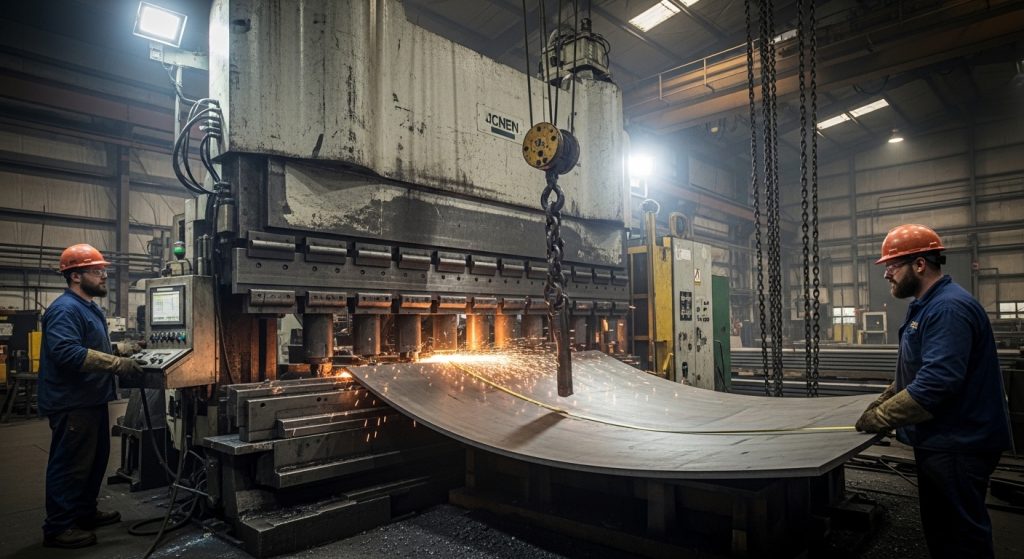
鋼板の曲げは高エネルギーの工程であり、板金加工とは根本的に異なります. 一方、シートベンディングは表面の美観と精度に重点を置いています, 板成形では、重い断面の巨大な貫通厚さ変形抵抗を克服するために、深い板成形応力貫通が必要です.
ヘビーデューティプレスブレーキを指定することは、単にトン数表で高い数字を選ぶだけではありません; 機械の構造構造を金属の物理的挙動に照らすことが求められます. もし機械がプレートのニュートラル軸シフト挙動を処理できない場合, その結果生じる高荷重形成の接触圧力は、必然的にフレーム疲労や壊滅的な金型の故障を引き起こします.
- プレート vs. シート: 板は厚さ全体にわたって完全な塑性変形が必要です, 表面だけではなかった.
- 構造的完全性: 機械のフレームは、中心から外れた荷重によるねじれを防ぐためにエネルギー経路を管理しなければなりません.
- スペックリスク: 過小指定は次のようになります "バナナ" 安全上の危険となる可能性のある曲がりやひび割れた金型.
- フォースマッチング: トン数は材料の降伏強度の違いを考慮した安全バッファを用いて計算しなければなりません.
鋼板作業において重装プレスブレーキが必須となる場合
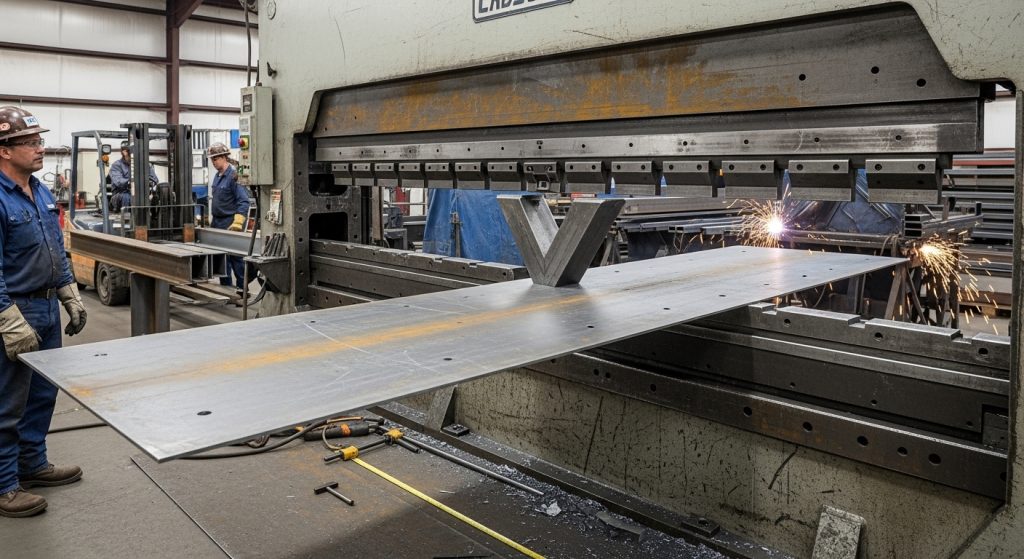
標準的な機械は、重い断面板形成の外層に押し込まれた際にしばしば故障します. 重装モデルは、材料の構造用グレードの降伏荷重抵抗が標準フレームの弾性限界を超える場合に必須です. こうした状況では, 板の端の応力集中帯は非常に強いため、標準部品は永久的に変形します.
- 造船と海洋: 巨大な船体プレートと内部隔壁の形成.
- インフラ: プレートの完全性が譲れない構造用ビームセグメントや橋梁部品の作成.
- 重機: 狭い空間内で動作する鉱山および建設機械用のシャーシ製造 厚断面変形ウィンドウ.
真の重厚な製造には、常に常に設計された機械が必要です, フレームの疲労寿命を数十年単位で計算する高負荷サイクル, 数千回のストロークではなく.
鋼板の厚さが重厚機のプレスブレーキ重量要件をどう決定するか
鋼板を曲げるために必要な力は厚さが増すにつれて指数関数的に増加します. ザ 断面厚さ力増幅器 つまり、板の厚さを倍にするにはトン数を2倍以上に必要とします. エンジニアは 荷重安全係数バッファ範囲 以下を説明するために "ワークハードニング" それは脳卒中中に起こります.
プレートフォースエスカレーション表 (S355鋼材のおおよその例)
| 板の厚さ (うん) | 推奨V字オープニング (うん) | トン数/メートル (T/m) | 力の勾配 |
| 12mm | 100mm | 85T | 基準 |
| 20mm | 160mm | 145T | 1.7倍の増加 |
| 30mm | 250mm | 210T | 2.5倍の増加 |
| 50mm | 400mm | 350T | 4.1倍の増加 |
推定の基本式は$F = frac です{k cdot S cdot L cdot t^2}{V}$, ここで$F$は力です, $tドルは厚さです, そして$Vドルはサイコロの開口点です. $tドルが増えるにつれて, ザ 力のエスカレーション勾配を形成する 機械選択の主要な要素となる.
真のヘビーデューティープレスブレーキと標準モデルを区別する機械アーキテクチャ
重厚機プレスブレーキは、 フレームロード経路剛性. 軽量モデルとは異なります, ベッドとラムはかなり深くなっています ベッドのたわみ補償形状. ザ 油圧シリンダーの荷重対称性 最大圧力下でも, 力はRAMガイドに均等に分散されています.
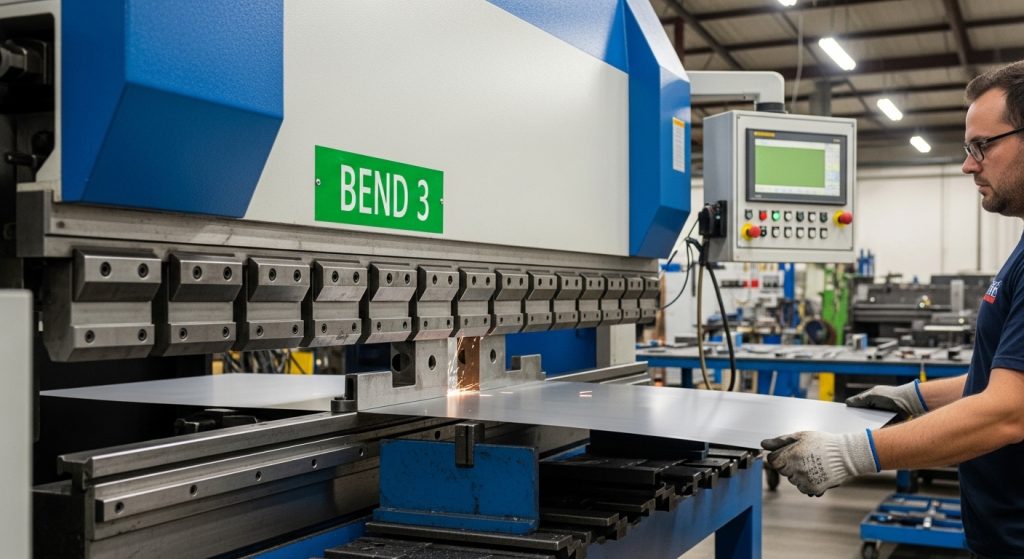
- フレーム剛性: オーバーサイズのサイドハウジングと深いスロートにより、大きなフランジを犠牲にせずに装着可能です RAM並列負荷制御.
- シリンダー設計: 24時間365日の工業用稼働サイクルを想定した重厚シールおよび高圧ピストン.
- ベッド補強: 大型のV型ダイの集中点荷重に対応するために溶接・応力軽減された巨大な鋼板.
- 統合クラウディング: 各ストロークの特定のトン数に反応し、直線の曲げ線を維持するアクティブシステム.
重厚用プレスブレーキの鋼板の金型工学
重板の金型は本質的です ダイ開口荷重分散. 狭すぎるダイを使うと、効果が増します 工具接触圧力耐久 標準工具鋼の限界を超える要件, 続いて 表面の取り乱し抵抗インターフェース 失敗.
| 素材の種類 | パンチ半径 | 開業 (V) | リスクレベル |
| マイルドスチール | 1ドル.0 times t$ | $8–10 times t$ | 低い |
| 高張力 (S700) | 3ドル.0 times t$ | $12 times t$ | メディア |
| 耐摩耗性 (AR450) | 5ドル.0 times t$ | $12–15 times t$ | 高い |
ザ パンチノーズ応力半径制御 は臨界的です; 重い皿に鋭いパンチを当てると、ナイフのように振る舞います, 曲がりではなく、材料に亀裂が入るのを始める.
なぜクラウニングシステムが重い板の曲げにおいて重要になるのか
ラムが押し下げるとき, ベッドとラムは自然に中央で曲がり、これが 床の弾性たわみ曲率. 訂正なし, プレートの中央は端よりも広い角度になります. A 動的クラウニング圧力変調 システムはこれをわずかに補正しています "お辞儀" ベッドは上へ.
これ 全幅曲げ補償制御 プレート作業においては、力が非常に大きいため手動シミングが不可能なため非常に重要です. それがなければ, ザ 角度変動勾配補正 ボトルネックになる, 高価で時間のかかる再作業や二次研削が必要となります.
多気筒同期と、重トン数以上で重要な理由
高トン数機関車において, RAMを水平に保つことは、 ラム傾き偏差抑制. プレートの片側がもう片方より少し硬い場合, 抵抗は不均一になるでしょう. A 同期シリンダー圧力調和 このシステムは高速バルブを使用して流量を瞬時にバランスさせます.
- 油圧流量バランス: ラムが中心から外れている負荷に関わらず、完全に垂直に動くことを保証します.
- 荷重ベクトル分布: ラムが "ツイスト" ガイドの中で.
- 安定性: シリンダーのわずかな偏差が板端で大きな誤差に繋がる大型プレートにおいて重要です.
規格未満のプレスブレーキで鋼板作業を行う場合の故障リスク
機械を本来の目標を超えて押し込むこと フレーム応力降伏超過 限界は 微細疲労亀裂核生成. これらの亀裂はしばしば見えないもので、最終的には 工具過負荷せん断破壊 またはひび割れた機械フレーム.
| 故障モード | 警告サイン | 工学的影響 |
| 工具破壊 | うるさい "パキッ" ピンという音 | 飛ぶ金属の破片 (安全上の危険). |
| フレーム疲労 | 恒久的なラム/ベッド変形 | 機械の精度の低下; 最終的なフレームスナップ. |
| プレートクラッキング | 曲げた表面の裂け目が目に見える | 板の破壊伝播; 廃車の高価値部品. |
常に95%の稼働率で稼働するのはリスクの高い戦略です; 産業のベストプラクティスでは、プレート作業は定格トン数の80%以内に収めることが推奨されています.
スペックチェックリスト: 鋼板用のヘビーデューティプレスブレーキの選定方法
購入を最終決定する前に, 確保 仕様準拠検証チェックリスト これらの工学の基礎をカバーしています:
- [ ] トン数要件: 最も難しい材料を考慮して計算された, 軟鋼だけではありません.
- [ ] ロードエンベロープ: この機械は大きなVダイや深いフランジに合う開閉高度を持っていますか??
- [ ] 工具互換性: 検証済み 工具互換性検証行列 あなたの特定のプレート厚について.
- [ ] 構造クラス: それは "ヘビーデュース" ビルドまたは標準フレームに大きめのシリンダーを組み合わせるか?
- [ ] クラウン方式: プレート荷重に適したアクティブ油圧または機械式ウェッジシステム.
- [ ] デューティサイクル: 生産に必要な1時間あたりの曲がり数に応じて評価されています.
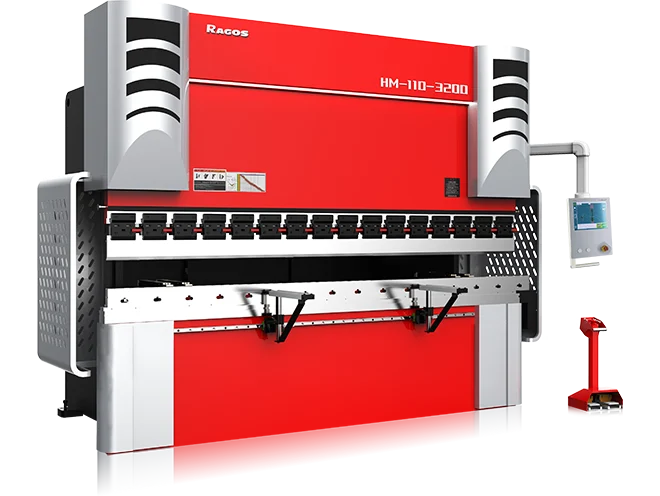
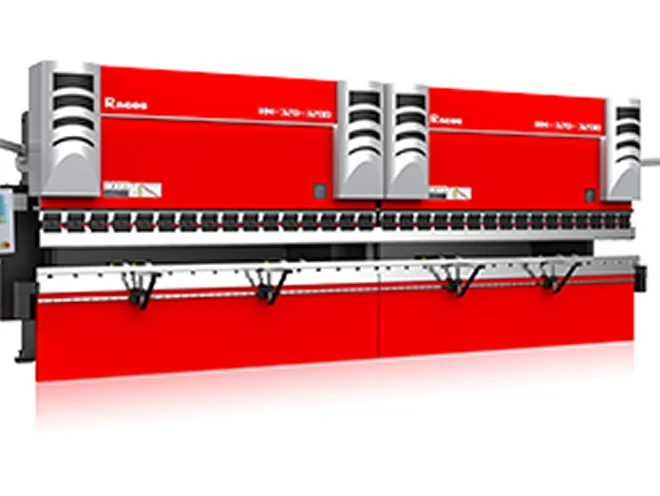
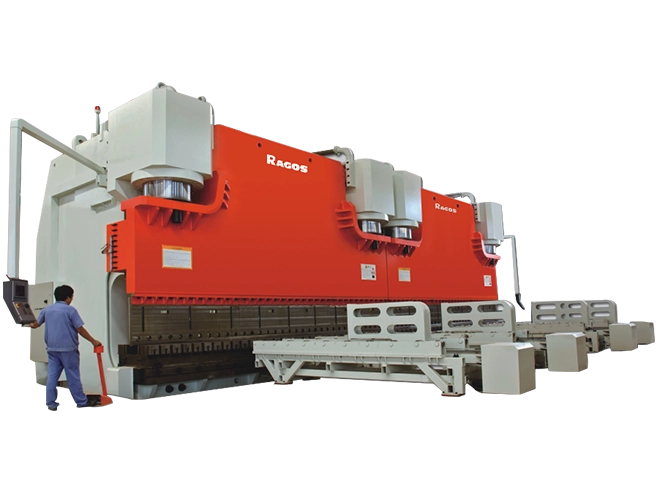
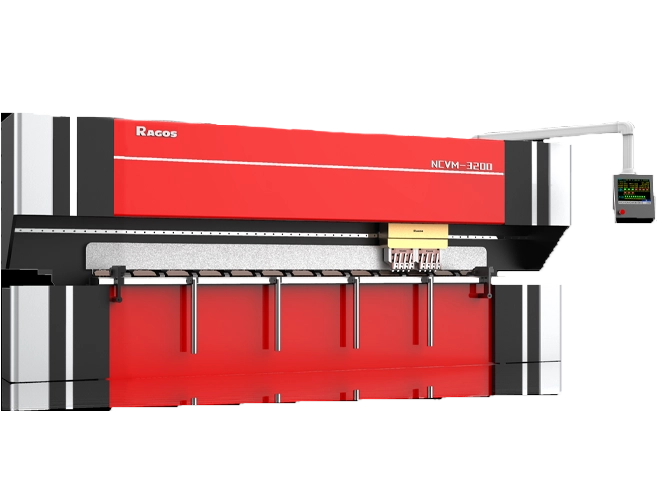
選択 ヘビーデューティープレスブレーキモデル 現在の製造の限界を理解することが求められます. 一方で 3200mmプレスブレーキ 一般的なプレート作業の標準であることが多いです。, 大規模なプロジェクトでは、しばしば 4000mmプレスブレーキ トン数を損なうことなく、長距離を扱うこと. 利用 プレスブレーキ容量チャート 計画の第一歩です, しかし、その方法も考慮しなければなりません ダイの開封によるトン数の変化; より大きなVダイは必要な力を減らせますが、フランジの最小長を増加させます.