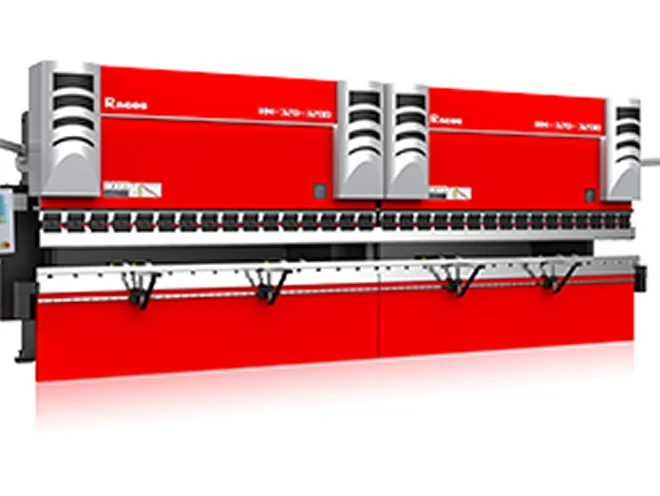
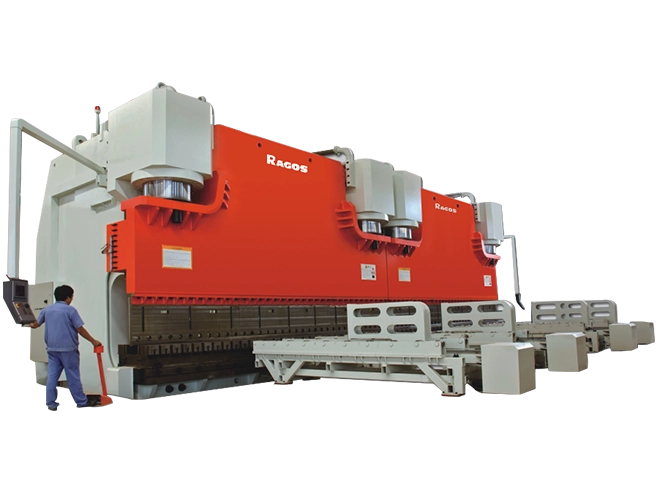
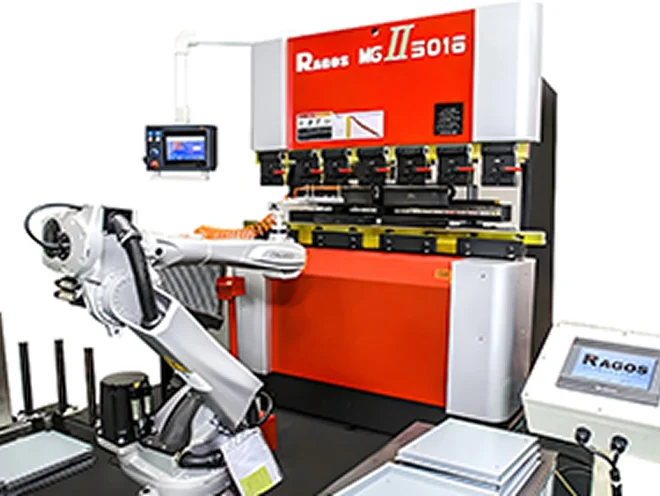

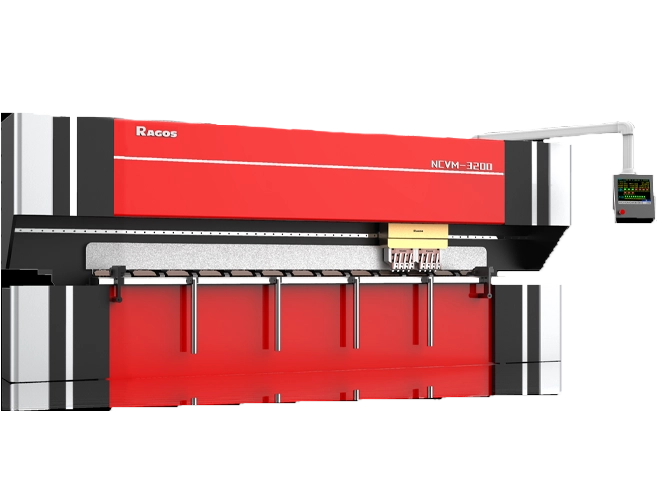


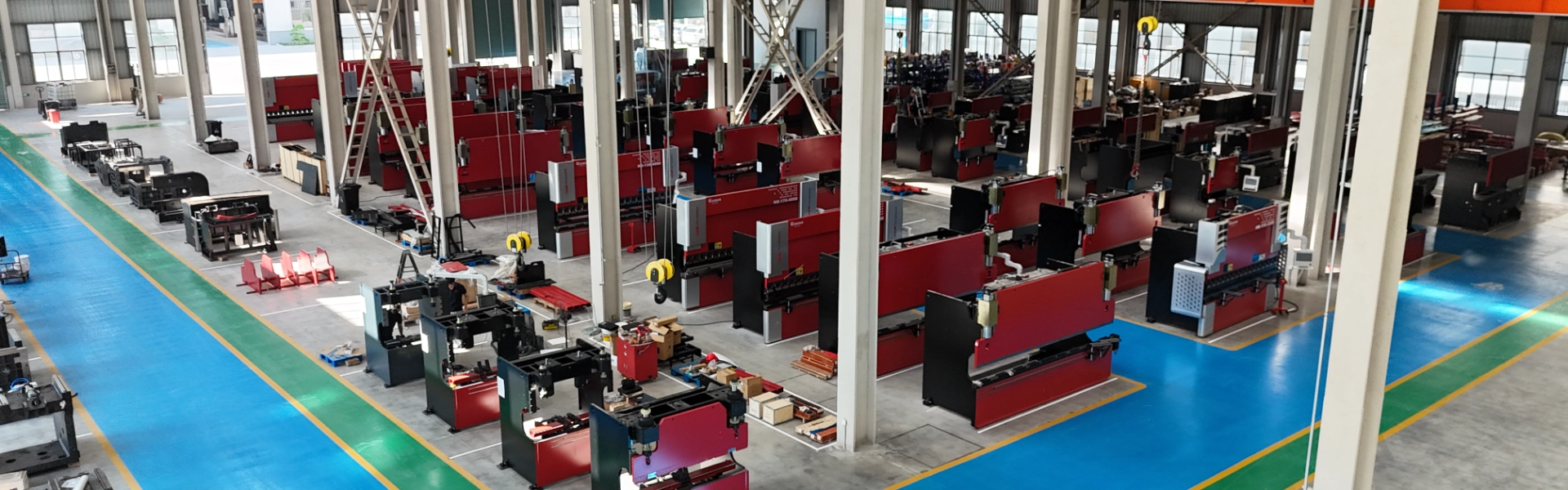
ヨーロッパ型プレスブレーキ型金型機械: スペック, 互換性 & バイヤーガイド
ヨーロッパ型プレスブレーキ型金型機械は、13mmタングのヨーロピアンプレシジョン標準を使用しており、これはヨーロッパの製造工場で最も広く採用されているプレスブレーキ型システムです. ほとんどの購入者はすでにその工具名を知っています. 彼らに必要なのは、新しいプレスブレーキが既存のヨーロッパの金型在庫を真に受け入れていることを、試運転日前に確認する機械側の互換性チェックリストです.
金属加工機械市場は2025年に2,981.9億ドルに達しました, 年平均成長率6.9%です, また、ヨーロッパの購入者はWilaよりもはるかに低コストで代替メーカーからCNCプレスブレーキを調達する傾向が強まっています, バイストロニック, またはTrumpf OEM. ヨーロッパ型機械に対応するRAGOSの金型オプションの全貌, 私たちのサイトをご覧ください。プレスブレーキ工具ページ.
このガイドでは、European Precisionの寸法規格を扱っています, 3系比較表, 5ポイントのマシン側互換性チェックリスト, クイックチェンジシステム選択, そしてヨーロッパの金型購入者向けのRAGOS機械構成.
ヨーロッパ型プレスブレーキ型金型機械とは何か?
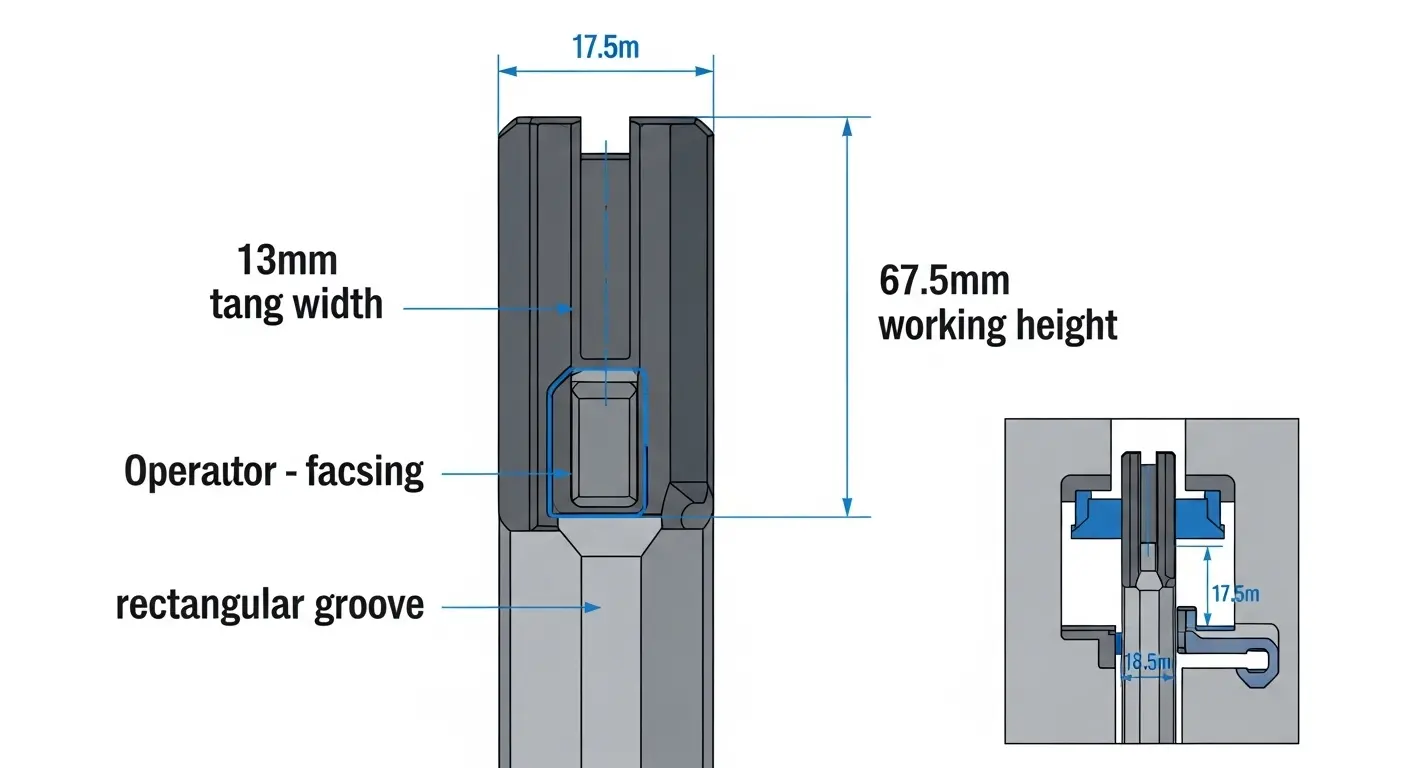
ヨーロッパ型プレスブレーキ型金型機械は、パンチホルダーとダイレールが欧州精密基準に合わせて構成されているCNCプレスブレーキのことです。13mm幅のタンに長方形のクランプ溝があり、工具長に沿った力のオフセット配分があります.
標準は4つの仕様で定義されています:
- 13mmパンチタン幅 — 一次適合次元; プレスブレーキラム内のレシーバーは、この正確な幅に加工されています
- 長方形溝, オペレーター側 — 溝がホルダーのクランプ機構に噛み合う, 荷重下での安全なロック提供
- オフセット力の適用 — 曲げ力は先端に集中するのではなく、工具全長にわたって分散します, 長いプロファイルにおける局所的たわみの低減
- 標準作業高さ: 67.5mm (2.66") または89.7mm (3.53") — 機械のラムストローククリアランス要件を決定する2つの固定高さ規格
"ヨーロッパ型," "ヨーロピアン・プレシジョン," および "進め" 業界全体で同義で使われています. Promecamシステムはフランスの元々の標準であり、ヨーロッパの業界デフォルトとなりました。このレシーバー仕様で製造されたすべてのプレスブレーキは、すべての対応サプライヤーの金型を受け入れています.
ヨーロッパの精密 vs. ウィラ/トランプフ vs. アメリカンスタイル — 主な違い
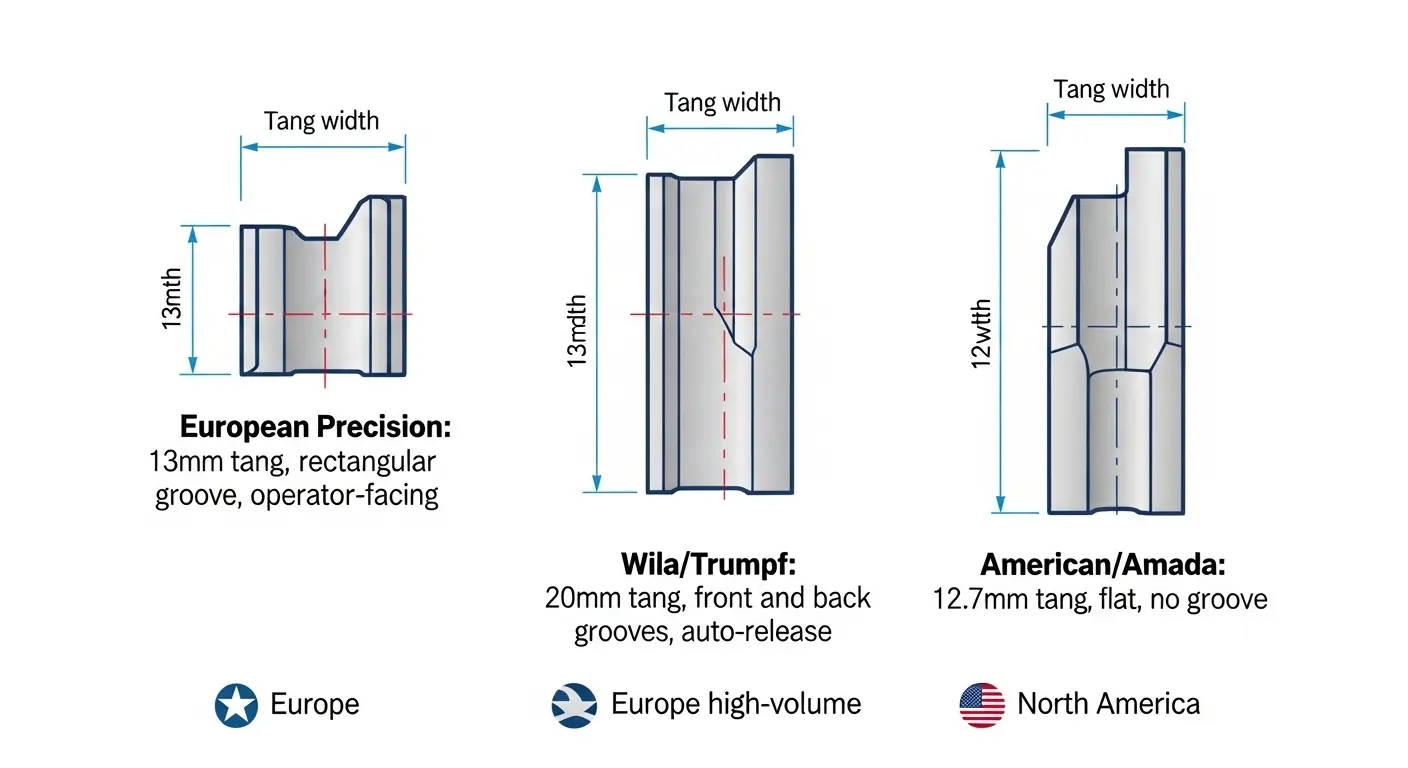
世界的には3つのプレスブレーキ金型システムが使用されています: ヨーロピアン・プレシジョン (13mmタング), ウィラ/トランプ (20mmタン), そしてアメリカン/アマダスタイル (12.7mmタング). この3つのシステムは互換性がありません. それぞれに特定の機械レシーバーとホルダーの構成が必要です。13mmのヨーロピアンプレシジョンパンチは20mmのWila/Trumpfホルダーには合わず、その逆も同様です.
| 特徴 | ヨーロピアン・プレシジョン | ウィラ/トランプ | アメリカ (アマダ) |
|---|---|---|---|
| タン幅 | 13mm | 20mm | 12.7mm (00.5インチ) |
| 溝タイプ | 長方形, オペレーター向き | 前後溝 | グルーヴなし, フラットタング |
| 力の適用 | オフセット — 分布 | オフセット — 油圧/空気圧式 | 直接, 線形 |
| クイックチェンジシステム | 機械式または手動クランプ | 油圧/空気圧式オートマチック | 手動クランプ |
| セットアップ速度 | 中速から速い | 最速 | 遅い |
| 市場支配 | ヨーロッパ | ヨーロッパ (大量生産店) | 北アメリカ |
| 工具コスト | 適度 | 高く | 下 |
| 精度クラス | ±0.01mm | ±0.005mm | ±0.025mm |
ヨーロピアン・プレシジョンとウィラ/トランプフはどちらも "ヨーロッパ型" システム. とはいえ, これらは異なるタング幅やホルダータイプを持つ別々のサブシステムです. 購入者は、自社の機械がどのヨーロッパのサブシステムを使用しているかを、金型を購入する前に確認する必要があります. 20mmのWila/Trumpfホルダーに13mmヨーロッパ精密金型を注文することは、最も一般的で高額な互換性エラーです.
マシン側の互換性チェックリスト — 購入前に確認すべき5つのポイント
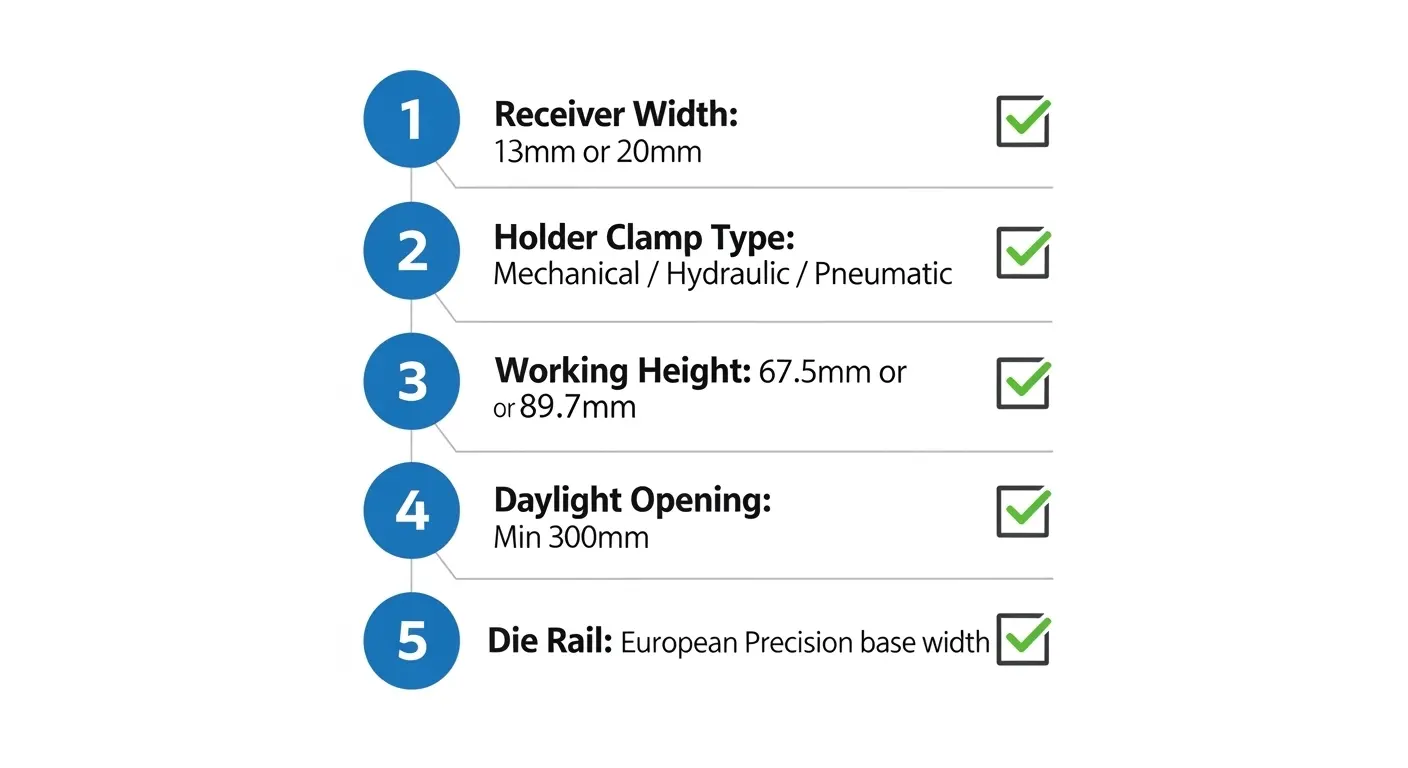
ヨーロッパ型対応とされるプレスブレーキを購入する前に, これら5つの機械側仕様を技術データシートと照合して検証してください. 以下の各ポイントは実際の機械寸法や機械的要求に対応しており、マーケティングの説明ではありません.
1. レシーバー/ホルダー幅: ヨーロピアン・プレシジョンは13mm、ウィラ/トランプは20mmです
機械のパンチシートがあなたの工具サブシステムに合っているか確認してください. 13mmのヨーロピアンプレシジョンパンチは20mmのWila/Trumpfレシーバーに装着できず、その逆も同様です. 受信機の図面を頼んでください, 単なるラベルだけではありません "ヨーロッパ型。"
2. ホルダークランプタイプ: メカニカル, 水力の, または空気圧式
ヨーロピアン・プレシジョンでは、通常、機械式レバーや手動クランプを使用します. ウィラ/トランプフは油圧式または空気式の自動リリースを使用しています. あなたの工具システムがどれを必要としているかを確認してください. 機械式ホルダーはWila/Trumpfの金型を正しく自動リリースしません, たとえタンが合っても.
3. 作業高度クリアランス: 67.5mmまたは89.7mm
機械のラムストロークと工具クランプの位置は、工具スタックの標準的な作業高さに対応しなければなりません. これは試運転時に最も見落とされがちな適合性チェックです. 作業用の高さとタング幅を必ず確認してください — 後付けにしないでください.
4. 日光開業: 最低300mm
日光の開き (ラム面とダイ表の距離) パンチ高さに加え、材料厚とダイの高さを考慮しなければならない. 標準的な欧州精密金型スタック用, 実用的な最低値が300mmです. 機械の昼間性能をミリ単位で要求してください.
5. レール: フラット, 自己中心化, または調整可能な
ヨーロッパのプレシジョンダイスは標準化されたベース幅を使用しています. ダイレールがアダプターブロックなしでこのベース寸法を受け入れているか確認してください. 非標準のダイレールは、セットアップの複雑さやアライメント誤差の可能性を高めるスペーサーを必要とします.
ドイツの工場にヨーロッパ対応のCNCプレスブレーキを供給した経験から, オランダ, そしてイギリス, 作業高さの不一致は最も一般的な試運転問題で、タング幅ではありません. 買い手はタンを確認し、残りを前提にします. 発送を承認する前に、このチェックリストの3番目と4番目を必ず確認してください.
なぜタング幅よりも作業用の高さが重要なのか
タング幅は金型の適合の入り要件です. 作業高さは、全工具スタックがラムストロークを正しくクリアできるかどうかを決定します. 13mmのタングは正しいレシーバーに収まりますが、パンチ本体の高さが機械の日光開口部(素材とダイの高さを差し引いたもの)を超えると問題になります, ラムは曲げストロークを完了できません. タング仕様と並べて、機械の最小および最大日照開口を必ず要求してください. RAGOSは、出荷前にすべての注文でヨーロッパの金型構成の作業高度クリアランスを確認しています.
ヨーロッパ型プレスブレーキ金型 — 寸法基準
European Precision Toolingは、すべての互換性のあるサプライヤーで一貫した寸法基準に従っています. 以下の表は、ヨーロッパの両サブシステムの技術的参考を示しています.
| 仕様 | ヨーロピアン・プレシジョン (13mm) | ウィラ/トランプ (20mm) |
|---|---|---|
| タン幅 | 13mm | 20mm |
| タングルーヴ | 長方形, オペレーター向き | 前後溝 |
| 標準作業高さ | 67.5mm (2.66") または89.7mm (3.53") | ホルダーシステムによって異なります |
| ダイベース幅 | 標準化 — ブランド間で互換性があります | Wila/Trumpf仕様による独自仕様 |
| 精度クラス | ±0.01mm | ±0.005mm |
| 力の適用 | オフセット — 工具長に分布 | オフセット — 油圧/空気圧式 |
| 最も適している | 標準的なCNC生産, HVAC, エンクロージャ, 自動車 | 高精度航空宇宙, 電子機器, 医療 |
ヨーロピアン・プレシジョン・ツールリング at ±0.0標準的な製造プロファイル(自動車用ブラケット)でのCNC生産曲げには1mmの公差が適しています, HVACパネル, 電気的な囲い, 構造断面. ウィラ/トランプフが±0.00航空宇宙向けには5mmが指定されています, 医療機器, 精密電子工学では、すべての曲がり角公差が重要な. 新しい機械と一緒にヨーロッパ型の工具キットが必要な工場へ, 訪問RAGOSプレスブレーキキットページ.
ヨーロッパ型プレスブレーキ金型のクイックチェンジシステム
クイックチェンジ金型はセットアップ時間を最大50%短縮します. 高混合生産時の手動クランプシステム. ヨーロッパ型型工具用, 3つの迅速な変更方式があり、それぞれ異なる生産頻度や予算に適しています.
3つのクイックチェンジオプション
機械式レバークランプ
ほとんどのヨーロッパのプレシジョン対応プレスブレーキで標準装備. 追加の油圧や空気圧インフラを必要としない迅速な手動リリース. 中程度の切り替え頻度を持つ工場に適しており、通常は1シフトあたり3〜10台のセットアップがあります. これは代替メーカーの新しいヨーロッパ型プレスブレーキで最も一般的な構成です.
油圧クイックチェンジ
Wila/Trumpfシステムにネイティブ. 機械の油圧回路によって制御されるほぼ自動的な工具リリース. シフトごとに10台以上のセットアップがある工場に最適です. 機械のコストは高い, しかし、高混合事業での労働コスト削減は6〜12ヶ月以内にプレミアムを回復します.
空気圧クイックチェンジ (アフターマーケット)
一部の欧州プレシジョン互換機種ではアップグレードとして利用可能です. 機械よりも速い, フル油圧よりも低コスト. 機械式クランプが手狭になったが、完全なWila/Trumpfシステムに対応できない工場に適しています. 機械に圧縮空気供給が必要です.
ヨーロッパのショップ購入者からのフィードバックに基づく, 1シフトあたり5回以上のジョブチェンジを行う工場は、設置作業の削減だけで6〜12ヶ月以内に油圧または空気式クイックチェンジアップグレードのコストを回収できます. RAGOSの油圧式CNCプレスブレーキオプションは、ヨーロッパの金型に対応しています, 私たちのサイトをご覧ください。最高のCNC油圧プレスブレーキページ.
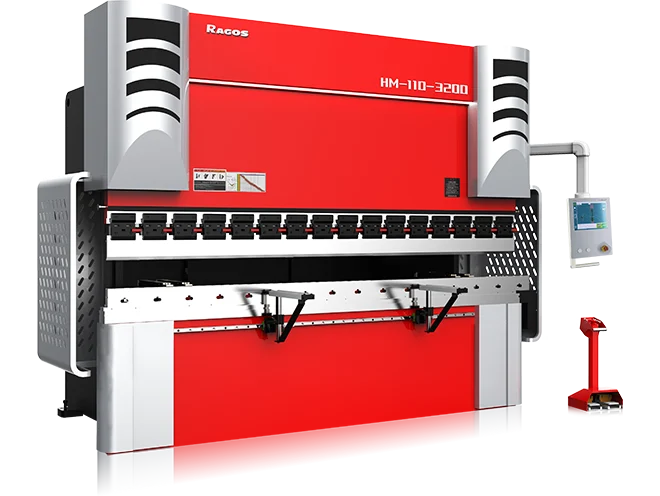
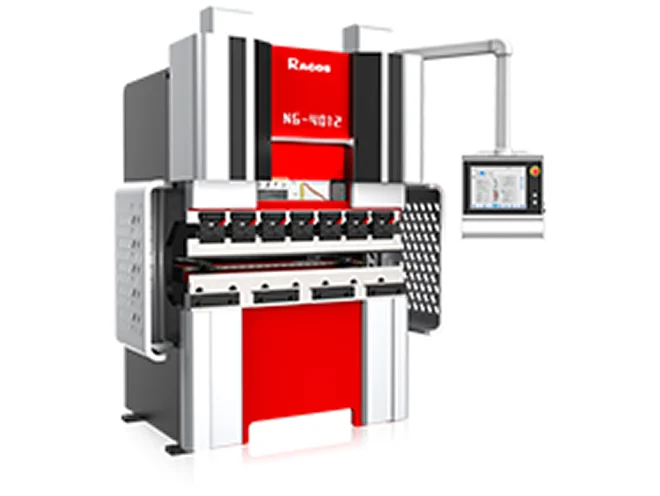
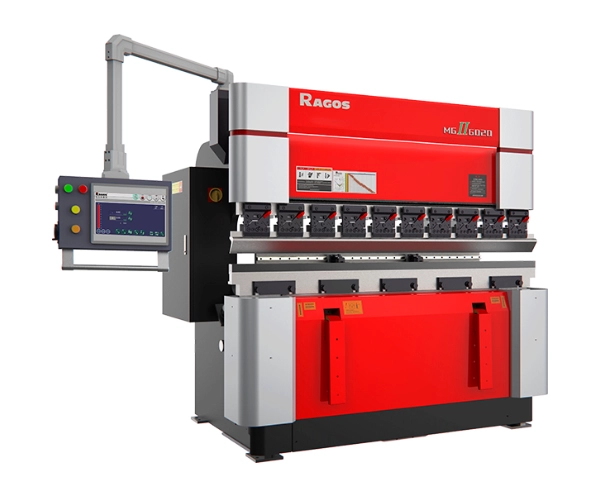
RAGOSヨーロッパ型式工具用CNCプレスブレーキ
RAGOSのCNCプレスブレーキは、ヨーロッパ型の金型構成、いずれもヨーロッパ精密型で入手可能です (13mmタング) そしてWila/Trumpf互換 (20mmタン) 受信機セットアップ — ヨーロッパのOEMメーカーが使用する寸法標準に合わせて製造.
すべてのヨーロッパ型注文で機械側の仕様が確認されています
すべてのRAGOSヨーロッパ型構成には、5つの機械側仕様が発送前に確認されます:
- 受信機幅: 13mm (ヨーロピアン・プレシジョン) または20mm (ウィラ/トランプ) — 抽選で確認
- ホルダークランプ: 機械式レバー (標準) または油圧/空気圧式 (要望に応じて)
- 作業高度クリアランス: 67.5mmおよび89.7mmスタックはRAMストローク計算で確認
- 日光開業: 標準構成では最低350mmです
- レール: 欧州精密(European Precision)は標準として標準化されたベース幅を標準化しています
すべてのRAGOS機械はCE適合宣言とISO 9001認証を搭載しています. ヨーロッパの購入者向け, 専用のサプライチェーンオプションはEU貨物をカバーしています, 税関書類, およびCE準拠. ヨーロッパの購入者向け, 訪問RAGOSヨーロッパプレスブレーキサプライヤーページ. ヨーロッパ以外の国際的な購入者向けに、ヨーロッパ型の工具互換性を求める場合, 私たちのサイトをご覧ください。国際的なCNCプレスブレーキサプライヤーのページ.
あなたの工具のサブシステムを教えてください (13mmヨーロピアンプレシジョンまたは20mm Wila/Trumpf弾), 必要トン数, ベッドの長さ, および作業高さ. マシン側の互換性を確認し、24時間以内に完全な仕様書をお送りします.
よくある質問
Q1: ヨーロッパ型プレスブレーキ型金型機械とは何か?
ヨーロッパ型プレスブレーキ金型機械は、欧州精密基準に合わせて構成されたCNCプレスブレーキであり、幅13mmのパンチタンと長方形のクランプ溝を備えています, オフセット力の分布, 標準作業高さは67.5mmまたは89.7mmです. これはヨーロッパの製造工場で支配的なプレスブレーキ金型システムです. パンチホルダーとダイレールは、すべての欧州精密互換サプライヤーの13mmタン金型を受け入れるよう設計されています, ウィルソンツールも含まれます, メイト・プレシジョン, 膝のチェンジ, そしてケテック. 互換性のある工具オプションについて, 訪問RAGOSプレスブレーキ工具ページ.
Q2: ヨーロピアン・プレシジョンとウィラ・トランプのプレスブレーキ金型の違いは何ですか?
ヨーロピアン・プレシジョン・トゥーリングは、操作者側に長方形の溝を持つ幅13mmのタンと、機械式または手動のクランプホルダーを使用しています. Wila/Trumpfの金型は、前後に溝のある幅20mmのタンを使用しています, 油圧式または空気式の自動リリースホルダーと組み合わせた場合. 両システムは互換性がなく、13mmヨーロピアンプレシジョンパンチは20mmのWila/Trumpfホルダーには合いません. ヨーロピアンプレシジョンは標準的なCNC生産に適しており、中程度の切り替え周波数で対応しています. ウィラ/トランプフは大量生産用に指定されています, ほぼ自動的な工具交換を必要とする高混合工場. ヨーロッパ対応RAGOSプレスブレーキオプションについて, 訪問ヨーロッパプレスブレーキサプライヤーページ.
Q3: 13mmタンプレスブレーキとは何か?
13mmタンプレスブレーキは、パンチホルダーがヨーロッパ精密標準(European Precision)規格に対応するように加工されたプレスブレーキのことです。パンチは幅13mmで、操作者側側に長方形のクランプ溝があります. これは最も一般的なヨーロッパ式プレスブレーキの構成です. 13mmのタングはレシーバーに噛み合い、ホルダーのクランプ機構の下でロックされます, CNC曲げ作業中の安全な工具位置取りを提供します. ヨーロッパ型構成のすべてのRAGOSプレスブレーキは、標準で13mmレシーバーを使用します. カスタム構成の場合, 訪問RAGOSカスタムプレスブレーキマシンサプライヤーページ.
Q4: ヨーロッパのプレスブレーキ工具におけるオフセットフォース設計とは何か?
オフセット力の設計とは、曲げ力が先端に直接集中するのではなく、工具の全長にわたって分散することを意味します, アメリカ式の金型のことです. これにより局所的なたわみが減少し、特に500mmを超えるプロファイルで全長にわたる角度の一貫性が向上します. ヨーロピアン・プレシジョンおよびウィラ/トランプフのシステムもオフセット力の適用を用いています, そのため、長く複雑なプロファイルで、ベッド全長にわたる角度の一貫性が重要な場合に好まれる選択肢となっています. RAGOSのCNCプレスブレーキ全シリーズについて, 訪問板金製CNCプレスブレーキ販売ページ.
Q5: Promecamの金型標準とは何ですか??
プロメカムは、13mmタン金型設計がヨーロッパ業界のデフォルトとなり、現在では欧州プレシジョン標準と呼ばれる、元祖のフレンチプレスブレーキメーカーです. 今日, "Promecam標準," "ヨーロピアン・プレシジョン," および "ヨーロッパ様式" すべては長方形溝を持つ13mmタングを指しています. Promecam/European Precisionレシーバー仕様で製造されたプレスブレーキは、互換性のあるすべてのサプライヤーからの金型を修正なしで受け入れます. RAGOS用プレスブレーキキットにはヨーロッパ型対応の工具が搭載されています, 訪問RAGOSプレスブレーキキットページ.
ヨーロッパの工具の決定は何に尽きるか
ヨーロッパ型プレスブレーキ型金型機械の決定を定義する三つの事実があります. まずは: ヨーロピアン・プレシジョン (13mm) そしてヴィラ/トランプフ (20mm) 両方ともヨーロッパのシステムですが、互換性はありません. 機械を指定する前に、既存の工具で使われているサブシステムを確認してください. 秒: 機械側のチェックリストは、工具側の仕様(レシーバー幅)と同じくらい重要です, ホルダータイプ, 作業高度, 日光の開口, そしてダイレールのベース幅はすべて購入承認前に確認されなければなりません. 三番目: RAGOSのCNCプレスブレーキは、ヨーロッパ仕様で13mmと20mmの両方で提供されています, CE認証, 出荷前にすべてのユニットで作業高度クリアランスが確認されている状態で、ヨーロッパの購入者向けに準備が整っています.