
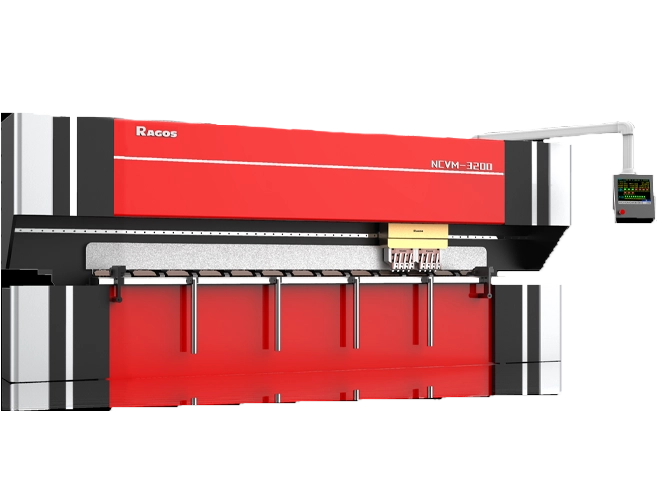


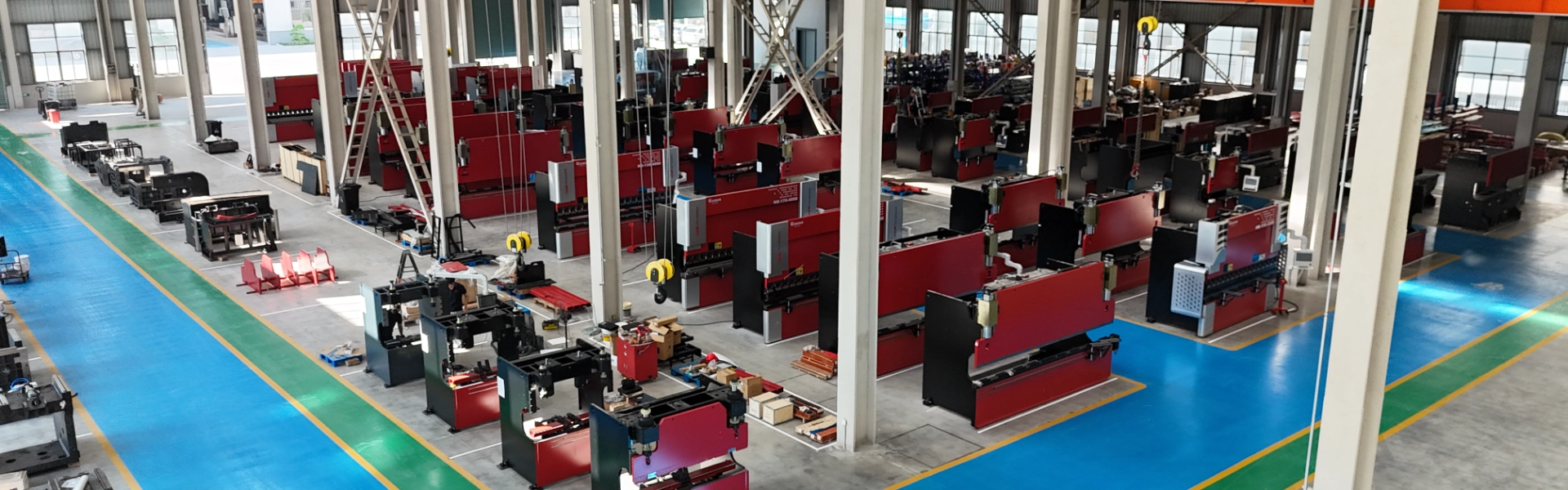
自動車用板金曲げ機: 自動車部品製造のための完全な購入ガイド
自動車製造は厳密な公差で行われます. ひとつの自動車用板金曲げ機 ボディパネルを形成しなければなりません, 構造ブラケット, そしてシャーシの補強材は、正確な角度を一貫して行っています, 生産速度で, ドリフトのない何千サイクルにもわたり. 間違った機械がスクラップを生み出します, リワーク, そして高額な生産遅延.
このガイドでは機械の種類を詳しく解説しています, 料, スペック, そして、自動車の板金作業で正しい判断を下すために必要な選択ステップ.
自動車用板金曲げ機とは何か?
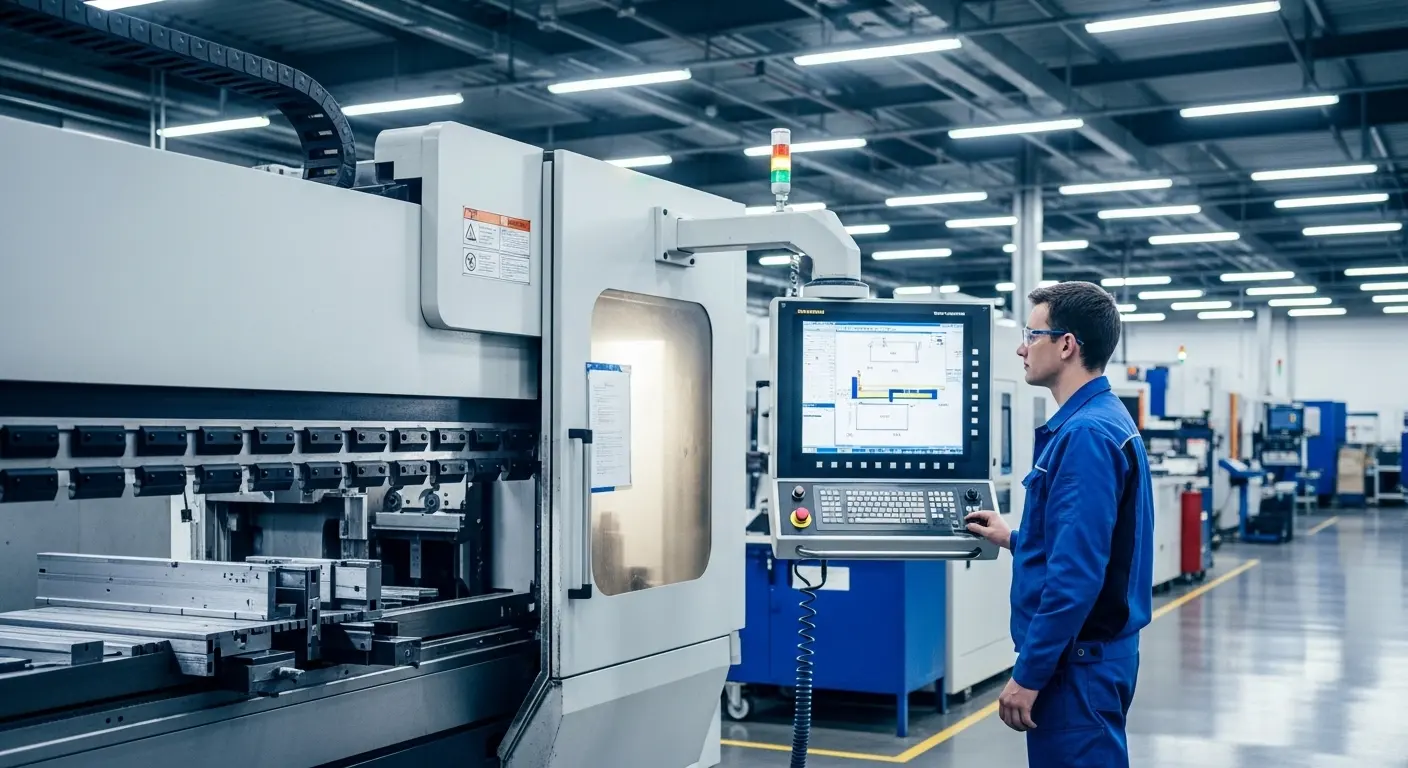
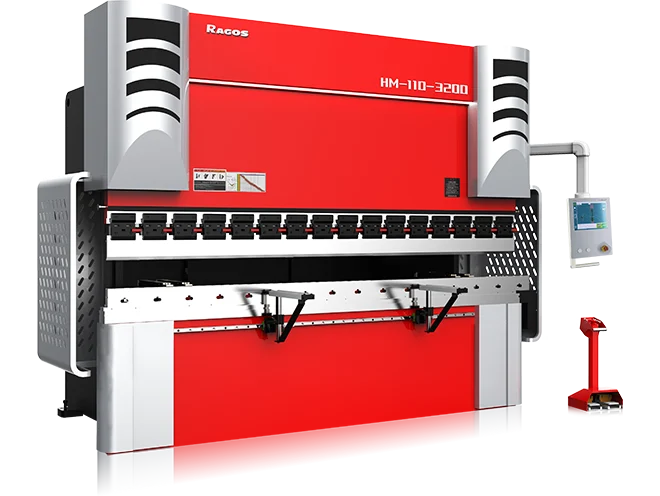
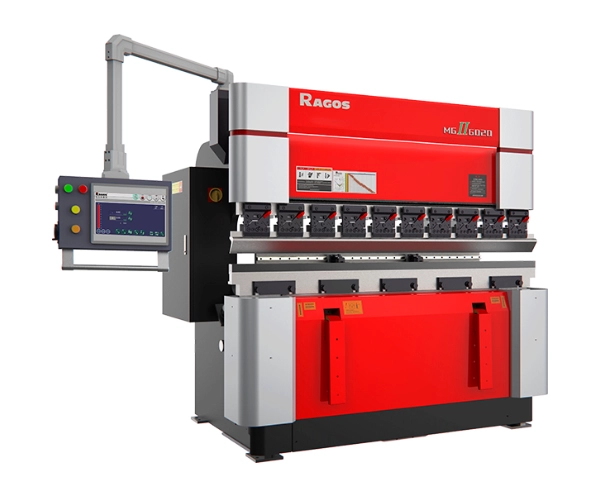
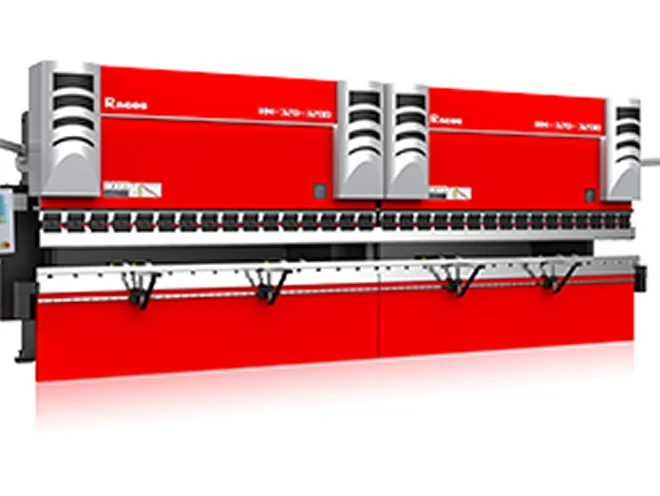
ひとつの自動車用板金曲げ機 プレスブレーキやパネルベンダーは、平らな金属板を正確な角度や曲線の形状に成形するために設計されたもので、車両製造で使われます. パンチとダイを使った制御された力を加え、指定された角度に曲げるためのもの, 半径, および幾何学.
自動車生産において, これらの機械は、0.8mmの薄いアルミボディパネルから6mm以上の重い構造用スチールブラケットまで対応可能です. 機械はこれを正確かつ繰り返し行う必要があり、通常は曲げ角で±0.3°以上、バックゲージの位置で±0.1mmの公差を保持します.
自動車の文脈で主に使われる2つのタイプは以下の通りです:
- CNCプレスブレーキ — ヴァリバーサル, ブラケットに適したプログラム可能な機械, 増援部隊, フレーム, 複雑な多曲げ部品
- パネルベンダー — 高速用に設計された自動機械, ドアスキンやルーフパネルなどの大型パネル生産
どちらも自動車生産に従事しています. 最適な選択は部品のジオメトリによって異なります, 音量, そしてマテリアルミックス — 本ガイドで詳しく解説しています.
板金曲げで作られた主要な自動車部品
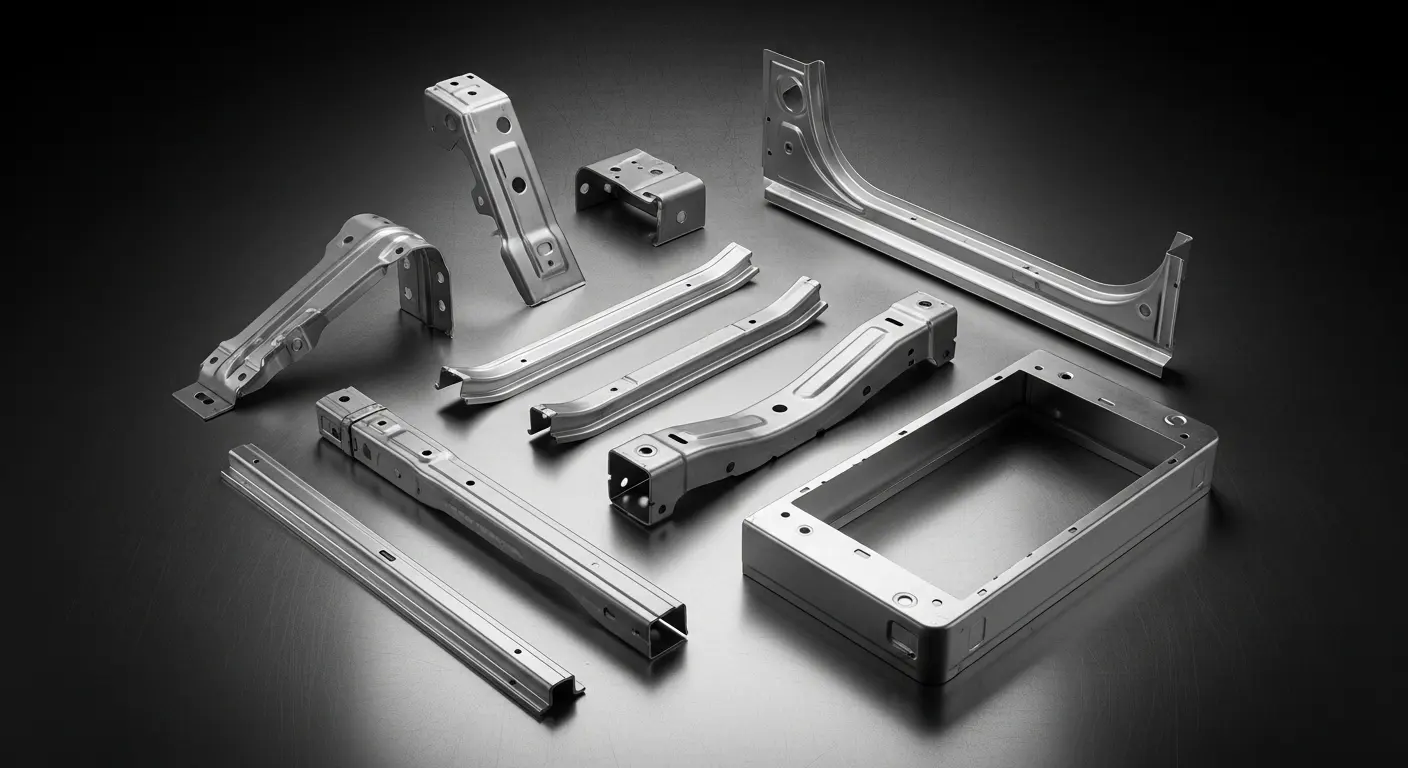
部品の範囲は自動車用板金曲げ機 生産は多くの顧客が思うよりも広範です.
ボディパネル — ドア, フード, フェンダー, および屋根パネル. これらは、正しいパネルフィットと溶接ギャップのために、高い表面品質の仕上げと正確なフランジ角度を必要とします.
構造ブラケット — エンジンマウント, シートブラケット, 床の補強, およびファイアウォールサポート. これらの部品は高精度な角度精度が必要で、しばしば先進高強度鋼を使用しています (AHSS), これにより、トン数やスプリングバック補正に大きな負担がかかります.
シャーシおよびフレームコンポーネント — クロスメンバー, サブフレーム括弧, および縦断面. 厚い素材や長い曲げ線には、クラウン補償付きの大トン数機械が必要です.
バッテリー筐体とトレイ — 電気自動車生産においてますます一般的になっている. これらの部品はアルミニウムシートを使用し、ひび割れや表面損傷がない状態できれいな曲がり半径が必要です.
排気およびHVACブラケット — 複数のタイトな曲げと厳密な公差を持つステンレス鋼部品.
要するに, 自動車製造はほぼすべての材料の組み合わせに及びます, 厚さ, そして複雑さ――だからこそ機械選択が非常に重要だ.
自動車用板金: 材料とそれに求められるもの
工場で最もよく曲げる材料は、あらゆる仕様決定を左右します。自動車用板金曲げ機. 自動車グレードはすべて同じではありません, そしてそれぞれがパンチに対して異なる挙動を示します.
マイルドスチール (DC01, DC04) — 基準. 予測可能な跳ね返し, 中程度のトン数要件, ほとんどのCNCプレスブレーキでうまく機能します. 引張強度は通常270〜410 MPa.
先進高強度鋼 (AHSS, DP, TRIPグレード) — 構造部品および安全上重要な部品に使用されます. 引張強度は1を超えることがあります,000 MPa. スプリングバックは攻撃的で不安定です — あなたの機械にはスプリングバック補償データベースやリアルタイム角度フィードバックを備えたCNCコントローラーが必要です. 同じ厚さの軟鋼よりも、要求量のトン数はかなり高いです.
アルミニウム (5xxxおよび6xxxシリーズ) — ボディパネルに使用, EVバッテリートレイ, および軽量構造部品. アルミニウムは柔らかいですが、狭い半径では表面の痕やひび割れが起こりやすいです. に対してアルミニウムの曲げ設定と正しい半径選択 材料等級に基づく, 本番環境を稼働させる前に、具体的なセットアップ知識が不可欠です.
亜鉛メッキおよび予備コーティング鋼 — 外装パネルに共通する. 亜鉛コーティングは工具の圧力や鋭い金型の刃に敏感です. 柔らかい金型半径と適切なダイショルダー半径の選択により、コーティング損傷を防ぎます.
工場で扱う材料の混合量が最低トン数を決定します, コントローラーの洗練度, そして、あなたの工具への投資自動車用板金曲げ機 必要条件.
プレスブレーキとパネルベンダーの比較: どちらが自動車関連の仕事により適しているか?
両タイプの機械は自動車生産において明確な役割を果たします. 問題は、あなたの特定の部品タイプや容量に合うものがどれかです.
| 特徴 | CNCプレスブレーキ | パネルベンダー |
|---|---|---|
| ベストパーツタイプ | 括弧, フレーム, 複雑な多曲げ部品 | 大きなフラットパネル, 皮膚ごとに, エンクロージャ |
| 素材の幅 | 00.5mmから25mmまで | 通常は0.5mmから3mmです。 |
| 曲げ速度 | 中速から速い | とても速い (自動) |
| 部品形状 | 非常に柔軟です | パネル形状に最適化されています |
| オートメーション | 随意 (ロボット搭載) | 内蔵 (吸盤, サーボフィード) |
| オペレーター入力 | 複雑な仕事に必須 | 最小限で、ほとんど監督付きで |
| 費用 | 低音域から中音域 | 高い (自動化内蔵) |
ほとんどの自動車ジョブショップやTier-2サプライヤーにとって, aCNCプレスブレーキ曲げ機 複数の部品ファミリーを一台の機械で柔軟に扱う柔軟性を提供し、仕事の構成が頻繁に変わる際に不可欠です.
大量生産のパネル用, 献身的な吸引カップ付きパネルベンダー CNCフィーディング オペレーターをサイクルから外し、シフトあたりの出力を劇的に増加させます.
自動車用板金曲げ機で注目すべきポイント
自動車製造の公差は一般的な製造よりも厳格です. 評価する際に自動車用板金曲げ機, これらが最も重要な仕様です.
安全マージンのあるトン数 — 最も厚いAHSS材料に基づいて最大必要な力を計算してください, その後、20〜30%の容量マージンを加えます. 小型機械は摩耗が速くなり、負荷時の曲がりも不均一になります. ある鉄鋼生産用の100トンCNCプレスブレーキ は自動車用ブラケット作業の一般的な入り口です.
軸数は最低4つ, 複素部品の場合は6 — 4軸機械 (Y1, Y2, X, R) ほとんどのブラケットとフレームワークを扱います. フランジ幅が可変またはゲージの位置が後退する部品は、指の位置を自動化するためにZ1/Z2軸制御が必要です.
スプリングバック補償を備えたCNCコントローラ — AHSSの勾配はリアルタイムの角度補正またはスプリングバックデータベースの保存が必要です. Delem DA66SやDA69Sのようなコントローラーは、プログラムされたマテリアルプロファイルでこれをうまく処理します.
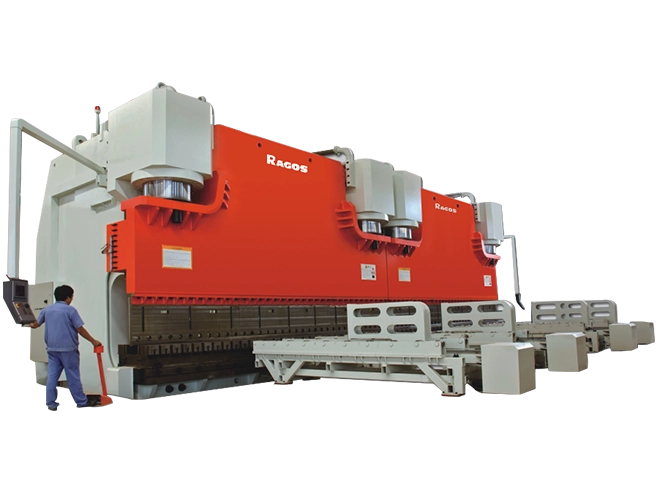
クラウニング補償 — 2メートルを超える自動車構造プロファイルを扱う機械用, 油圧または機械的なクラウンディングは、曲げの中心が端よりも広く開くのを防ぎます. 大型プロファイル構造作業用, スペックをご覧ください600Tから3000Tの範囲の油圧プレスブレーキ.
±0の再現性.01mm以上 — 自動車の組立ラインでは、バッチごとに異なる部品に対しては容認がありません. Y軸に線形エンコーダを持つ機械はこの一貫性を提供します.
曲げと進入速度 — 高速アプローチ速度は大量ランでのサイクルタイムを短縮します. 自動車用ブラケット生産において、1シフトあたり300回のカーブを行っています, 1サイクルあたり1〜2秒の節約でも実際の出力ゲインにつながります.
自動車曲げにおける自動化とロボット統合
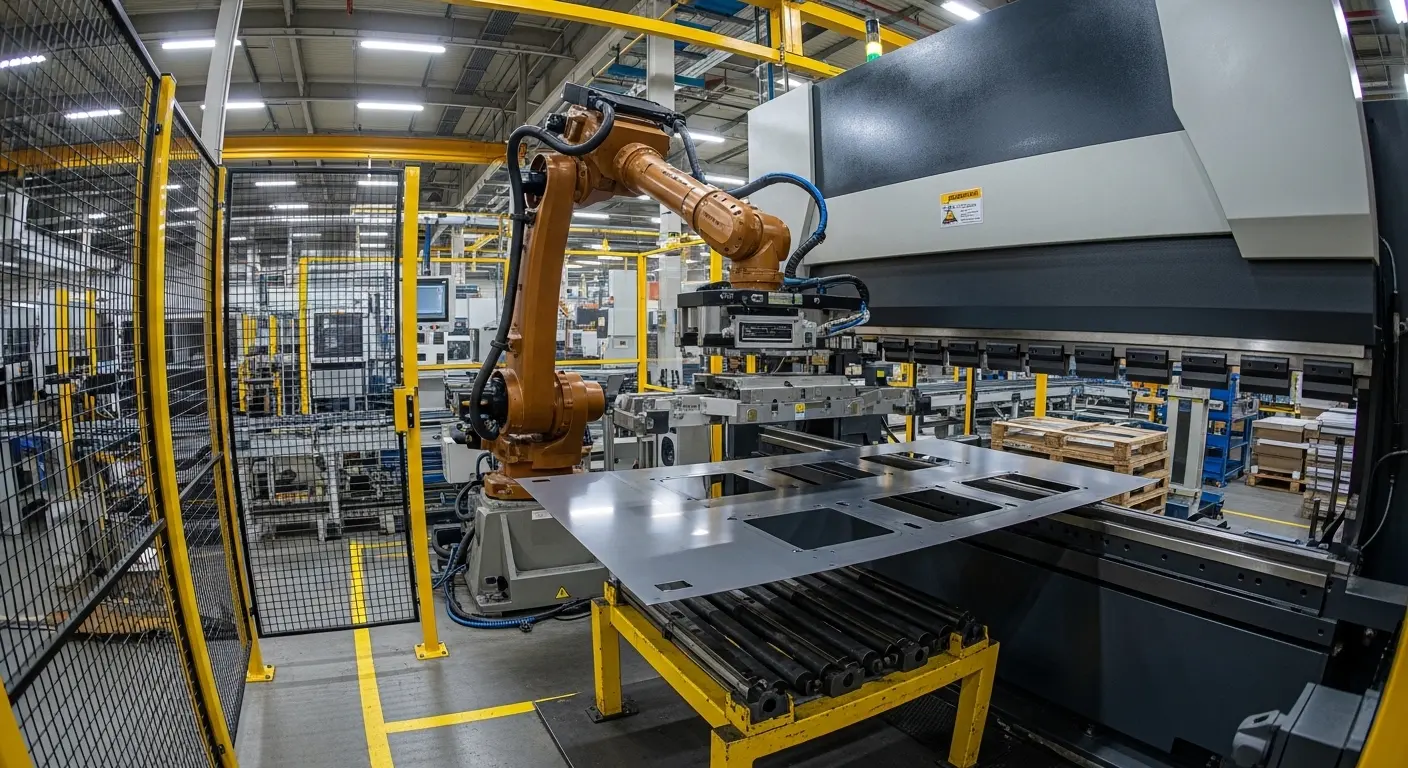
単独の手動プレスブレーキは、本格的な自動車生産においては稀です. 高ボリューム, 繰り返し可能な曲げには自動化が必要であり、自動車用板金曲げ機 その自動化されたワークフローに組み込む必要があります.
現代の自動車の曲げ線は通常、統合されます:
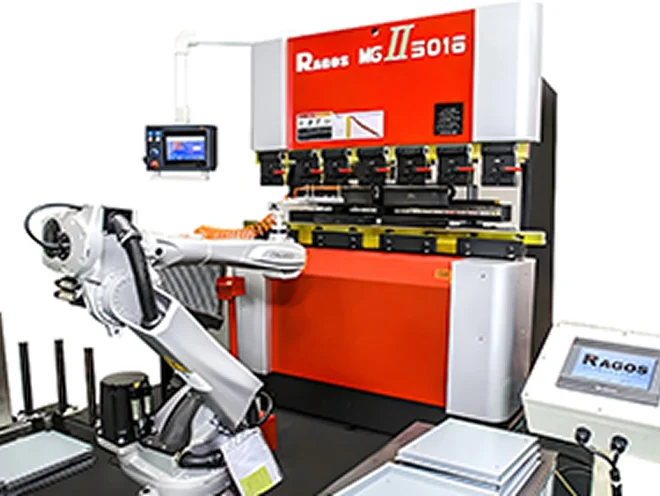
ロボットによる積み込みと荷降ろし — 6軸ロボットアームがプレスブレーキにブランク弾を積み込む, 背面のゲージに位置付け, 曲がった部品を取り外します. これにより、長時間のシフト中のオペレーターの疲労やポジショニングの変動がなくなります.
自動工具交換システム — プレミアムマシンには工具収納と自動パンチ/ダイ交換機能が含まれています, セットアップ間でオペレーターの介入なしにマルチステージジョブを実行可能にします.
視覚および角度測定システム — レーザーセンサーやカメラベースのシステムを使ったインライン角度測定により、部品が次のステーションに移動する前にすべての曲げ角が確認されます. 欠陥はリアルタイムで発見されます, 最終検査ではそうではありません.
MESおよびERP接続性 — 自動車OEMサプライヤーは生産データを追跡しなければなりません. イーサネット接続およびCNCデータエクスポート機能を備えた機械は、工場管理システムと直接統合され、トレーサビリティを実現しています.
機器調達を行う店舗にとって国際的なCNCプレスブレーキサプライヤー または、の全範囲を評価すること板金成形ソリューション 自動車生産用, 自動化互換性とは、購入前に確認すべき仕様です.
適切な自動車用板金曲げ機の選び方
この5ステップフレームワークを使って、どのサプライヤーに相談するか前に選択肢を絞り込んでください.
ステップ1: 最も太いものを定義してください, 最も硬い材料
3mmのAHSSは、3mmの軟鋼とは全く異なるトン数要件を設定しています. 最悪のケースの材料から始めましょう。これが最小機械のトン数を決定します.
ステップ2: 最も長い曲がりを特定してください
ベッドの長さは最も広い部分よりも安全な範囲でなければなりません. ほとんどの材料では2メートルを超えるとクラウンが必須となります.
ステップ3: 曲げの複雑さをマッピングしてください
部品ごとの最大曲げ数を数え、途中でバックゲージの再配置が必要な箇所があるかどうかを特定します. 複雑な部品には6軸制御と3Dグラフィカルコントローラーが必要です.
ステップ4: ボリューム要件を設定しましょう
大量生産の自動車 (シフトあたり500部品) ロボット自動化の正当化. 低量プロトタイプやティア3の作業は、熟練したオペレーターのもとで標準的な4軸CNCプレスブレーキで良好に動作します.
ステップ5: 自動化および接続要件の確認
自動車の顧客がデータのトレーサビリティを必要としているかどうかを確認しましょう, 機械ごとの部分トラッキング, または特定の通信プロトコル. 注文前に、自分のマシンのコントローラーやソフトウェアがそれを提供できるか確認してください.
グローバルサプライヤー間で選択肢を比較するショップのため, ガイド2026年のトッププレスブレーキメーカー 信頼できるビルダーを絞り込むための有用な出発点です.
自動車用板金曲げ機に関するよくある質問
自動車用板金曲げ機とは何ですか?
自動車用シートメタル曲げ機は、車両製造のために平らな金属板を精密な角度のある部品に成形するためのCNCプレスブレーキまたはパネルベンダーです。車体パネルも含まれます, 構造ブラケット, シャーシ部品, およびバッテリー囲い. パンチとダイセットを使って、金属を指定された角度と半径に曲げます.
自動車用板金曲げ機はどのような材料で動作します?
軟鋼を扱っています, 先進高強度鋼 (AHSS), アルミニウム合金 (5xxxおよび6xxxシリーズ), 亜鉛メッキ鋼, およびステンレス鋼. 材料ごとに異なるトン数設定が必要です, 工具選択, およびスプリングバック補償プログラミング.
自動車の板金曲げにはどれくらいのトン数が必要です?
軟鋼の場合、最大3mmまで, 100トンの機械は通常、ほとんどのブラケットとフレームワークをカバーします. AHSSやより厚い構造部品の場合, 160〜300トンが一般的な要件です. 計算された最大曲げ力よりも常に20〜30%の容量マージンを追加してください.
自動車用プレスブレーキとパネルベンダーの違いは何ですか??
プレスブレーキは複雑な多曲げ部品に適した多用途な機械です, 括弧, およびフレーム. パネルベンダーは、ドアスキンやボディパネルなどの大型フラットパネルの高速生産に最適化された自動化機械です. 自動車整備工場では、異なる部品ファミリー向けに両方のタイプを扱うことが多いです.
CNCプレスブレーキは自動車の生産ラインロボットと統合できますか?
はい. Delemや類似のコントローラーを搭載した現代のCNCプレスブレーキは、デジタルI/Oによるロボット統合をサポートします, フィールドバス通信, およびティーチモードプログラミング. プレスブレーキとロボットは同期したループで動作し、ロボットが積み下ろしを行い、CNCコントローラーが自動的に曲げシーケンスを管理します.