


アマダスタイルプレスブレーキ: スペック, 工具互換性 & 代替案
アマダスタイルのプレスブレーキは、北米で最も広く採用されているプレスブレーキ工具規格であるアメリカンスタイルの金型システムを使用しており、同じ0.5インチのタング幅で作られたCNCプレスブレーキは、アマダの全工具在庫を受け入れます. このキーワードで検索しているほとんどの購入者は、Amadaの純正機械を購入したいわけではありません. 既存の金型に合う機械を、OEMのごく一部で済ませたいのです. アマダ対応プレスブレーキ金型の完全な一覧はこちら, 私たちのサイトをご覧ください。プレスブレーキ工具ページ.
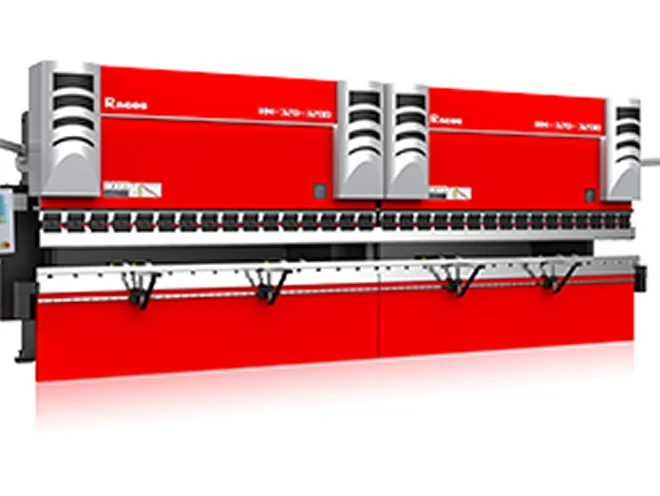
このガイドでは、機械アーキテクチャにおける天田スタイルの意味を解説します, 5ポイント互換性チェックリスト, ヨーロッパ式の金型との比較, そしてすべての互換性要件を満たすRAGOSマシン.
アマダスタイルのプレスブレーキとは何か?
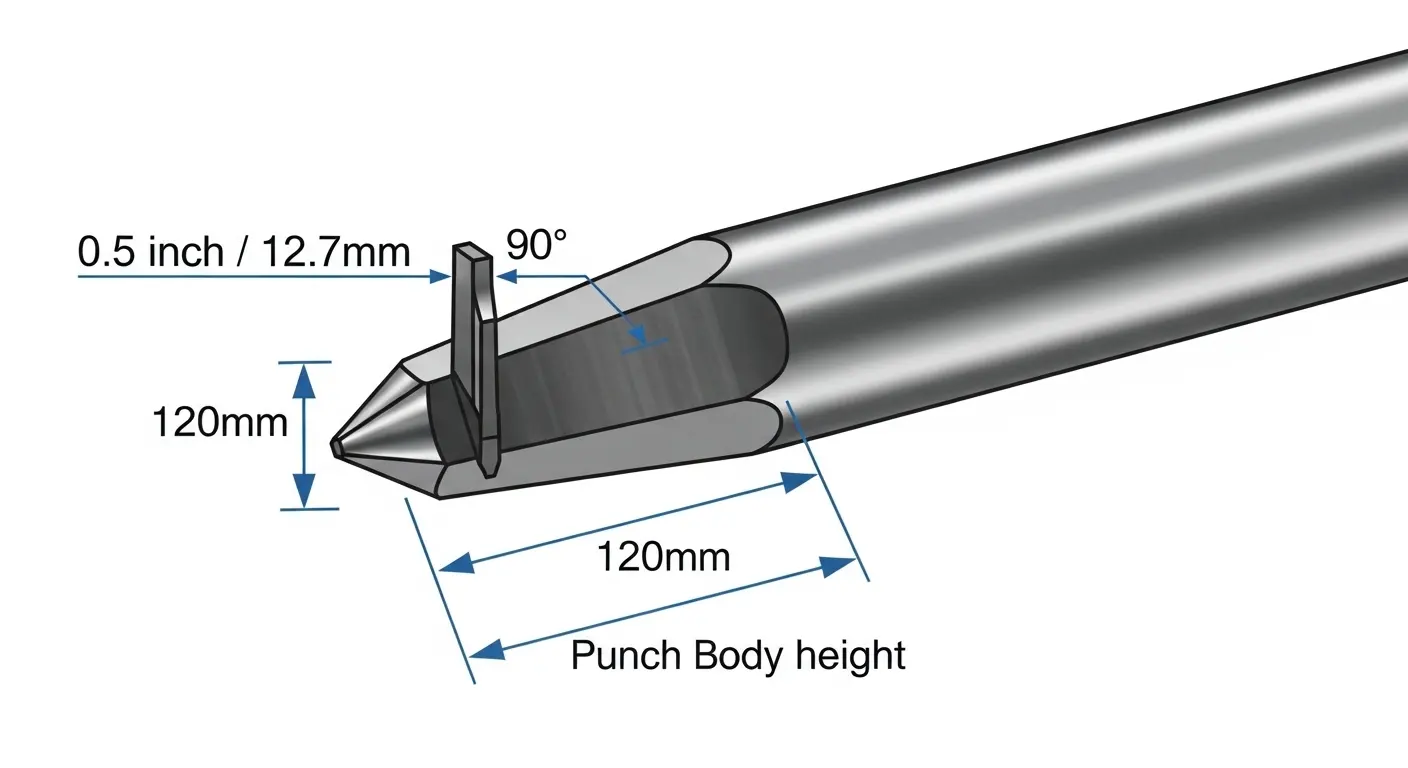
アマダスタイルプレスブレーキは、アメリカ式のパンチ&ダイ型金型システムを用いたダウンアクティング式油圧式CNCプレスブレーキです. 用語 "天田流" そして "アメリカンスタイル" 板金加工業界では同義で使われています。この標準はAmadaよりも前から存在しますが、ブランドが北米で広めました.
標準は4つの仕様で定義されています:
- ダウンアクティングラム — 上の梁が下向きに固定された下部テーブルに移動します
- パンチタン幅: 00.5インチ (12.7mm) — 一次適合次元
- 標準パンチ高さ: 120mm (4.72インチ) — 天田のAFH金型シリーズがこれを固定高さ標準として確認しています
- アメリカ式Vダイ形状 — オープニングス対. ヨーロッパのシステム, より幅広いV型ダイサプライヤーと共に
これら4つの仕様に合致するプレスブレーキは、製造元に関係なくアマダの金型を受け入れます.
天田スタイル vs. ヨーロピアンスタイルプレスブレーキ金型
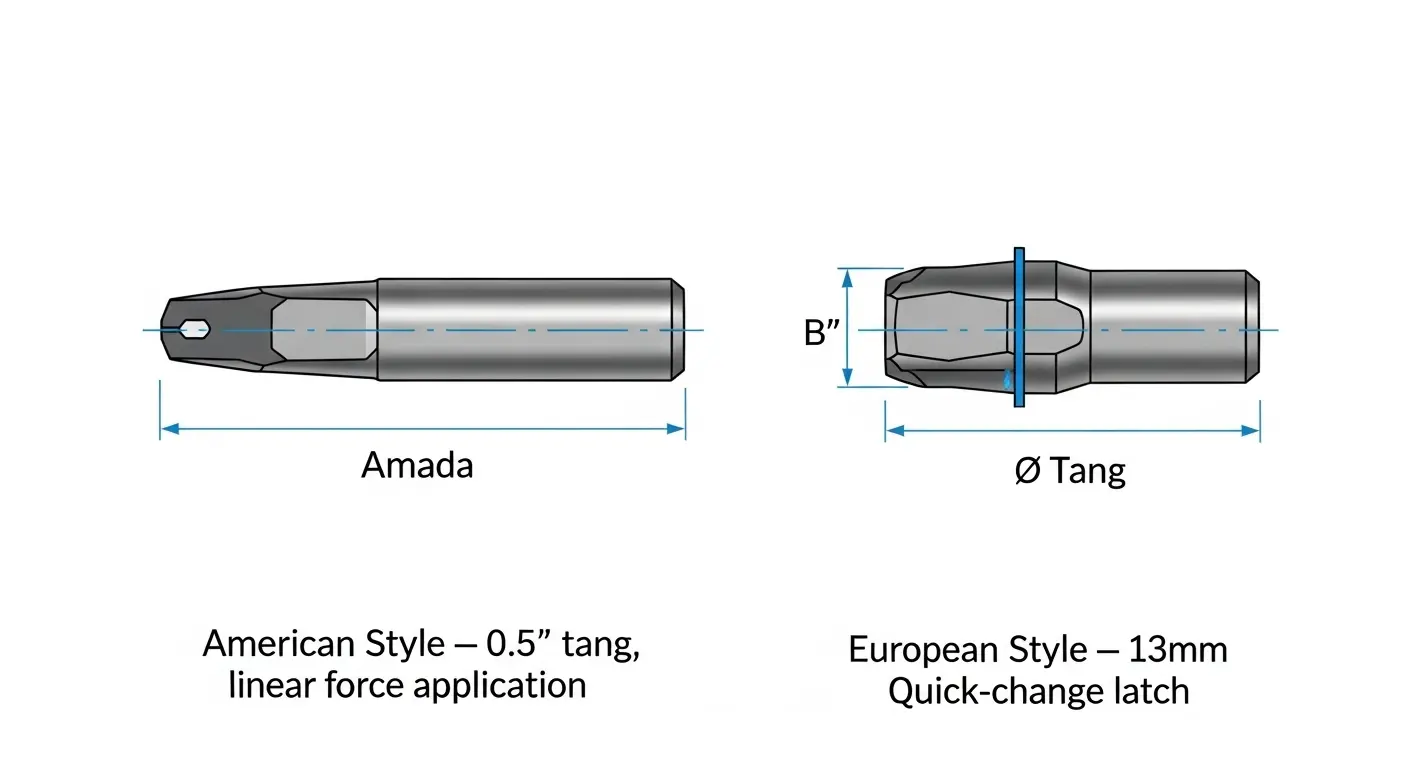
アマダスタイルとヨーロッパ式プレスブレーキの金型の主な違いはタン幅です, 力の適用方法, およびクランプシステム. 両者は互換性がなく、ヨーロッパ式の金型をアメリカ式のパンチシートに収めることはできません, その逆もまた然りです.
| 特徴 | 天田流 (アメリカ) | ヨーロッパ様式 (トランプ/ウィラ) |
|---|---|---|
| タン幅 | 00.5インチ (12.7mm) | 13mm, 狭いラッチタイプ |
| パンチ高さ (標準) | 120mm (4.72インチ) | システムによって異なります |
| 力の適用 | 直接, 上から先端まで直線的です | オフセット, 工具長に沿って分布しています |
| 安全ラッチ | 手動ラムクランプシステム | スナップイン式クイックチェンジラッチ |
| セットアップ速度 | 遅い (手動アライメント) | 高 速 (自動クイックチェンジ) |
| 工具コスト | 下位 — より広範なグローバルサプライヤーベース | 高いほど、互換性のあるサプライヤーが少ない |
| 市場支配 | 北アメリカ | ヨーロッパ, 世界的に成長 |
もしあなたの店にすでにAmadaの金型在庫があるなら, アメリカンスタイルの標準で作られた機械なら、リツール費用なしでドロップイン互換性が提供されます. ヨーロッパ式の機械は完全な金型交換が必要です.
5ポイントのアマダスタイル相性チェックリスト
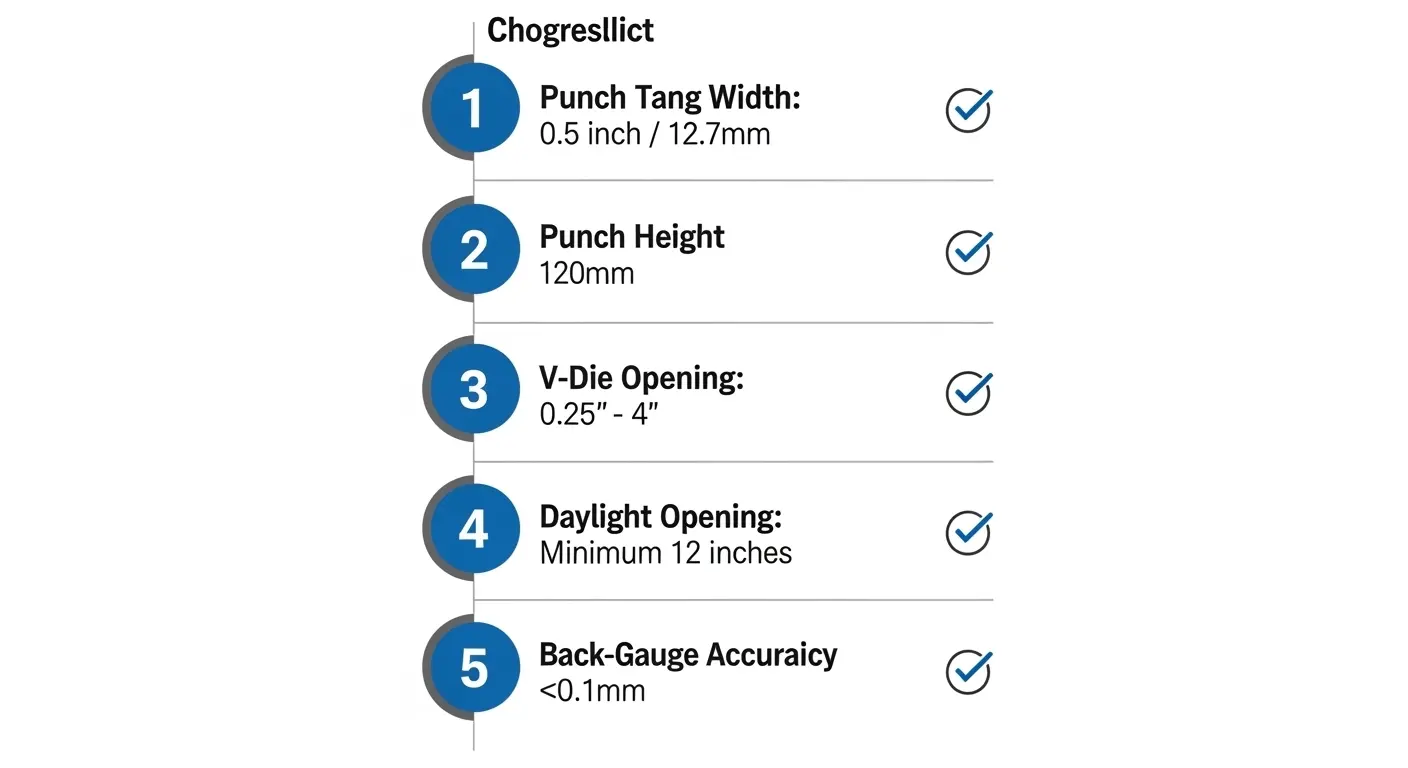
Amadaスタイル互換と説明されたプレスブレーキを購入する前に, これら5つの仕様を機械の技術表と照らし合わせて検証してください. 以下の各ポイントは実際の寸法や精度の要件に対応しており、マーケティング用語ではありません.
- パンチタン幅: 00.5インチ (12.7mm) — 主な入学要件. これが機械の標準パンチシート寸法かどうか確認してください. ずれると金型が正しくはまらない.
- パンチ高さ: 120mm (4.72インチ) — 天田のAFH規格はこれをCNC制御の曲げ作業の基準高さとして定めています. 非標準的な高さは曲げ深さの基準を変え、すべての作業を再プログラムする必要があります.
- Vダイ開口範囲: 0.25"–4" — ダイブロックの形状が一般的な材料厚さでアメリカ式のダイ標準に合致していることを確認しました (00.5mmから12mmまで).
- ラムストロークと日光開口 — 日光の開き (梁とテーブルの距離) パンチ高さ、材料厚、ダイ高さを考慮すべきです。. 標準的なAmadaスタイルの金型スタックには最低12インチの日光が必要であることを確認してください.
- 逆軌計の繰り返し精度: ±0.1mm以上 — 工具セットアップの交換時に生産実行の精度に必要です. ここで多くの汎用マシンが失敗するのがこの点です。. 精密CNCプレスブレーキ.
北米およびアジアの製造工場にAmada対応プレスブレーキを供給した経験から, タンの幅は90秒で確認されます. パンチ高さや日光開口部は互換性の問題が最も多い場所であり、必ず完全な技術仕様書を要求してください, 唐の次元だけではありません.
なぜパンチの高さがタング幅よりも重要なのか
タング幅は金型の適合の入り要件です. パンチ高さは、金型が機械のラムストロークを正しくクリアできるかどうかを決定します. 正しいタング幅でパンチ高さが合わない機械は、曲げ角に達する前にパンチが底を出してしまいます. 購入前に必ず完全な工具仕様書を依頼してください。タングの寸法だけでなく. まさにこの理由で、天田のAFHシリーズは120mmを標準化しました: 作業間でのレーザー安全装置の調整を排除すること.
アマダスタイルプレスブレーキ仕様 — 期待できること
アマダスタイルのプレスブレーキは、トン数クラスを通じて一貫した仕様パターンに従っています. 以下の表は、各容量レベルで正しく構成されたAmada互換CNCプレスブレーキに期待すべき内容を示しています.
| トン数 | ベッドの長さ | ラムストローク | バックゲージトラベル | 典型的な用途 |
|---|---|---|---|---|
| 40〜63トン | 1,600–2,000ミリメートル | 100mm | 500mm | HVAC, ライトエンクロージャー, 薄いシート |
| 80〜100トン | 2,500–3,200mm | 150mm | 600mm | 中価格帯製造, パネル |
| 160〜200トン | 3,200–4,000ミリメートル | 200mm | 700mm | 重いプレート, 建設プロファイル |
| 300〜600トン | 4,000–6,000ミリメートル | 250mm | 800mm | 構造用鋼, 重工業 |
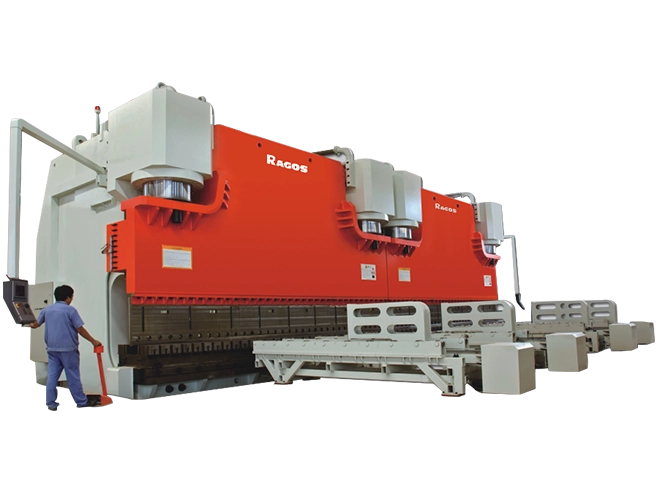
このトン数レンジのすべてのRAGOSプレスブレーキは、0.5インチのアマダスタイルのタンシートを標準装備として使用しています. 構造用および重板用途で300トンの重量を要求する場合, 私たちのサイトをご覧ください。600トンCNCプレスブレーキページ.
アマダスタイルプレスブレーキのCNCコントローラー
AmadaのOEMマシンは独自の技術を使用していますAMNC 3i コントローラー — サードパーティ製のマシンでは利用できません. 他メーカーのAmada互換プレスブレーキは、AMNC 3iの機能を再現またはそれを超える3つの業界標準コントローラーを使用しています.
- デレム DA-66T — AMNC 3iに最も近い機能的同等物; Y1/Y2角度補償のサポート, 8軸バックゲージ, 2D/3D部品プログラミング, およびクラウン補正. Amadaから移行するオペレーターは通常、1〜2日で適応しますが、数週間かかるわけではありません.
- ESA S650 — フル多軸CNCバックゲージ, グラフィカルベンドシミュレーション, 角度補正が組み込まれています. 複雑なプロファイルを扱うショップに適しています.
- エストゥン E21 — 標準生産用の信頼性の高いミッドレンジコントローラで、CNCバックゲージとスプリングバック補償を備えています.
3つのコントローラーすべてがUSBプログラムのインポートに対応しています, Gコード互換性, そしてスプリングバックの角度補正――アマダOEMを離れる際にショップが最も見落としがちな3つの機能です. ESA S650コントローラー付きのRAGOSプレスブレーキ用, 訪問ESA S650プレスブレーキ製品ページ.
Amadaからの移行時のバックゲージ互換性
AmadaのOEMバックゲージは独自の軸表示を使用しています (X, R, Z1/Z2). DelemとESAコントローラーは同じ物理軸レイアウトですが、メニュー名が異なります. 既存のアマダ計画を廃止する前に, すべての曲げシーケンスをPDFまたはDXFの参照ファイルとしてエクスポートしてください. これにより、新しいマシンでプログラムを一から作り直す必要がありません. すべてのRAGOSのCNCプレスブレーキにはUSBポートと標準プログラムインポート機能があり、スムーズな移行が可能です.
なぜAmada対応のプレスブレーキを買うのか、Amada純正品ではなく
80〜160トンの新しいアマダプレスブレーキは120ドルから販売されています,000 300ドルに,000構成やリードタイムによります. RAGOSなどのメーカーが製造したAmada互換CNCプレスブレーキも同じ金型規格を提供します, 等価CNCバックゲージ精度 (±0.1mm), および40〜65%低コストで同等の構造剛性を実現.
リードタイムは第二の重要な要素です. Amada OEMは通常、新しい構成の場合16〜28週間で出荷します. RAGOS Amada対応機は標準構成で8〜12週間で出荷され、故障した機械の交換や生産ラインの拡張を期限内に行う工場にとって大きな違いとなります.
三つ目の要素は予備部品です. アマダのOEM部品は独自仕様で、アマダの流通ネットワークを通じて調達されています. RAGOS機械は標準的な油圧部品を使用しています, 標準電気部品, DelemやESAコントローラーなど、複数のグローバルサプライヤーから提供され、リードタイムが短く、部品あたりのコストも低くなっています.
既存のAmada工具在庫を持つ工場からの設置フィードバックに基づく, RAGOSアマダ型機械への移行は、工具交換コストがゼロで、標準的な90日間のオペレーター適応期間が設けられ、完全な生産効率を実現できます. 完全の場合RAGOSのCNCプレスブレーキレンジ販売中, 製品カタログページをご覧ください.
RAGOS アマダスタイルプレスブレーキモデル
RAGOSは5つの構成でアマダスタイルの対応プレスブレーキを製造しています. すべての機械は0.5インチのものを使っています (12.7mm) パンチタン席を確定標準に — 天田, メイト・プレシジョン, ウィルソンツール, その他のアメリカ式金型は適応なしで装着されます.
利用可能な構成:
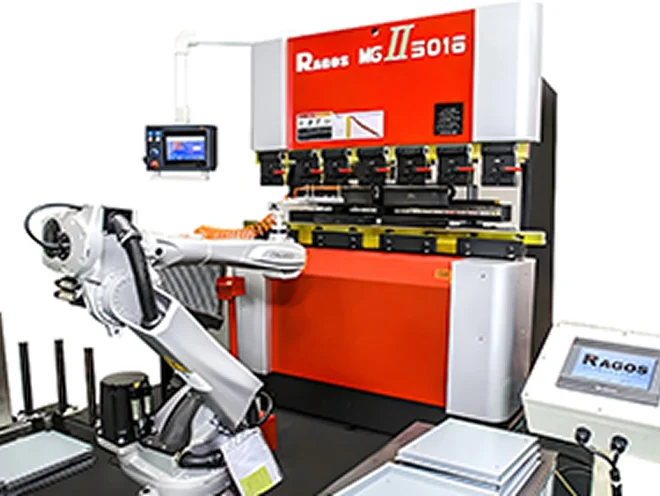
- 標準的な油圧式CNCプレスブレーキ — 40トンから600トンまで, デレム DA-66T または Estun E21, 3軸から8軸のバックゲージ
- 電動サーボプレスブレーキ — 省エネ, 低ノイズ, 220V単相運転を必要とする作業場に最適です: 電動プレスブレーキ製品ページ
- アップアクテッドプレスブレーキ — 下部ビームが上方に動く; 長く重い作品に好まれます; アマダスタイルの工具互換性が確認: アップアクトプレスブレーキページ
- 600トンの重厚機プレスブレーキ — 構造用鋼と板材が20mm以上曲げられている
- カスタム多軸構成 — 特定のバックゲージ移動が必要な店舗向けに利用可能, ベッドの長さ, またはコントローラーの組み合わせ
生産マネージャーからどの構成から始めるべきか尋ねられたとき, 答えは一つのことに依存します: 最大材料厚みと曲げ長さ. この2つの数値がトン数と床長を決定し、それ以外はこれに続きます. 工具在庫を教えてください, 必要トン数, 日々の生産量については、Amadaとの互換性を確認し、正しい構成を推奨します.
よくある質問
Q1: 天田式プレスブレーキとは何か?
アマダスタイルプレスブレーキは、アメリカ式のパンチ&ダイ型金型システム(0.5インチで定義される)を用いたダウンアクト式油圧式CNCプレスブレーキです (12.7mm) パンチタング幅と標準パンチ高さ120mmです (4.72インチ). 北米で最も広く使われているプレスブレーキ金型の標準です. 同じ寸法基準で作られたプレスブレーキは、アマダを受け入れます, メイト・プレシジョン, ウィルソンツール, その他すべてのアメリカ式対応の金型. へRAGOS Amada対応プレスブレーキ金型のオプションを探求, 工具製品ページをご覧ください.
Q2: アマダスタイルとヨーロッパ式プレスブレーキ金型の違いは何ですか??
主な違いはタングの幅と力の適用方法です. アマダスタイルは0.5インチを使います (12.7mm) 線形のタン, 直接的な力の加害と手動クランプシステム. ヨーロッパスタイルは、より狭い13mmのタングにオフセットフォース設計、スナップイン式のクイックチェンジラッチを採用しています. この二つのシステムは互換性がありません. もしあなたの店に既存のAmada金型在庫がある場合, 全額の再編成費用を避けるには、アメリカ式の互換性のある機械が必要です. へRAGOSのCNCプレスブレーキ全ラインナップをご覧いただけます, 製品カタログをご覧ください.
Q3: AmadaのプレスブレーキでないものにAmadaの金型を使えますか??
はい、アメリカ式の金型標準で作られたプレスブレーキは、改造なしでアマダ金型を受け入れます. この工具はAmadaのOEMマシン専用ではありません. 購入前, 三つのことを確認してください: パンチタング幅は0.5インチです (12.7mm), パンチ高さは120mm標準と一致しています, そして、日光開口部は工具スタックに十分な長さです. すべてのRAGOSのCNCプレスブレーキは、3つの基準すべてを満たしています. へRAGOS ESA S650プレスブレーキとの互換性確認, 製品仕様ページをご覧ください.
Q4: AmadaスタイルのプレスブレーキにはどんなCNCコントローラーが使われていますか?
AmadaのOEMマシンは独自のAMNC 3iコントローラーを使用しています, サードパーティ製のマシンでは利用できません. アマダ互換プレスブレーキは業界標準のコントローラーを使用しています: デレム DA-66T, ESA S650, またはEstun E21 — いずれもY1/Y2角度補償を支持しています, 多軸CNCバックゲージ, 冠付け補正, およびスプリングバック調整. Delem DA-66Tは、プログラミングロジックの観点からAMNC 3iに最も近い同等機です. Amadaから移行するオペレーターは通常1〜2日で適応します. へCNC制御付きのRAGOSアップアクティングプレスブレーキを探る, 商品ページをご覧ください.
Q5: アマダスタイルのプレスブレーキはいくらかかります?
新しいアマダ純正プレスブレーキは80〜160トンの範囲で120ドルから販売されています,000 300ドルに,000ベッドの長さやコントローラーによります. RAGOSのようなメーカーのAmada互換代替品は、同じ工具規格と同等のバックゲージ精度を40〜65%低コストで提供します, リードタイムは8〜12週間と比較. アマダOEMの16〜28週間. 40トンから63トンの範囲のエントリーレベルのアマダスタイル対応機が、かなり低価格で入手可能です. へRAGOSの600トンCNCプレスブレーキは重負荷用途でご覧ください, 商品ページをご覧ください.
アマダスタイルプレスブレーキの決定を定義する3つの事実
この決定を締めくくる三つの事実があります. まずは: "天田流" は工具標準であり、ブランド要件ではありません. 0.5インチのタングシートと120mmのパンチ高さを持つプレスブレーキなら、Amadaの全工具在庫を受け入れます. 秒: 5ポイント互換性チェックリスト — タング幅, パンチ高さ, Vダイレンジ, 日光の開口, バックゲージの精度は、マシン購入を決める前に必要な唯一の検証です. 三番目: Amada互換の代替品は、同等の仕様を40〜65%のコスト削減で、リードタイムも短縮しています. 金属加工機械市場は年平均成長率(CAGR)6.9%で成長しており、金型基準とブランドロイヤルティを分離する工場は、より早く、かつ低い資本コストで生産能力を獲得しています. 現在の工具在庫を共有してください, 必要トン数, また、RAGOSチームとのベッド長の確認および構成見積もりのため.