


板金曲げにおける反簧の減少方法 (実践的なステップ)
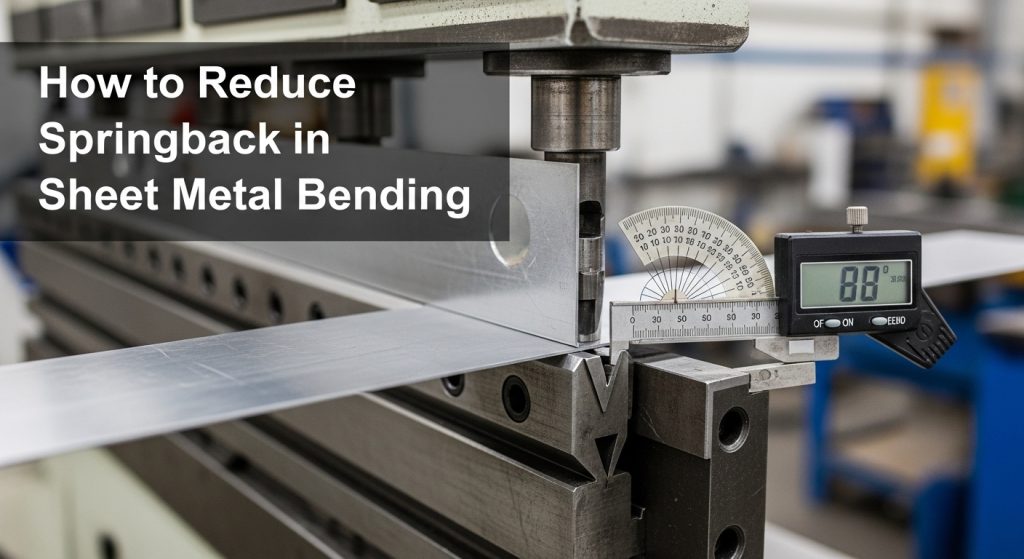
金属加工者は皆、部品を90度に曲げてラムが格納した瞬間に92度や93度に戻るのを見るフラストレーションを知っています. この弾性回復の曲げ角偏差, 一般にスプリングバックとして知られています, はすべての金属に固有の物理反応である。. これは、外側半径の金属が伸び、内側半径が圧縮されるために起こります, および "中立軸" 元の形に戻ろうとする試み. 薄い板は厚い板よりも強い跳ね返り効果を示すことが多いです, そしてステンレス鋼や高強度鋼のような材料が最大の課題を生み出します.
幸いなことに, 特定の曲げ方法を使うことでこれを管理することができます, 工具の調整, そして最新のCNC補正技術を活用して推測を排除しています. このガイドは、毎回正確な曲げ角の精度を達成するための実践的な現場作業を提供します.
板金曲げにおけるスプリングバックとは何か?
スプリングバックは "戦い" 力を加えた後に金属の中に残る. これは、金型が離れる際に材料の内部応力が解放される弾性変形回復応答です.
- 弾性回復: すべての金属には弾性ゾーンがあります; もし十分に深く押し込まなければ、 "プラスチック製" ゾーン, ただ跳ね返るだけです.
- 曲げ角損失: もし90度の角が必要なのに、金属に3度のスプリングバックがある場合, 目標に到達するには87度まで曲がる必要があります.
- 組み立てリスク: わずかな材料ストレスリリースリカバリーシフトでも、部品が溶接ジグに収まらなかったり、他の部品とマッチングできなくなったりすることがあります.
専門店で, この記憶効果を無視すると、スクラップ率が高くなります. 組み立て公差を厳格に保ち、部品がプロフェッショナルに見えるように、リカバリーを予測しなければなりません.
なぜステンレスや高強度材料でスプリングバックが増加するのか?
選ぶ金属の種類は、その効果に大きく影響します "春。" 高い降伏強度を持つ材料は、永久変形により多くの力を必要とします, これにより、自然に高い引張弾性回復増幅が得られます.
| 素材の種類 | スプリングバックの重さ | 原因 |
| マイルドスチール | 低・中等 | 予測可能な降伏強度と安定した回復 |
| アルミニウム | 適度 | 弾性率が低い場合、 "弾力" 感じる |
| ステンレス鋼 | 高い | ひずみ硬化によるスプリングバックメモリー効果は非常に強いです |
| 高強度鋼 | とても高い | 高降伏金属の曲げ角回復力は破るのが難しい |
ステンレス鋼は特に難しく、加工硬化が進みます. 曲げるときに, それは強くなり、より激しく反撃します. これらの材料の薄いシートはさらに悪いです。なぜなら、その量が少ないからです "質量" 永久的な形を保つために, 弾性帯が最終角度を支配するようにすること.
スプリングバックを補うために通常必要なオーバーベンドの量?
ターゲットを狙うために, 角度補正の弾性回復オフセットを計画しなければなりません. これは "過度に曲げること。"
| 材料 | 厚さ | 典型的なオーバーベンドが必要 |
| マイルドスチール | 1mm - 2mm | 1.0°から2まで.0° |
| ステンレス304 | 1mm - 2mm | 3.0°から5まで.0° |
| アルミニウム | 1mm - 2mm | 1.5°から3へ.0° |
これらはオーバーベンド補償マージンの計画の出発点として扱うべきです. 材料バッチのスプリングバック偏差範囲が動いていると感じた場合, 深さを調整しなければなりません. 例えば, もし90度の曲げが92度で外に出ているなら, 目標達成するにはCNCを88度に設定する必要があります.
ダイの開口サイズがスプリングバックや曲げ精度にどのように影響するのか?
Vダイの開き方の選択によって、曲げの物理が変わります. Vダイ開口部が小さいことでV字開口部の荷重増幅効果が生まれます, これにより圧力はより小さな領域に集中します.
- 圧力濃度: 小さなV型ダイは金属をより強く金型に押し込みます, それが役立つことがあります "セット" 曲げて回流を減らす.
- トン数トレードオフ: しかし, 小型のVダイは、形成力の貫通深度安定性がはるかに高くなります, これにより工具の摩耗が増加します.
- 半径インパクト: V字が小さいほど内側半径も小さくなります, これにより、金属が新しい形に固定されるのが自然に助けられます.
ダイショルダーの圧力分布変化を、機械のトン数制限とバランスを取らなければなりません. 幅広すぎるVダイを使う場合 (例えば, 厚さ12倍), スプリングバックは増加します。 "中立軸" リラックスできるスペースが多い.
スプリングバックを減らすためにエアベンディングの代わりにボトムニングを使うべきタイミングはいつ必要ですか?
現代の多くの店では空気曲げが使われています, でも "ボトムリング" もし機械が負荷に耐えられるなら、スプリングバックを倒すには優れた方法です.
| 方法 | 物理 | スプリングバックレベル |
| 空気の曲げ | 3-ポイント・オブ・コンタクト | 高い (高い報酬が必要だ) |
| ボトムリング | フルダイ接触 | 低い (金属は "造語" 形を整えて) |
ボトム加工は、パンチノーズを金型底部の材料に押し込むことで塑性変形の優勢を生み出します. これにより底重力再分配のロック効果が生じ、金属の記憶が物理的に破壊されます. 一方、空気曲げは速く柔軟です, ボトムイングは "ゴールドスタンダード" 角度ドリフトに全く耐性がないときの精度のために.
パンチ半径の選択がスプリングバックの挙動にどのように影響するのか?
パンチノーズの鋭さが金属内部構造の動く量を決めます. 小さな内側の曲げ半径の弾性回復制御戦略では、より鋭いパンチを使用します.
- ニュートラル軸シフト: より鋭いパンチは内側の表面により高い圧縮比を強います, これにより中立軸がずれ、回復が減少します.
- ザ "ナイフ" 効果: 半径が大きすぎる場合 (材料の厚さよりも多い), 金属が "折りたたまれた" 本当にではなく "形成された。"
- クラックリスク: 硬い素材には注意が必要です. 高強度鋼やステンレス鋼には鋭すぎるパンチを使用すると、微細破断半径のしきい値リスクがあります.
良いルールとしては、パンチ半径を材料の厚さにできるだけ近づけて、精度と構造的安全性のバランスを保つことです.
現代のCNCプレスブレーキはどのようにして自動的にスプリングバックを補正するのですか?
現代の技術により、 "試行錯誤" 現場から. 完璧な曲げを出すのに数学の天才である必要はもうありません.
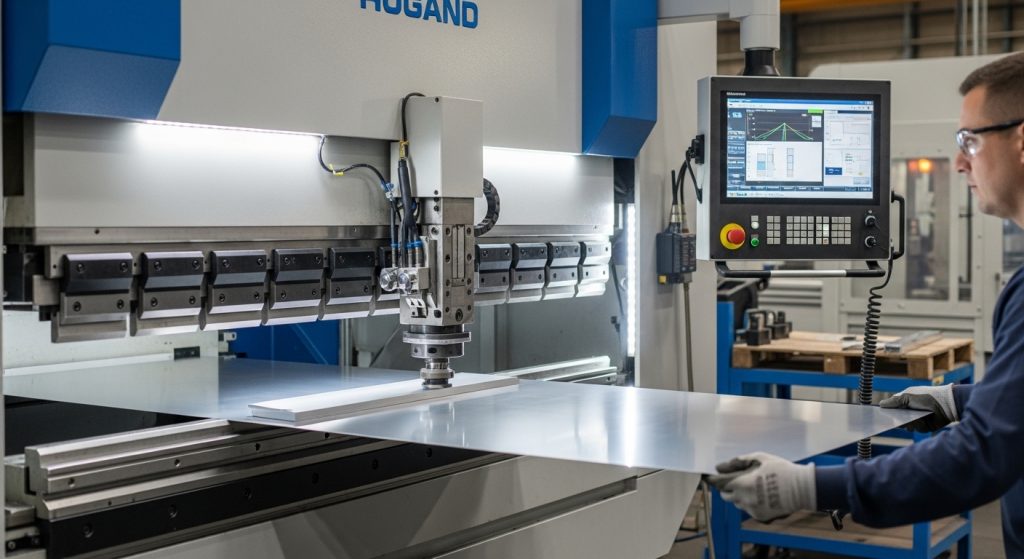
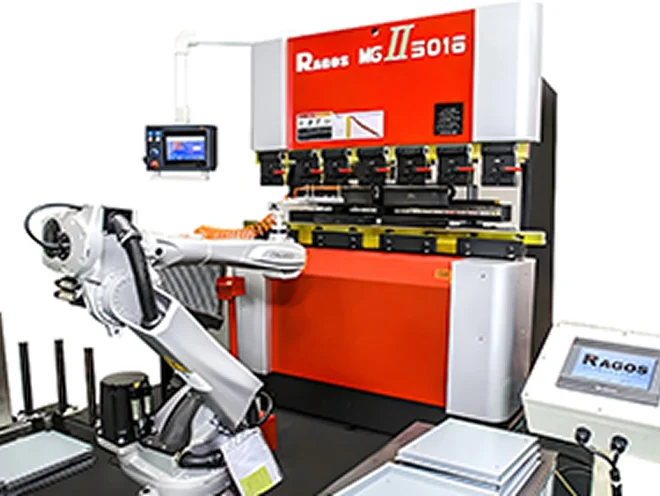
- 角度センサー: リアルタイムクローズドループの曲げ角フィードバック補正は、レーザーや機械式プローブを用いて部品を測定します ただし 曲げられている.
- マイクロアジャストメント: サーボラムのマイクロ調整コントロールは "再攻撃" センサーが検出した場合、ターゲット角度に達していない部分.
- 学習データベース: デジタルのスプリングバック学習データベースは、特定の材料バッチがどのように反応したかを記憶し、そのオフセットを自動的に次の100個の部品に適用します.
これらのシステムは、繰り返しバッチのスプリングバック補償制御を保証します, つまり、最初の部分も最後の部分と同じくらい正確であるということです.
スプリングバックを増加させる最も一般的な工場ミスは何ですか??
これらのミスを避けることで時間を節約し、曲げ角をきちんと保てます:
- 大きなパンチ半径: 3mmパンチを1mmの材料に使うと、 "怠け者" 巨大なスプリングバックで曲げる.
- 不均一な木目: 一部は木目に沿って曲げ、一部は木目に沿って曲げると、材料のバッチ収量偏差が発生します.
- テストベンドはありません: スキップ "最初の作品" 材料特性が変化している場合、チェックはしばしばスクラップの一括分につながります.
- 摩耗した金型: ダイのショルダーが平らになっている場合, 圧力分布が変化します, その結果、プロセスセットアップ、繰り返しエラー伝播が発生します.
CNCプレスブレーキが生産におけるスプリングバック制御を向上させる方法
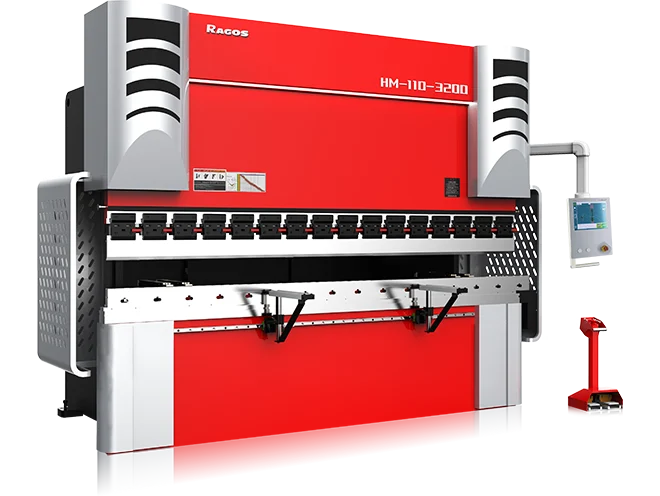
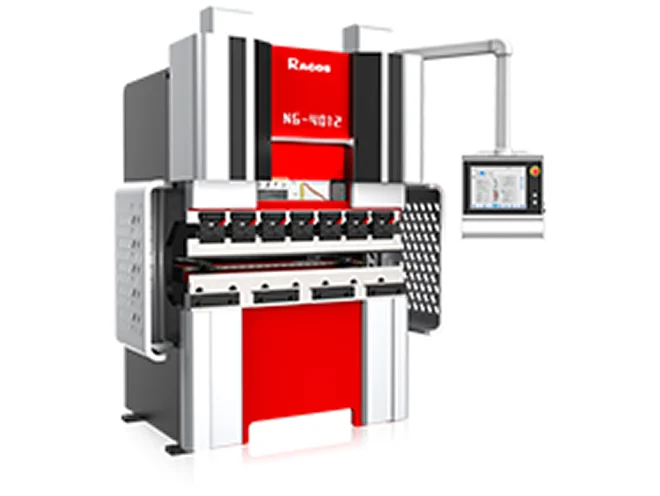
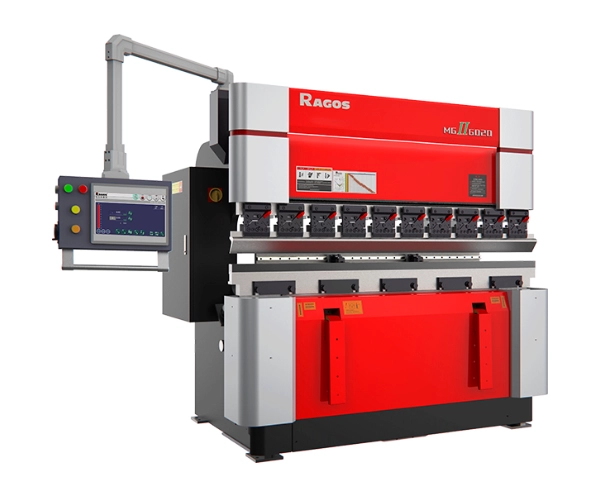
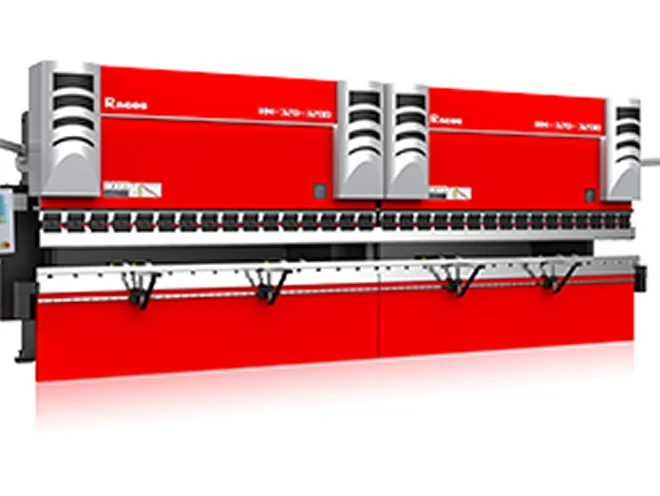
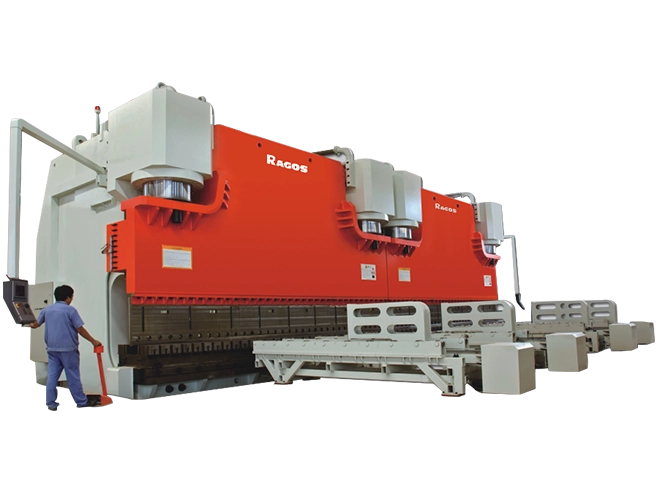
高品質なものへの投資 サーボ制御の曲げ角補正安定性 プラットフォームは大きな注文を処理する最良の方法です. 現代の製造速度に対応するには、自動の曲げ角補正ワークフローが必要です. これらの機械は、複雑なアセンブリや密接な部品に必要なリピートバッチのスプリングバック補償制御を提供します.
なぜアルミニウムシートが鋼板と異なるスプリングバック挙動を示すのか
きっと見つかるよ アルミニウム弾性回復増幅範囲 アルミニウムは弾性率が低いため鋼よりも幅が広い. むしろ、 "春" 柔らかい金属であっても. このアルミニウムの曲げ角の記憶挙動を考慮し、オーバーベンドを予想以上に増やしなければなりません。 "柔らかい" 素材.
鋼板スプリングバックがステンレス鋼や高強度鋼との違い
標準 軟鋼弾性回復安定性ウィンドウ は最も予測しやすい. 他の合金と比べて、冷間圧延鋼の曲げ予測範囲がはるかに優れています. 鋼板の角度保持挙動は通常安定しています, 速度と精度が同等に重要な大量作業に最適な素材です.
HVAC薄板パネル生産からのスプリングバックの教訓
HVACの世界において, 管理 薄パネル弾性回復優位 長いダクトセクションには不可欠です. 長いフランジ角度のドリフト傾向に注意する必要があります, そのため、大きなパネルが反りが生じることがあります. パネルの継ぎ目のアライメント曲げ許容度を確実に満たすには、正確なクラウンとプレスブレーキの慎重なオーバーベンド計画の組み合わせが必要です.
なぜステンレス鋼のスプリングバックには追加の補正戦略が必要なのか
対処 ステンレス鋼の高弾性回復挙動 独自の戦略が必要です. ステンレスの曲げ角補正マージンを使わなければなりません。 "押し戻し" 素材の. 表面硬化ステンレス鋼スプリングバック増幅は軟鋼の2倍の性能を持つことができます, ですので、304や316の新しいバッチを始めるときは必ずテストベンドをしてください.
ステンレスのスプリングバックを抑えつつひび割れを防ぐ方法
部品を安全に保つために, 見つけなければならない ステンレス曲げ半径亀裂防止閾値. スプリングバックを減らしたいのですが, 強く押しすぎると表面ひずみによる破壊開始のリスクが生じます. 特殊なステンレス成形の延性制御曲げ法を使うことで、しっかりと締め付けることができます, 金属の完全性を損なうことなく正確な曲げを.
最終の思い
スプリングバックを減らすのは物理と技術のバランスです. 適切なVダイを選ぶことで, よりシャープなパンチ半径の使用, CNCセンサーの活用, 自然なものを乗り越えられる "記憶" 金属の. 材料のバッチや穀物の方向も機械の設定と同じくらい重要であることを常に覚えておいてください.