
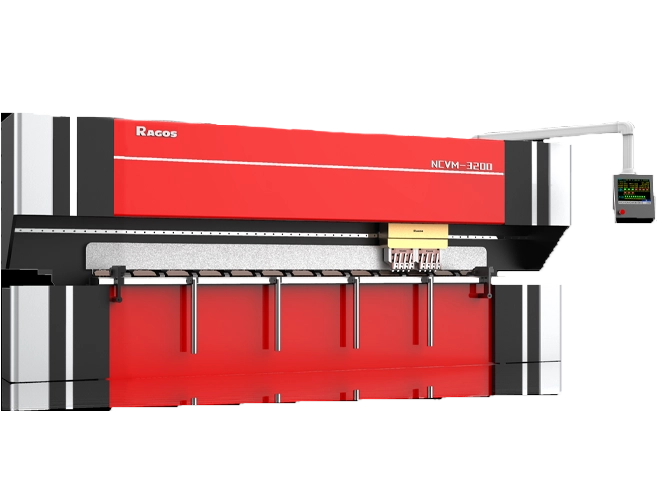


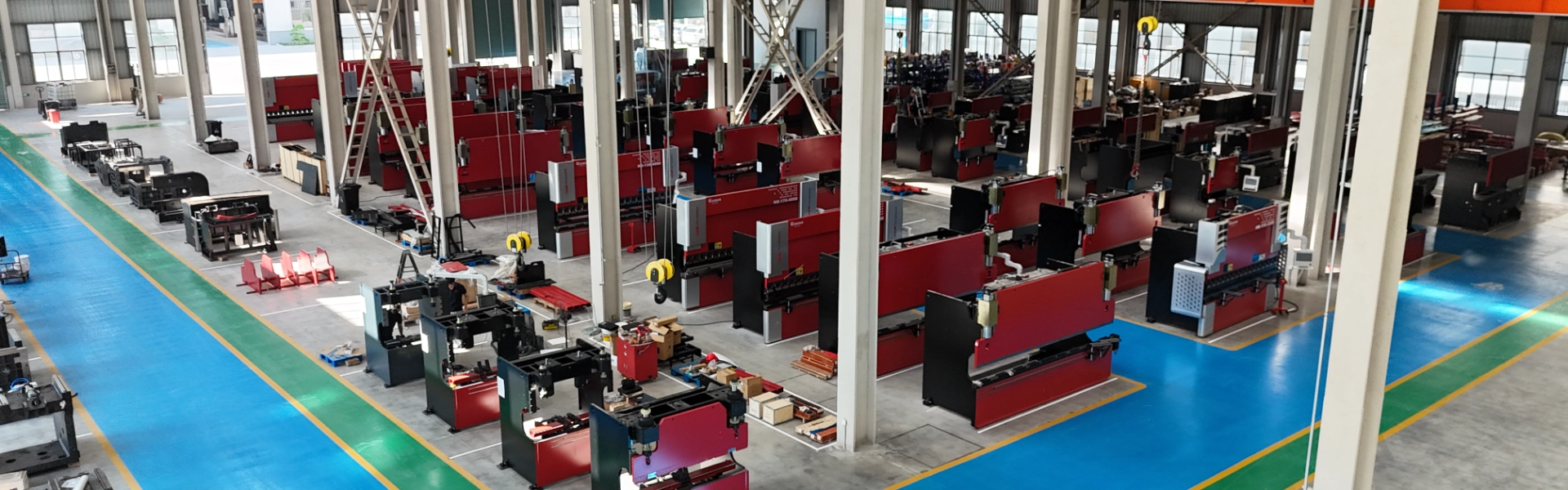
ポールベンディングプレスブレーキ: 機械完全ガイド, スペック, およびポール生産
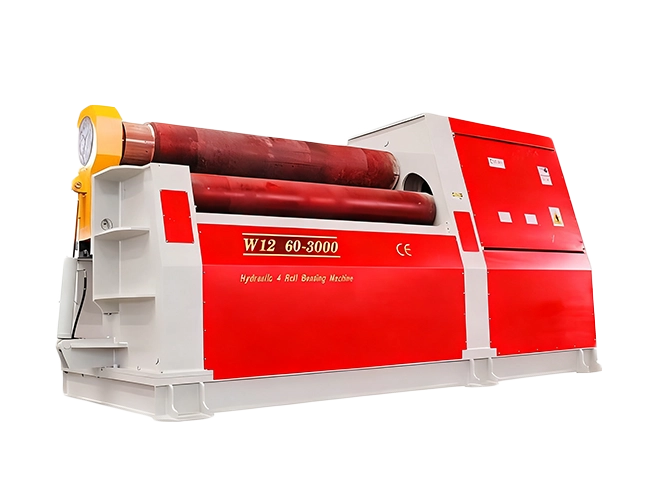
あるポールベンディングプレスブレーキ これは、鋼板を円筒形および円錐形の柱に成形するための専用または構成されたCNCプレスブレーキです。街灯です, ハイマストタワー, 旗竿, 電柱. 標準的なプレスブレーキはこの点にうまく対応できません. ポールフォーミングには長いベッドの長さが必要です, 伸びた曲げ線での高トン数, 特殊な円錐型金型, そしてほとんどの場合, 2台の同期機械が一つのユニットとして動作する.
このガイドでは、選定と運営に必要なすべての情報を網羅していますポールベンディングプレスブレーキ — 機械の構成や工具から段階的な曲げ工程まで.
ポールベンドプレスブレーキとは何か?
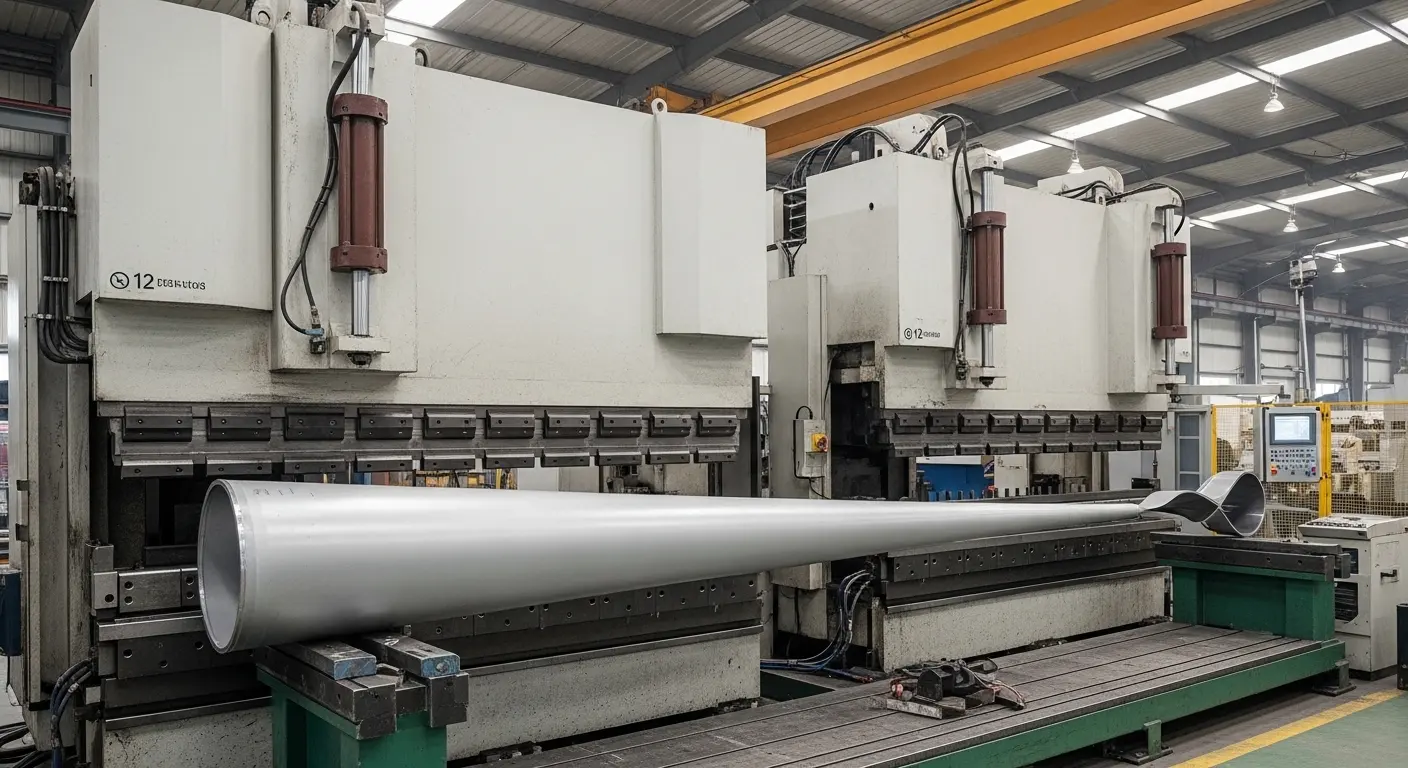
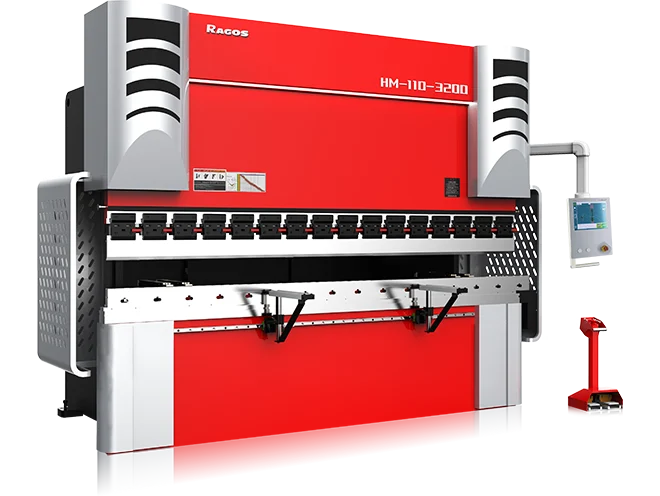
あるポールベンディングプレスブレーキ これは、鉄板をポール形成に必要な縦断面に曲げるために特別に配置された、重装備の油圧式CNCプレスブレーキ、または同期タンデムペアです. この機械は大半径またはV型ダイ金型を用いて、平らな鋼材のブランクを複数回のパスで段階的に曲げ、板が円錐形または円筒形に転がり、継ぎ目溶接に適した状態になるまで進めます.
標準的な板金の曲げとは異なります, ポールフォーミングは一つも急な曲がりを生みません. その代わりに, オペレーターは板長に沿って、狭い間隔の小半径の曲げを連続してプログラムします, それぞれがわずかに曲率を進め、完全な円形またはテーパー状のプロファイルが形成されます.
Key characteristics of aポールベンディングプレスブレーキ 含めて:
- 長いベッドの長さ — 通常は6mから16mまでの柱を収容するために4m〜12mの完成長さです
- 高トン数 — 薄い一体型ポールの最低200T要求; 厚い構造用ポールプレートを扱うタンデム構成用の600T–2200T
- ディープスロートの深さ — 複数回曲げ時に曲面板がフレームをクリアするために最低400mmが必要です
- CNC同期 — タンデムセットアップ, 両機ともRAMの位置を±0に同期させる必要があります.0ベッド全体に1mmの幅を広げています
- クラウニング補償 — アクティブクラウニングは、長板の中心が端と異なる半径で曲がるのを防ぎます
プレスブレーキで作られたポールタイプ
すべての極が同じではありません, そしてそれぞれのタイプがあなたの要求も異なりますポールベンディングプレスブレーキ 構成.
街灯の柱 (6m–12m) — 最も一般的な応用. 通常は3〜5mmの軟鋼板, テーパード (円錐形) プロフィール, ポールの直径は上部が60mm、基部が300〜500mmまであります. 200T×6mプレスブレーキが1本で短いポールを扱います. 8m以上の長いポールにはタンデムセットアップが必要です.
ハイマストポール (20m–40m) — フィールドスプライスで結合された多段極. 各区画の長さは6mから12mです, タンデムプレスブレーキと厚い板材のための高トン数が必要 (5–10mm). 高速道路照明でよく見られる, 空港エプロン, および港湾施設.
旗竿と装飾柱 — より薄い素材 (1.5〜3mm), しばしば、精密なテーパージオメトリと滑らかな外表面仕上げが求められます. トン数の要件を低く, しかし、厳密な半径制御が不可欠です.
電柱と電柱 — 配電線の構造用極. 厚いプレート (6–12mm), 高引張鋼 (Q345, S355), 重要なトン数要件. このカテゴリーには600Tから1200Tまでのタンデムプレスブレーキが標準装備されています.
円錐形と円筒形 — 円錐形のポールは基部から上へ細く細くなり、調整可能な円錐型の金型セットが必要です. 円筒柱は全長にわたって一定の直径を維持し、標準的な半径の金具と均一なパス間隔を用いています.
シングルベッドとタンデム: どのポールベンドプレスブレーキが必要ですか??
単一大型ベッド機とタンデム構成のどちらを選ぶかは、ポール生産において最も重要な仕様の選択です.
シングルベッドプレスブレーキ (200T–600T, 4m–8m) は正しい選択である場合:
- ポールの射程は6m〜8mの完成長さです
- 板の厚さは6mm未満に抑えられます
- 材料グレードはQ235または軟鋼同等です
- 生産量は中程度で、1シフトあたり30〜80本の極があります
- 資本コストを抑えたシンプルな機械のセットアップが望ましいです
ザ200トンのステンレス鋼および構造用鋼プレスブレーキ 標準的な街灯ポールの長さに十分なベッドを持ち、軽量から中程度のポール生産に対応します.
タンデムプレスブレーキ構成 必要となる場合:
- 完成したポールの長さは8mを超えています
- 板の厚さは6mm以上です (合計400トンを超えるトン数が必要)
- 材料は高強度構造用鋼です (Q345, S355, またはそれ以上)
- 複数のポールセクションを同時に製造する必要があります
- 大量生産は最大限の稼働時間と分割モードの柔軟性を要求します
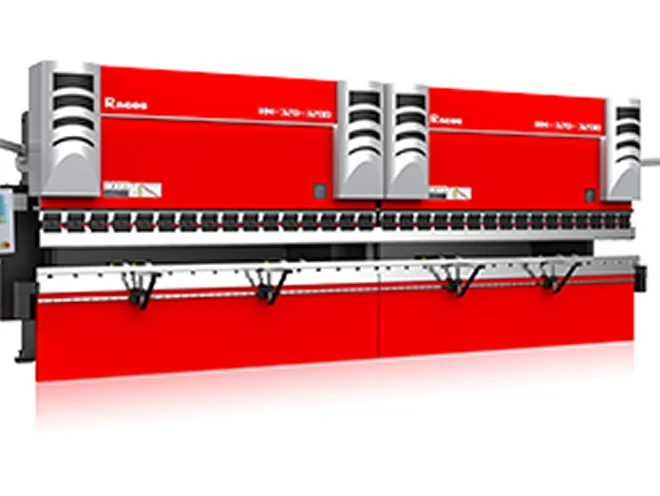
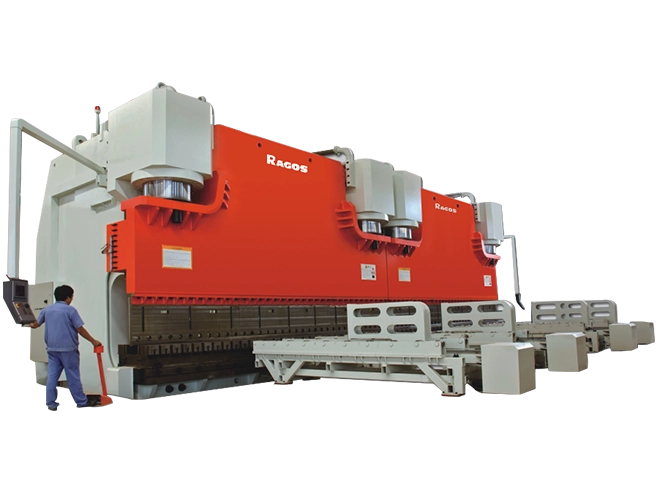
ある長時間の板金生産用のタンデムプレスブレーキ マスターCNCコントローラを介して2台の機械を同期させます, 全長で±0.1°の精度で10mから16mの曲げを可能にします. スプリットモードにより、タンデム構成が不要な場合でも2台のマシンが独立して小規模な作業をこなせます.
| 特徴 | シングルベッド | タンデムセットアップ |
|---|---|---|
| 典型的なベッド長 | 4m – 8m | 8m – 16m |
| 合計トン数 | 200T – 600T | 400T – 2200T |
| 極長範囲 | 最大8メートル | 最大16mまで |
| セットアップの複雑さ | 標準 | 高め — 同期が必要 |
| 資本コスト | 下げる | さらに上がる — 2台の機械 |
| 万芸 | ワンポールレンジに適しています | ハイ — 他の作業用のスプリットモード |
ポールベンドプレスブレーキの主な仕様
評価する際にはポールベンディングプレスブレーキ, これらは、機械があなたのポールレンジに対応できるかどうかを決定する仕様です.
曲げ長さ — 最長のポールセクションと同等かそれ以上になければならない. 12mのポールの場合, 標準的な構成は、2台×6mベッド、合計12mの作業長を持つタンデム構成です. 8mまでの短い電極の場合, 1台の8mまたはタンデム2×4.6m構成がうまく機能します.
トン数 — 板厚に基づいて必要なトン数を計算する, マテリアルグレード, および曲げ長. Q235構造用鋼材の場合、6mに対して5mmです, 約300〜400トンが必要. Q345の場合、8mmで12mを重ねています, タンデム構成では800Tから1200Tの合計トン数が一般的です.
喉の深さ (ゲージ深度) — ポールベンディングの場合, 最低400mmの喉長が必要です. 多重曲げ時に板が曲がるため, 部分的に成形された形状は、衝突せずに機械のフレームを通過しなければなりません. より大きな直径の極 (500mm) 喉の深さ600mm以上が必要になることもあります.
同期精度 (タンデムのみ) — 2台のラムはタンデム構成で1±0を維持しなければなりません.0すべてのストロークで1mmの位置一致. これを超える逸脱は "ステップ" 両機械の接合点での変形. デュアルグレーティングルーラーフィードバックを用いたEtherCATベースのCNC同期が現在の技術標準です.
クラウンシステム — 6m〜12mのベッドの上で, 機械フレームは負荷時にたわみます, これにより、板の中心部は端よりもやや大きな半径で曲がります. このたわみを補正するアクティブ油圧または機械的クラウニング, 曲げ全長にわたる一定の半径を維持すること.
長床用途, ザCNCプレスブレーキ4000mm構成 ベッド長延長が大型構造部品に測定可能な生産価値をもたらすことを示しています.
ポールベンディング用の工具: 円錐形および円筒型ダイセット
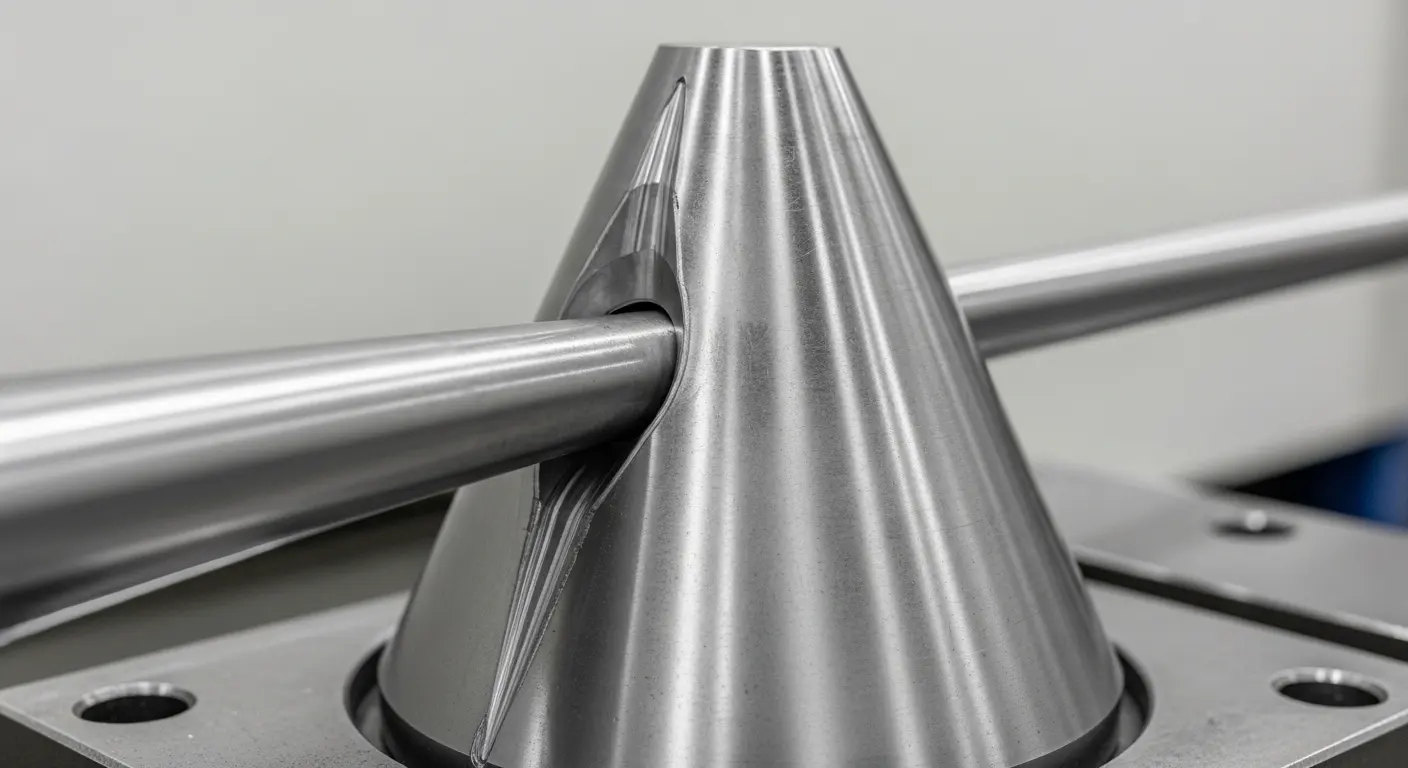
ポールベンディングは標準的な板金曲げとは異なる工具を使うため、これを正しく把握することが、きれいなポールジオメトリーと歪んだりひび割れたりしたプレートを区別する鍵です.
半径型金型 (カーブドパンチ&ダイ) — 円筒極の場合, マッチド・ラジアス・パンチ&ダイセットは、プレート全体に一貫した曲線を適用します. 同じ工具で複数回のパスを重ねることで、プレートは徐々に完全な円筒形に閉じていきます. 各曲げ段階で、ダイ半径はターゲットポールの直径と一致します.
円錐型金型セット — テーパードポールは、板の長さに沿って異なる位置に異なる半径を適用する工具が必要です. 円錐形ダイセットは、ベッド沿いのダイ溝のプロファイルを変えることでこれを実現します. 単一のプレスストロークでテーパーの狭い端が広い端よりも狭い半径で曲げられ、各パスで完成したテーパーの形状を再現します.
マルチパスVダイ曲げ — 専用の円錐型工具を使わない小規模な製造工場でポールを製造する場合, 標準的なVダイを用いた複数回のエアベンディングは、計算された間隔で直線的な曲げをプログラムされた順序で行うことで極形を実現します. 間隔が近いほど, 曲線が滑らかになるほど. 直径500mmのポールの場合, 通常、12〜18回の曲げパスが板幅にプログラムされます.
工具材料と硬度 — ポール曲げ工具は繰り返し高荷重条件下で動作します. 工具鋼は58〜62 HRCが標準です. 表面コーティング (クロムメッキまたは窒化処理) 構造用鋼板の反復接触により工具寿命が大幅に延びます.
ザ街灯柱曲げ機サプライヤー このページでは、テーパードおよび円筒ポール製造のための完全な工具構成オプションを詳細に解説しています.
ポール曲げのプロセス: ステップバイステップ
曲げの順序を理解することで、どんな曲げも評価できますポールベンディングプレスブレーキ あなたの制作要件に正確に照らしています.
ステップ1: プレート準備
鋼板は台形に切断されます (円錐極の場合) または長方形 (円筒極の場合) プラズマまたはレーザー切断機で. エッジの準備(デバリングとベベル加工)は、継ぎ目の縁を次の溶接に備えます.
ステップ2: エッジの前曲げ
板の長い縁は、通常各辺から15〜25mmの間隔で事前に曲げられ、開始曲線を確立します. この工程は、主成形シーケンス後の縫い目の平らな部分を防ぐためです.
ステップ3: 多重通過形成シーケンス
CNCプログラムは、プレート幅に沿った一連の段階的な曲げを実行します. 曲がるたびに材料は徐々に目標半径に近づきます. この系列は一方の辺から始まり、反対側の辺へと進みます, 通常、板の厚さや極の直径に応じて10〜20回のパスを行います.
ステップ4: クロージングと縫い目フィットアップ
すべての曲げが過ぎた後, この板はほぼ閉じた円筒または円錐状の形状を形成します. 2つの長いエッジは接合し、継ぎ目ギャップは溶接許容差(通常は縦方向のSAWまたはMIG溶接では0〜2mm)で制御されます.
ステップ5: タック溶接と移送
成形されたポールセクションは形状を保持するためにタック溶接され、縦方向継ぎ目溶接ステーションへ移送されます.
ポールベンディングに使用される材料とその機械要件
材料の等級はトン数と工具構成を決定します。ポールベンディングプレスブレーキ ニーズ.
Q235 / S235 構造用鋼 — 街灯柱および小型装飾柱の標準グレード. 引張強度:370–500 MPa. 曲げることを許す, 中程度のスプリングバック. 200T×6m単機は最大5mmでQ235を処理し、最大8mの極に対して対応可能です.
Q345 / S355 構造用鋼 — 高いマスト柱および電柱用の高強度構造用グレード. 引張強度 490–630 MPa. 同じ厚さのQ235のトン数に相当×約1.3〜1.5が必要です. スプリングバックはより顕著で、CNCスプリングバック補償は生産ランごとに一定の半径を確保するために必須です.
耐候鋼 (コルテンA/B) — 建築用および装飾用柱に使用. Q345と同等の強度, しかし表面酸化によって塗装が妨げられる保護層が作られます. 曲げ挙動はQ345に相当します.
ステンレススチール (304, 316) — 高仕様の建築用ポールや沿岸環境で使用. 追加のトン数倍率が必要 (軟鋼より×1.5), 表面仕上げを保護するためのローラVまたは研磨された金型, およびオーステナイト系ステンレス鋼品位特有のスプリングバック補正.
プレスブレーキの向こう側のフルポール生産ライン
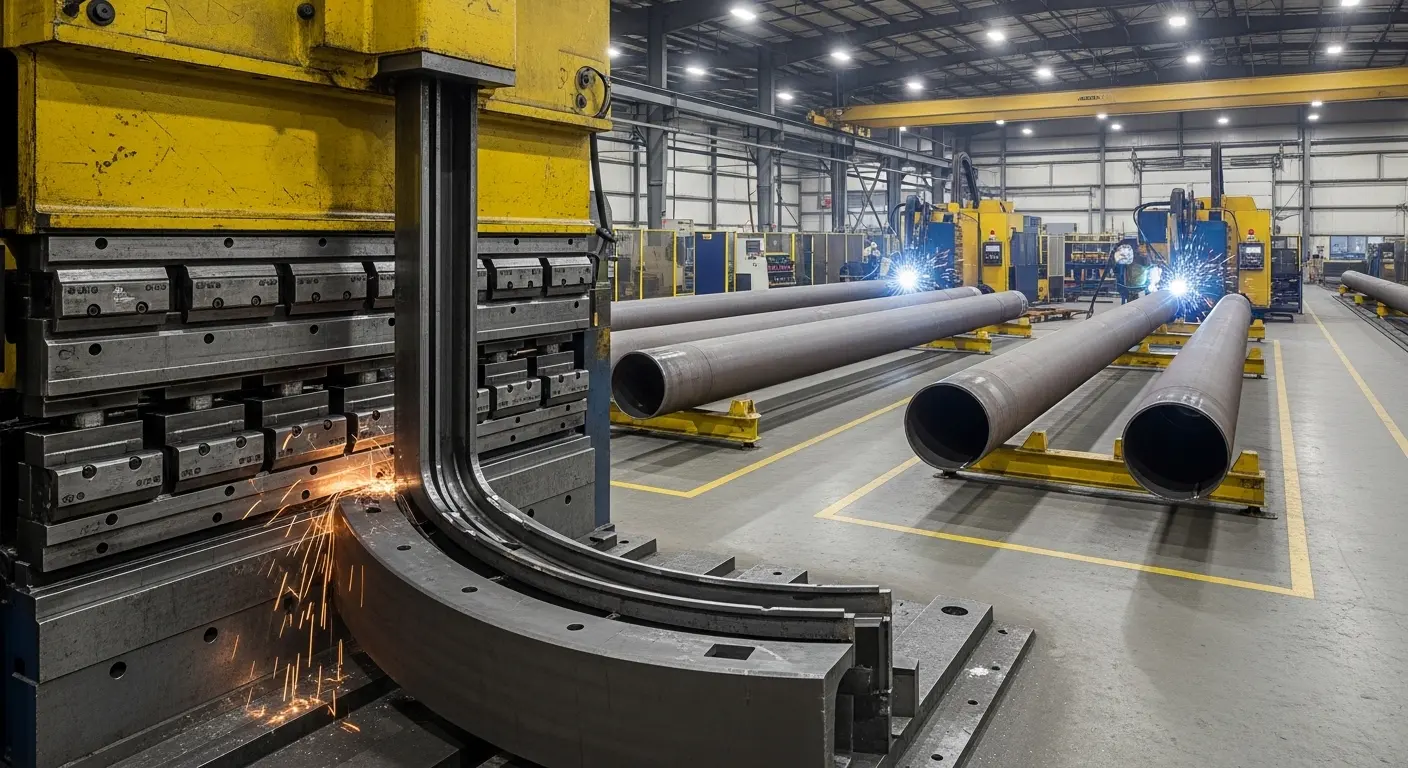
あるポールベンディングプレスブレーキ はポール製造の中核です, しかし、生産ライン全体には、全体的な生産能力や品質に影響を与えるいくつかの下流プロセスが含まれています.
縦方向継ぎ目溶接 — 形成後, ポールシームは専用のシーム溶接ステーションで、浸水アーク溶接を用いて溶接されます (ソー) 厚いプレートには、薄い壁柱にはMIGを使います. 溶接品質は完成したポールの構造的強度に直接影響します.
まっすぐにする — 長棒は溶接後に溶接熱の歪みによりわずかな反りやスイープが生じる傾向があります. 油圧式ストレートニングプレスは、次の工程の前にこれらの変形を修正します.
フランジとベースプレート溶接 — ベースフランジ, トップキャップ, アクセスドア枠は成形されたポールセクションに溶接されています. これらの二次的な作業には、曲げラインのそばに固定器具や溶接機器が必要です.
表面処理 — 街灯の電柱や電柱は通常、腐食防止のために熱浸亜鉛メッキされています. 装飾用ポールには粉末コーティングや塗装システムが使われます. 成形および溶接作業の後には表面処理が行われます.
ショップの調達ポールベンディングプレスブレーキ フルライン対応能力に加え、プレスブレーキサプライヤーが下流の設備の順序付けや生産ラインレイアウトについても助言できることが確認できるはずです.
適切なポールベンディングプレスブレーキの選び方
サプライヤーと話す前に、以下の5つの選択基準を使って機械の仕様を絞り込んでください.
1. 最大ポール長を定義してください
完成した最長のポールが、シングルロングベッドマシンかタンデム構成かを決めます. 柱は最大8mまで: 6m–8mの単一機械を考えます. ポーランド人 8m–16m: タンデムセットアップを指定する.
2. 最大トン数要件を計算してください
一番厚いプレートを使ってください, 最高強度の材料, 最悪のシナリオは最長のポール. 材料の引張強度倍率を適用し、25%の安全マージンを加えます. Q345の場合、8mmで12mを重ねています, 少なくとも800トンの合計で並ぶ計画を立てる.
3. 最大のポール直径に合わせて喉の深さを確認してください
直径500mmのポールは、複数回の曲げ時にフレームをクリアするために少なくとも600mmの深さが必要です. 注文前に、最大ポール直径の仕様を確認してください.
4. 工具パッケージを指定してください
円錐形ダイセットが必要かどうか確認してください (テーパードポールの場合), 半径型金型 (円筒極の場合), または複数パスVダイ構成. 工具は別途見積もりが出されることが多いので、全体の機械コスト評価に含めてください.
5. タンデムセットアップにおける同期とクラウンの評価
タンデム構成の場合, 同期精度を確認する (±0.0ラム間1mm), クラウニングシステムタイプ (油圧または機械), また、CNCがスプリットモード独立運転をサポートしているかどうかも含まれます。. これらの特徴は完成したポールの品質や機械のROIに直接影響します.
ポールベンディングプレスブレーキに関するよくある質問
ポールベンディングプレスブレーキとは何か?
ポールベンディングプレスブレーキは、街路灯用に鋼板を円筒形または円錐形のポール形状に曲げるよう設計された、重装備のCNC油圧プレスブレーキ(単独またはタンデム)です, ハイマスト, 効用, 旗竿製造. 複数回の曲げシーケンスと特殊な半径または円錐型金型を用いて、プレートを段階的に閉じたプロファイルに成形し、継ぎ目溶接に適した状態に仕上げます.
ポールベンディングプレスブレーキに必要なトン数?
トン数はポールの長さによって異なります, 板の厚さ, および材料等級. 200T×6m単機は最大5mmのQ235鋼材を扱い、8mまでの極に対して対応可能です. より長く太いポールは、プレート仕様に応じて合計トン数が600トンから2200トンまでのタンデム構成を必要とします.
シングルポールとタンデムポールベンディングプレスブレーキの違いは何ですか??
1台の機械は1台のロングベッドプレスブレーキを使用します (4m–8m) 短い極の場合. タンデムセットアップは、マスターCNCコントローラを介して2台の機械を接続し、8m〜16mのベッドを合成します, より長いポールをより高い総トン数で生産できるようになった. タンデムマシンはスプリットモード動作もサポートしており、両機が異なるジョブで独立して作業できるようにします.
ポールは何回曲げる必要があります?
通過回数は極の直径と板の厚さによって異なります. 直径300mmの棒を4mmの板から作るには、通常10〜14回の曲げ加工が必要です. 直径500mmの大きな柱で6mmの場合は16〜20回の通過が必要になることがあります. 円錐極は半径が板長に沿って変化するため、より多くのプログラミング複雑さが必要です.
標準的なCNCプレスブレーキはポールベンディングに使えますか?
標準的なプレスブレーキは、限られた長さとより小さな直径で単純なポールを製造できます, しかし、喉の深みが欠けています, ベッドの長さ, クラウン補償, 専用の専用工具ポールベンディングプレスブレーキ 機械は提供します. 6m以上の商業用ポール製造、または4mm以上の板厚の場合, 専用に設定された機器は、はるかに優れた結果をもたらします.