
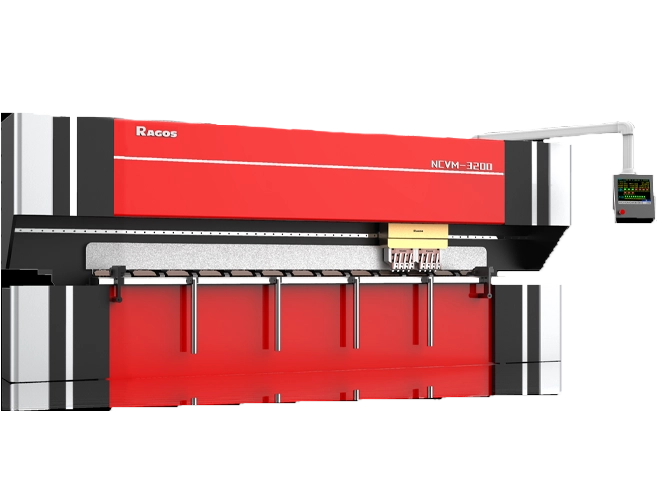


大型トン数プレスブレーキ: ヘビーデューティベンディングの完全選択ガイド
大型トン数のプレスブレーキは、単なる標準機械の大型化版ではなく、全く異なる種類の装置です, 材料厚のために設計されています, 曲げ長さ, そして、標準的なプレスブレーキが満たせない力の要求. このガイドでは、最適な機械を用途に合わせるための明確な4クラスのトン数フレームワークを紹介します. 最後に, どのトン数クラスが自分の仕事に合っているかがわかります, 評価すべき仕様, そしてサプライヤーにどの構成を依頼すべきか.
プレスブレーキで大トン数とみなされるものは何でしょうか
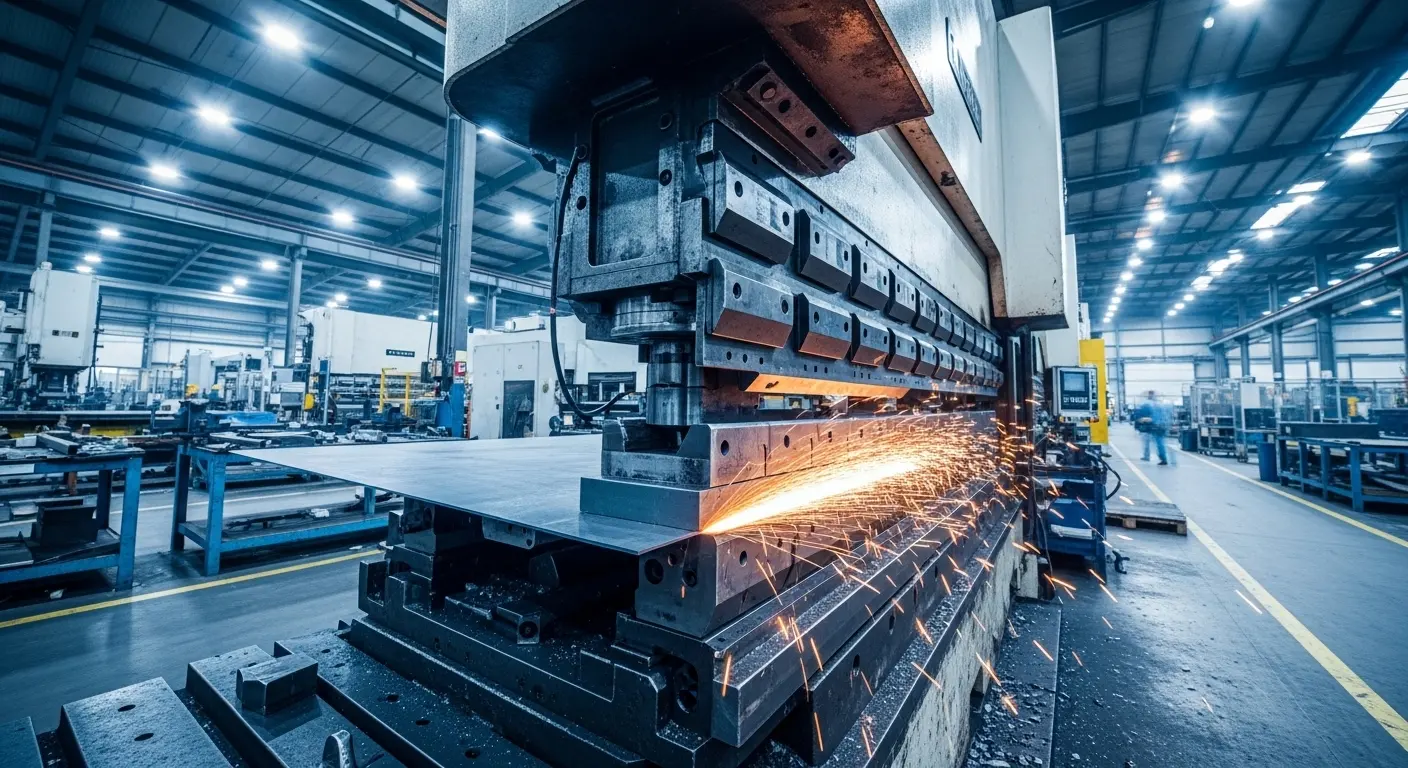
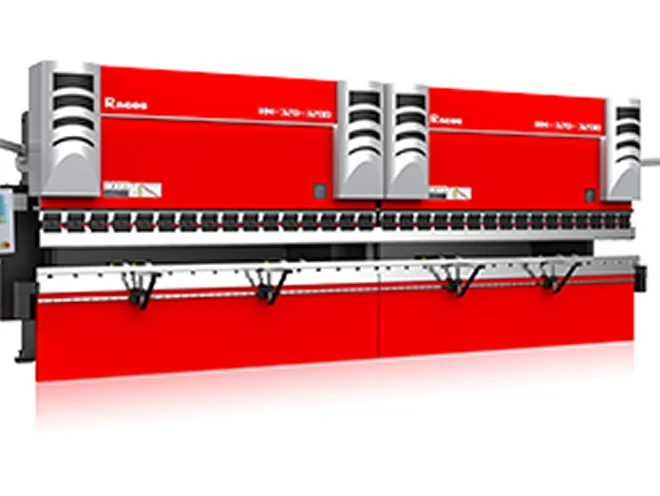
大型トン数のプレスブレーキは300トンから始まります. ほとんどの製造工場は日常作業で100〜400トンの範囲で運営されています, しかし300Tが機械設計の閾値となります, フレームエンジニアリング, そしてCNCシステムの要件は大きく変化します.
選考を容易にするため, 業界は4つの実践的なクラスに分けられます:
| クラス | トン数レンジ | 典型的な板厚 | 主な用途 |
|---|---|---|---|
| ヘビー | 300–499T | 6–12mm | 構造用鋼, 建設部品 |
| スーパーヘビー | 500–799T | 12–20mm | 圧力容器, 重機 |
| ウルトラヘビー | 800–1,499T | 20〜35mm | 風の塔, 大型産業用フレーム |
| メガ | 1,500T | 35mm | 造船, タンデム構成 |
競合他社の記事はこれらのクラスをこのように定義しておらず、多くの購入者は明確に線引きがされていないために過剰に指定したり過小評価したりしてしまいます.
大トン数プレスブレーキに依存する産業
大型トン数のプレスブレーキは、材料の厚さや部品サイズが標準機器の限界を超える産業に用いられます. 世界のプレスブレーキ機械市場は2026年に8億200万米ドルに達し、1米ドルに達すると予測されています,2033年までに2億1120万人 — 成長はほぼ完全に重工業の需要によって牽引されています.
主要なセクターとそのトン数要件は以下の通りです:
- 造船 — 船体装甲および隔壁パネル; 通常は500Tから2台まで,000T+
- 風力エネルギー — タワーフランジとベースプレートリング; 通常は800Tから1台,500T
- 重工 — 構造梁, 柱, およびブリッジコンポーネント; 通常は400Tから800Tです
- 鉄道と交通 — 台車フレームと車体パネル; 通常は300Tから600Tです
- 圧力容器と石油化学 — 厚壁シリンダーシェル; 通常は600Tから1台,200T
- 重機製造 — クレーンの紋章, ショベルカーフレーム; 通常は400Tから800Tです
標準的な機械が不十分な理由
標準的なプレスブレーキでは、繰り返しの極端な荷重に対して必要なフレーム剛性を維持できません. ベッドの長さで, 定格能力を持つ機械でも、標定されたトン数の60〜70%まで減衰します。つまり、250トンの標準機械は長いカーブで150〜175トンの有効トンしか運べません. 大型機は強化されたサイドフレームで設計されています, 精密地面ガイド, そしてこれらの条件下での精度を保つためのアクティブクラウニングシステム.
4つのトン級の解説
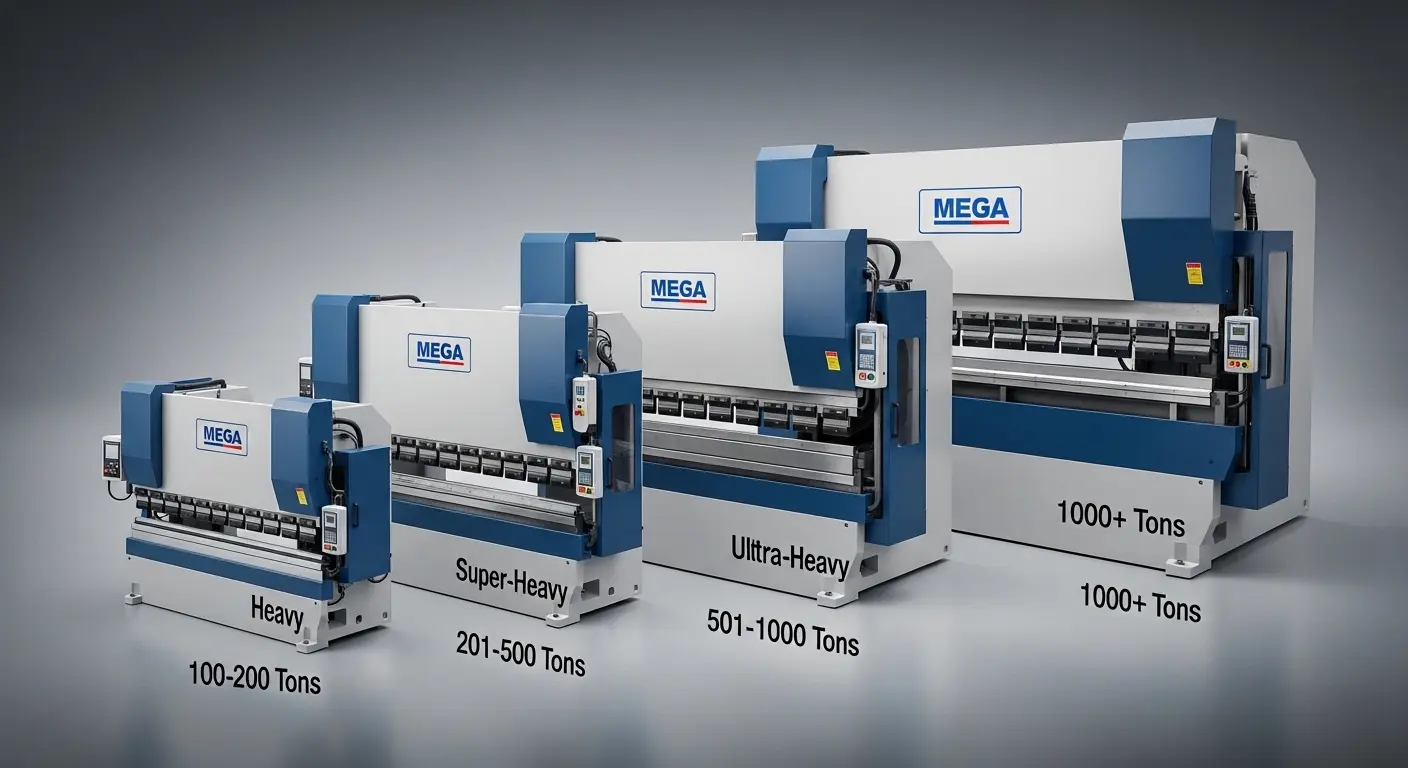
どのクラスが自分の仕事に合っているかを理解することで、投資不足や過剰生産を防ぎます. 各クラスは異なる機械設計要件を持っています, 制御システムの要求, および工具規格. CNCプレスブレーキは、軽量作業用の40トンから2トン以上のものまで提供されています,000 重プレート作業のためのトン.
ヘビークラス (300–499T)
ヘビークラスは構造用鋼製造工場の大部分をカバーしています. これらの機械は、曲げ長さ3〜5メートルで6〜12mmの軟鋼または4〜8mmのステンレス鋼を扱います. これらはブリッジのサブコンポーネントの入り口となります, ヘビーキャビネットフレーム, 大型農業機械パネル.
このクラスの購入者は油圧またはハイブリッドのサーボ油圧駆動が必要です. このトン数帯では、フル電動プレスブレーキは商業的に実現可能ではありません.
スーパーヘビーからメガクラスへ (500T以上)
500トン以上, 油圧駆動が標準です. このシリーズの機械は、より重い鋼製溶接部で組み立てられています, より大きなシリンダーボアを履修, 長い曲がり角の一貫性を維持するために、能動的な油圧クラウディングが必要です.
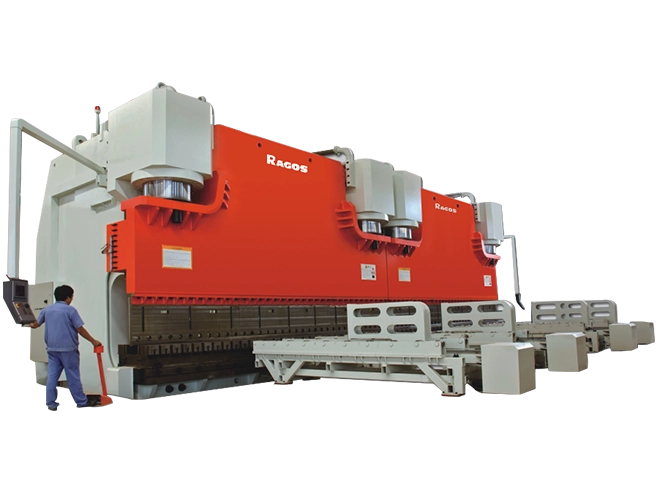
メガクラス (1,500T) ほとんどの場合、タンデムまたは同期構成が関わっています. A 6,500トン/18メートルのタンデムCNCプレスブレーキは、超大型造船用途向けに成功裏に開発・導入されており、世界最大級の構成の一つです.
クラス比較表
| クラス | トン数 | 板の厚さ | ベッドの長さ | 構成 | ベスト・フォー |
|---|---|---|---|---|---|
| ヘビー | 300–499T | 6–12mm | 3〜5m | シングル | 構造用鋼, 建設 |
| スーパーヘビー | 500–799T | 12–20mm | 4〜7メートル | シングル | 圧力容器, 機械 |
| ウルトラヘビー | 800–1,499T | 20〜35mm | 6〜10メートル | シングル/タンデム | 風の塔, 沖合 |
| メガ | 1,500T | 35mm | 10m | タンデム | 造船, 重いプレート |
大トン数の曲げに使われる機械の種類
すべての大型トン数プレスブレーキが同じ駆動システムを使用しているわけではありません. 適切なタイプはトン数クラスによって異なります, 生産量, および部品複雑性.
- 油圧式CNCプレスブレーキ — 300T以上の主流タイプ; ベッド全体にわたって一貫した力を供給します; 極端な負荷下での信頼性が証明されているため、500トンに好まれます
- ハイブリッドサーボ油圧式 — 最大で約400〜500Tまで使用可能; フル油圧よりも省エネルギーを実現; 厚板と中板を混在させる作業場に適しています
- タンデムプレスブレーキ — 並列で動作する2台の同期機械; 単一の機械で必要なベッド長をカバーできない場合に使用されます; 8メートル以上で一般的な音
- フル電動プレスブレーキ — 標準生産で300Tを超える商業化はまだありません; 軽量用途に限定
300〜500Tおよび500T以上の市場セグメントにおいて, 油圧は依然として主要な駆動カテゴリーです.
大型マシン1台よりタンデムを選ぶべき時
曲げ幅が常に8メートルを超える場合、タンデムセットアップは理にかなっています, 部品の形状が単一機械でのアプローチを妨げています, あるいは生産量が複数の部品を同時に曲げる必要がある場合もあります. そのトレードオフは床面積です, 同期の複雑さ, および初期投資. 私たちの重工製造構成評価の経験から, 造船や洋上風力の買い手はほぼ常に6メートルの曲がり要求を超えるタンデム、つまり単一の1,000その長さの-トンマシンは、ほとんどの標準供給業者が満たせないベッド工学仕様を必要とします.
購入前に評価すべき主な仕様
定格トン数だけで大トン数のプレスブレーキを選ぶのは、最も一般的な購入ミスです. いくつかの仕様は同等に重要で、実際に使える力の量に直接影響するものもあります. 機械サイズ別の詳細内訳は, ザプレスブレーキ容量ガイド コア仕様を完全にカバーしています.
厚板のトン数計算
曲げ力のDIN標準式は次の通りです:
F=1.54×Rm×S2×LV×1000 kNF=V×10001.54×Rm×S2×LkN
ここで Rm = 引張強度 (MPa), S = 厚さ (ミリメートル), L = 曲げ長 (ミリメートル), V = Vダイオープニング (ミリメートル).
実例として: 20mm軟鋼を曲げる (Rm = 400 MPa) 3時,000長さ160mmのV型ダイ開口部は約924 kNとなります (3メートル×94トン/メートル). 推奨される30〜50%のオーバーヘッドバッファを追加します, この作業だけでも最低400Tの性能を持つ機械が必要です. 以下のトン数計算機 指定する前に自分の数値を計算すること.
定格トン数を超えて確認すべき主な仕様:
- ベッド全長での使用可能なトン数 — 満床時の定格の60〜70%まで減衰
- ベッドの長さ — 標準4〜14フィート; それ以上はカスタムの長さが必要
- ストローク長と開口高度 — 大きな金型クリアランスに不可欠です
- フレーム剛性評価 — 大トン数の中で最も見過ごされがちなスペック; 揺るぎないフレーム剛性は、極限の荷重下でも精度を保ちます
- クラウンシステム — 500Tではアクティブ油圧クラウニングは交渉不可です
大型トン数プレスブレーキ上のCNC制御システム
適切なCNCシステムがなければ大型のトン数の機械は、その精度の利点を大きく失います. 制御システムの選択は、曲げ再現性に直接影響します, 準備時間, および自動化準備.
- デレム DA66S — 2D/3Dグラフィカルタッチスクリーンプログラミング, 24" TFT表示, センサーの曲げと補正インターフェース; 複雑な厚板作業や超重から超重級の機械に好まれるシステム
- デレム DA53T — 15" タッチスクリーン, 標準的なヘビークラス生産用に、クラウニングコントロールと閉ループ/開放ループバルブサポートを備えた堅牢な仕様です
- ESA S840/S850 — 最大6軸まで, EtherCAT/CANopen インターフェース, リアルタイムOS; 自動化された重トン生産ラインでの使用
500T以上の機械向け, 最低でも4軸のバックゲージ制御が推奨されます. 複数の曲げシーケンスを持つ複雑な部品プログラムでは、厚い板を曲げ間で正確に位置付けするために追加の軸柔軟性が必要です. ザ4軸対8軸ガイド 自動化投資を検討している購入者向けにAXIS構成を詳細に説明します.
適切な大型トン数プレスブレーキの選び方
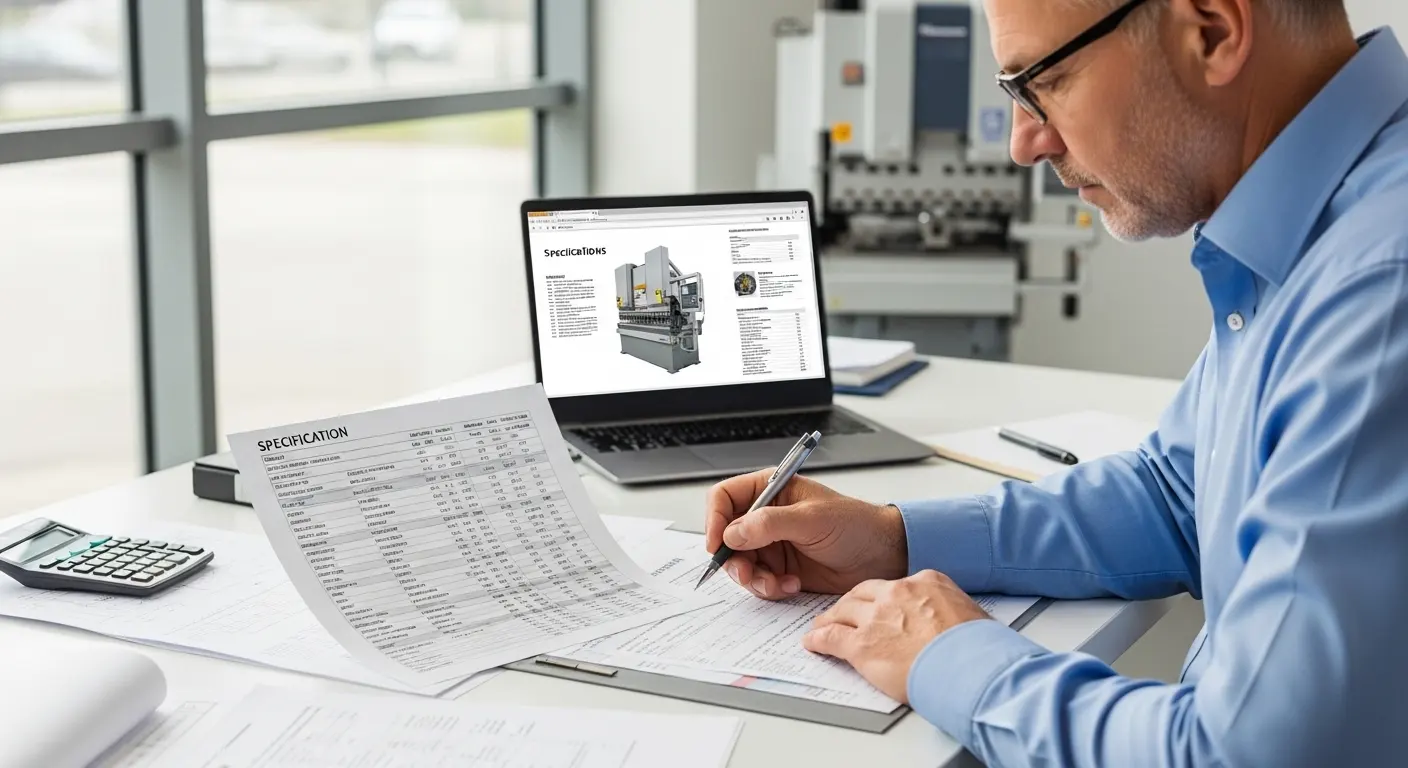
この6段階のフレームワークに従って、適切な仕様に到達しましょう:
- 最大曲げ力を計算してください — 最も厚い材料には上記のDIN式を使います, 最長の曲がり, そして最強ダイ開口部
- 30〜50%のトンバッファーを追加してください 計算された最大値を超える
- 結果をトン数クラスに合わせてください — 上記のクラス表を使ってヘビーを識別します, スーパーヘビー, ウルトラヘビー, あるいはメガ
- 決めて: 単一機械またはタンデム — 曲げ長さが定期的に8メートルを超える場合, タンデムが実用的な答えです
- CNCシステムを選択 — 複素ジオメトリ用のDA66Sです; 生産用DA53T; ESA S840による自動化統合
- フレームの剛性とベッドの減格仕様を確認してください — 供給業者に、ベッド全体の長さでの使用可能なトン数を尋ねてください, 定格容量だけでなく
重工業プロジェクトの評価に基づく, 買い手が犯しがちな最大の間違いは、今日の仕事に特化してしまうことです, 計画された次の5年間の容量ではありません. 毎日定格トン数の90%で稼働する機械は、時間とともに摩耗が早く、精度も低下します. 現在の最大職種より1クラス高いクラスを購入するのは、マシンが20年間動くならば、ほとんど悪い判断ではありません.
探索重装備プレスブレーキ構成 または300トンCNCプレスブレーキ ヘビークラスの出発点として. CNCプレスブレーキ製品全範囲について, ザCNCプレスブレーキの概要 利用可能なすべての構成をカバーしています.
FAQ
Q1: プレスブレーキとしては大トン数とみなされるもの?
大型トン数のプレスブレーキは一般的に300トン以上の定格を持つ機械と定義されます. ほとんどの標準的な製造工場は100トンから400トンの範囲で運営されています, 300Tは機械設計のポイントとなります, フレームエンジニアリング, CNCの要件は重装備仕様へと移行します. 1以上の機械,500Tは通常、造船や洋上産業で使用されるタンデム構成です.
Q2: 大トン数プレスブレーキを使用している産業?
主要産業は造船業です, 風力エネルギー, 重い構造, 圧力容器製造, 鉄道機器, および重機の生産. 各部門には異なるトン数要件があり、造船業ではしばしば500トン対2トンの要求があります,000T+, 構造工事は通常400Tから800Tの範囲にあたります.
Q3: 300トンと500トンのプレスブレーキの違いは何ですか??
300トンの機械は標準的なベッド長で6〜10mmのプレートを扱い、構造用鋼の製造に適しています. 500トン級の機関車がスーパーヘビー級に加わりました, 12–20mmの板と長いベッド長の取り扱い, より重いフレーム構造と大型の油圧シリンダーで製造されています. CNCシステムの要件や工具仕様も両クラス間で大きく異なります.
Q4: 大型のプレスブレーキは薄い板金加工にも対応できますか?
技術的にはそうです, しかし、それは理想的ではありません. 500Tの機械を5%の容量で運転すると、制御感度の課題が生じ、薄い材料の金型摩耗リスクが高まります. 厚板と薄板の両方を扱う工場向け, 2機のアプローチ、つまり1台は大型トン数、もう1台は標準機で、はるかに実用的かつコスト効率が良い.
Q5: これまでに作られた中で最大のプレスブレーキは何だ?
A 6,500トン/18メートルのタンデムCNCプレスブレーキは超大型造船用途向けに開発されました. この構成は現在の商用プレスブレーキ工学の上限を示し、単一の機械では扱えない船体板や構造断面の曲げに用いられます.
次に何をすべきか
大トン数のプレスブレーキの選択肢は三つの要素に集約されます: あなたの素材や用途に合った適切なトン数クラス, 曲げ長の要件に合った機械構成, そして生産の複雑さに合ったCNCシステム. 油圧駆動が300トン以上で優勢であるのは正当な理由です。極限の負荷下での信頼性と力の一貫性は譲れません. サプライヤーに連絡する前に, 必要な力を計算してください, 30〜50%の間接費を加えます, そして、単一機械かタンデムのどちらが施設に合うかを判断します. ザヘビーデューティプレスブレーキのレンジ JS RAGOSでは、ヘビーからウルトラヘビークラスまで、フルCNC構成オプションをカバーしています.