


産業用金属加工機械: 完全ガイド
産業用金属加工機械は、切削を行う装置のカテゴリーです, 形態, 溝, and bends sheet metal into finished components — and the global market for this equipment reached $73.5 billion in 2024. ほとんどの工場は生産量に対して間違った順序や組み合わせで機械を購入し、資本を浪費しています. このガイドでは、機械の種類について完全な概要を提供しています, 産業用機械ミックス選択表, 生産ラインの連番, 2026 automation trends, 各機械カテゴリへのリンク. RAGOSの機械ラインナップの全体像については, 私たちのサイトをご覧ください。金属加工機器メーカーのページ.
産業用金属加工機械の5つのコアタイプ
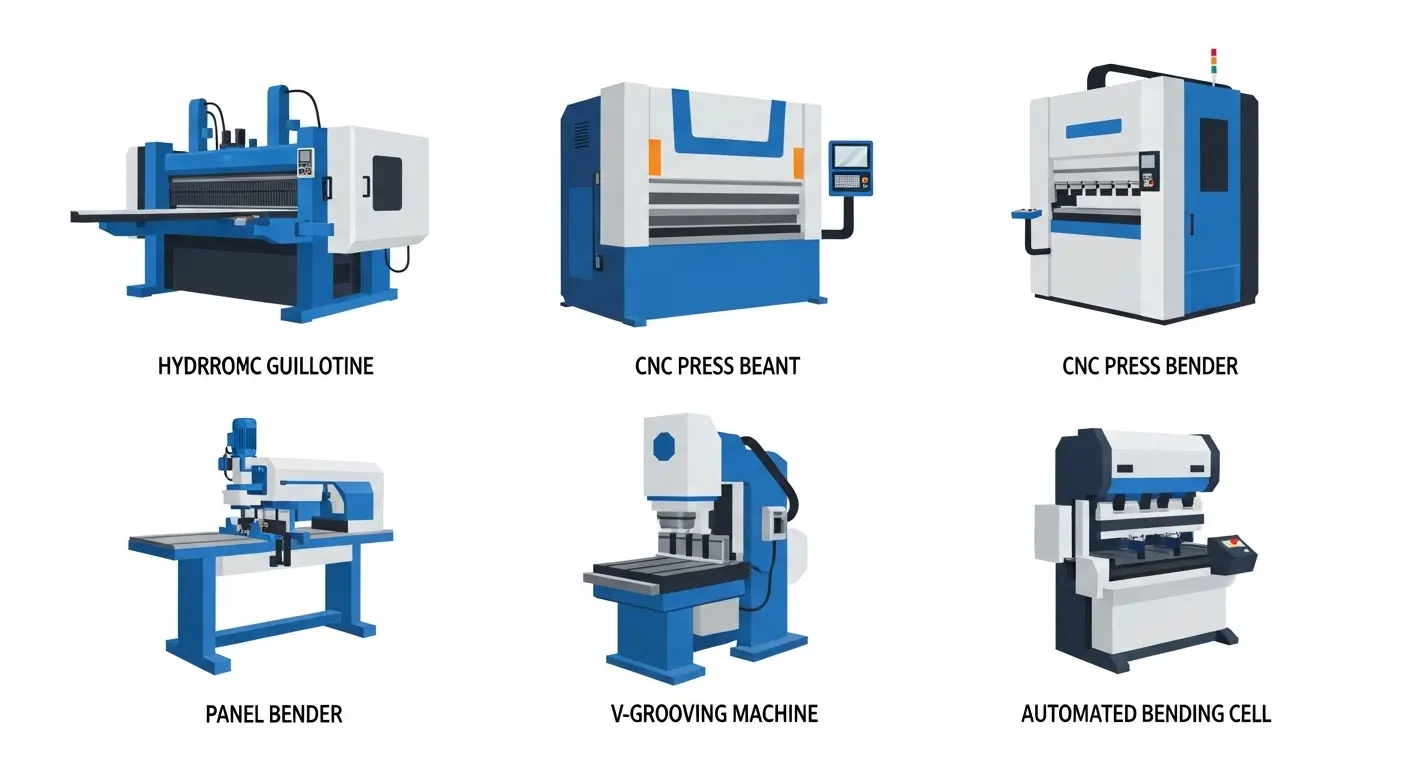
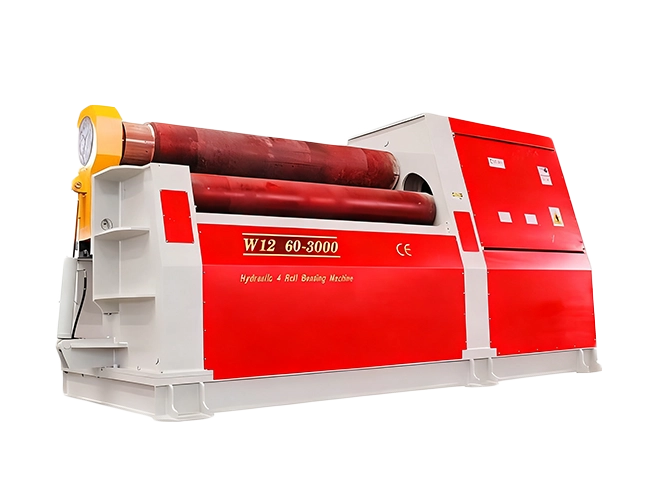
産業用金属加工機械の5つの中核タイプは以下の通りです。: せん断機, CNCプレスブレーキ, パネルベンダー, V溝加工機, および曲げ細胞. 各タイプは生産ラインの特定の段階で特定の機能を果たします. 一つの機械が他に取って代わるものはなく、両者は組み合わせて機能します.
| 機械の種類 | 主な機能 | 主な応用例 |
|---|---|---|
| せん断機 | 直線シート切断 | ブランク調製, シートサイズ |
| CNCプレスブレーキ | 精密角度曲げ | 囲い, 構造部品, HVAC |
| パネルベンダー | 高速自動成形 | 大量パネル, 家電 |
| V溝機械 | 曲げる前の溝の刻み | 鋭角パネル, 家具, エレベーター |
| 曲げセル | 自動多段曲げ | 大量生産の繰り返し生産 |
ほとんどの新しい製作工場の出発点は、せん断機とCNCプレスブレーキです. パネルベンダー, V溝加工機, また、日々の生産量が増加し生産要件がより具体化するにつれて、曲げセルも追加されます. 利用可能なCNC金属曲げ機器の全体像をご覧ください, 私たちのサイトをご覧ください。CNC曲げ機器カテゴリ.
産業用金属加工機械が生産ラインとしてどのように機能するか
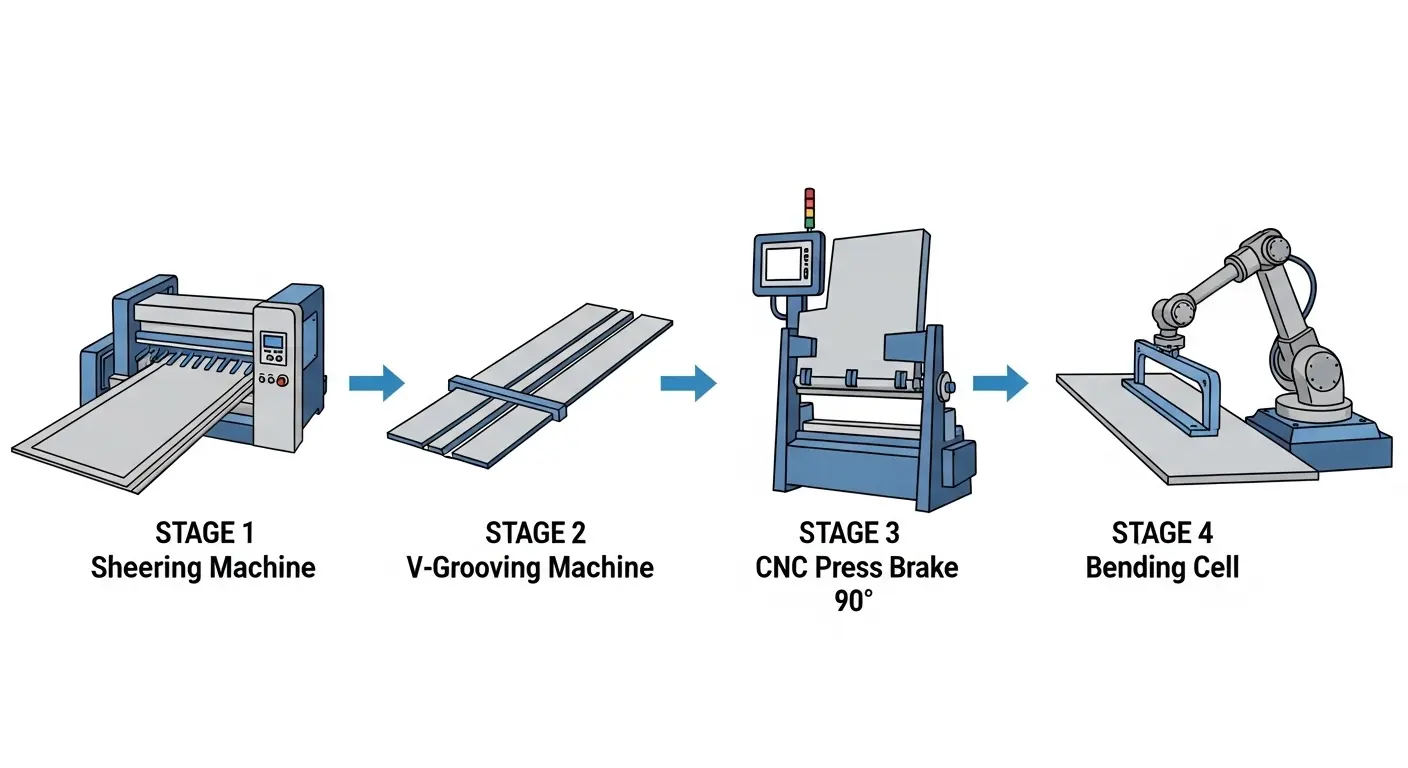
産業用金属加工機械は4段階の連続で動作します: せん断機は空洞をサイズに切ります, V溝機械は必要に応じて溝線を刻む, CNCプレスブレーキやパネルベンダーが角度を形成します, そしてベンディングセルは大量生産のために全曲げシーケンスを自動化します. この順序を理解することで、資本計画の最も一般的な誤りの一つである、切断段階が整う前に曲げ機を購入することを防ぎます.
こちらが標準的な生産ラインの手順です:
- せん断 — シートを空白の寸法に切り出してください. 油圧ギロチン剪断機は、3〜6mのベッド長で最大12mmの軟鋼を扱います.
- Vグルービング — 曲げる前に空白の面にV字型のチャンネルを刻む. これにより曲げ線の実効材料厚が減少し、割れなく鋭い外角が作られます.
- ベンディング — 複雑または少量作業用のCNCプレスブレーキ; 高ボリュームでのシンプルなプロファイル用のパネルベンダー.
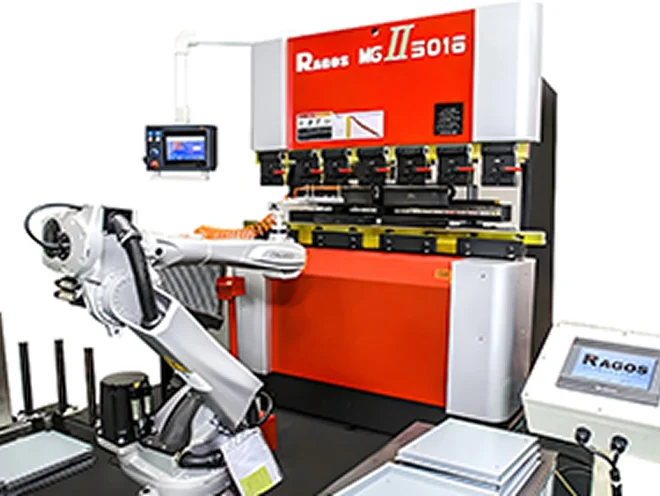
- 曲げセル (任意) — Robotic automated bending for shops running 500+ identical parts per day.
生産工場向けに製造ラインを構成した経験から, V字溝は最も見落とされがちなステップです. これを省略した店舗は、外側半径の角が厚くなり、ディスプレイパネルやエレベーターの裏打ちに目立つ曲がり跡を残し、これらは再加工や廃棄が必要となる欠陥です.
V溝がせん断と曲げの間の位置
V溝加工は、シートの裏面にある溝内の材料を除去します, 曲げ線での実効厚さの減少. これにより、外面の表面に亀裂が生じることなく、90度の鋭い外角を作ることができます. エレベーターパネルでは標準的な運用です, 展示ケース, 家具ハードウェア, 建築外装の生産. 外部の角の鋭さや表面品質が求められる製品を製造する工場向け, せん断と曲げの間にはV溝加工機が配置されます.
業界別の適切な機械ミックスの選び方
適切な産業用金属加工機械の組み合わせは、各機械タイプを1台ずつ購入するのではなく、あなたの業界や日々の生産量によって決まります. HVAC工場ではせん断に加えてプレスブレーキやパネルベンダーが必要です. 電気囲い作業場はせん断が必要です, プレスブレーキ, Vグルーバー. Structural steel shops need heavy-duty press brakes above 300 tons, パネルベンダーではありません.
| 産業 | せん断 | CNCプレスブレーキ | パネルベンダー | Vグルービング | ベンディングセル |
|---|---|---|---|---|---|
| HVACダクト | ✅ | ✅ | 随意 (200+/day) | — | 1日500ドルで |
| 電気的な囲い | ✅ | ✅ | 随意 (200+/day) | ✅ | 1日500ドルで |
| 家具用ハードウェア | ✅ | ✅ | — | ✅ | — |
| 自動車用トリム | ✅ | — | ✅ | 随意 | ✅ |
| 構造・構造 | ✅ | ✅ ヘビーデューティー | — | — | — |
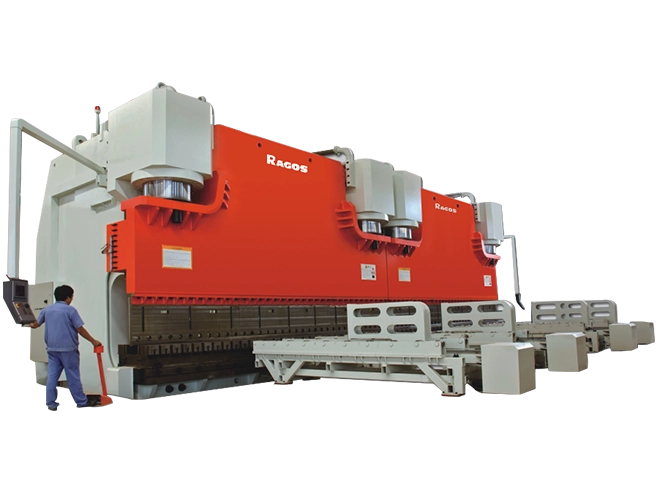
構造製作および20mm以上の重板作業用, 標準プレスブレーキは必要なトン数に対応していません. 我が600トンCNCプレスブレーキ 構造用鋼材専用に設計されています, ボイラープレート, 標準機械の容量制限に達する建設用曲げ.
CNCプレスブレーキ — あらゆる製造工場の核となる
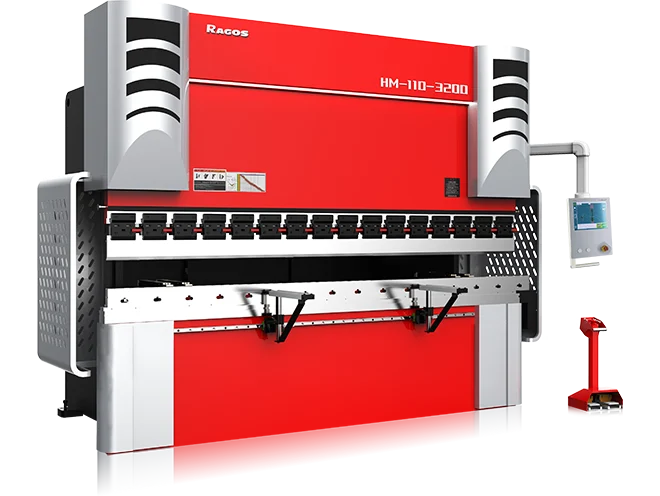
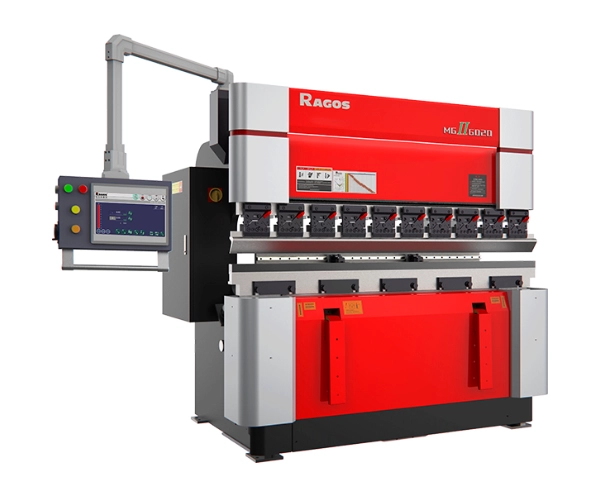
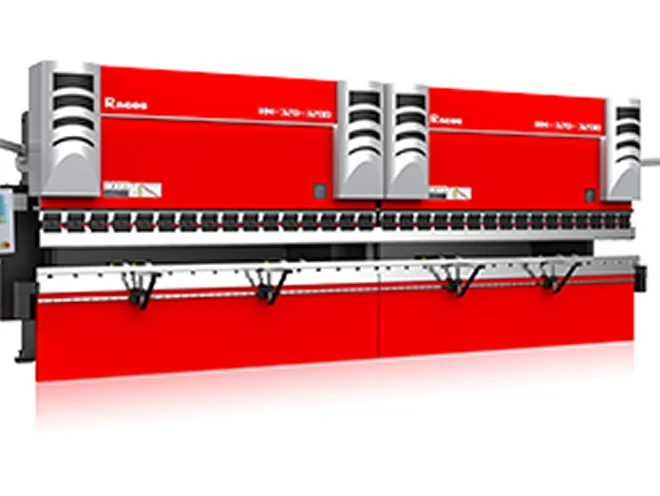
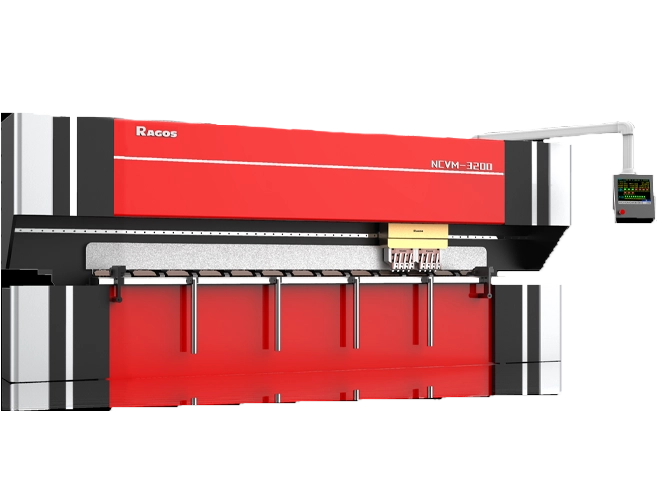
CNCプレスブレーキは、どの製造工場でも最も多用途な機械です. 適切な金型とトン数構成であれば、0.5mmのアルミシートから20mmの軟鋼板まで対応可能です. ほとんどの小規模から中規模の製作工場向けに, CNCプレスブレーキは最初の大きな投資であり、最も幅広い作業を処理する機械です.
CNCプレスブレーキの主要な購入基準:
- トン数 — 材料の種類×厚さ×曲げ長によって決定されます; use the formula P = 650 × S² × L / V
- CNC軸数 — 標準作業用は3軸; 6–8-axis back-gauge for complex multi-bend profiles
- 角度補償 — アルミニウムに必要です (1–2° springback) および高強度鋼 (5–7° springback)
- コントローラ — デレム DA-66T, エストゥン E21, またはESA S640が最も一般的な量産グレードの選択肢です
- ベッドの長さ — 最大ブランク長に20%のクリアランスマージンを加えたものに一致します
全トン数および仕様選択ガイド, 私たちのサイトをご覧ください。最高のCNCプレスブレーキマシンガイド.
標準プレスブレーキからパネルベンダーへのアップグレード時期
Panel benders produce up to 60 parts per worker-hour vs. 6–10 for press brakes on simple enclosure profiles. For shops crossing 200 identical parts per day with four or more bends per part, パネルベンダーは2回目のプレスブレーキよりも早くリターンが速い. その閾値以下なら, CNCプレスブレーキは、より柔軟な適用性と低い資本コストを提供します. アップグレードの決定は音量の閾値であり、品質の好みではありません.
せん断機 — すべての製造ラインの出発点
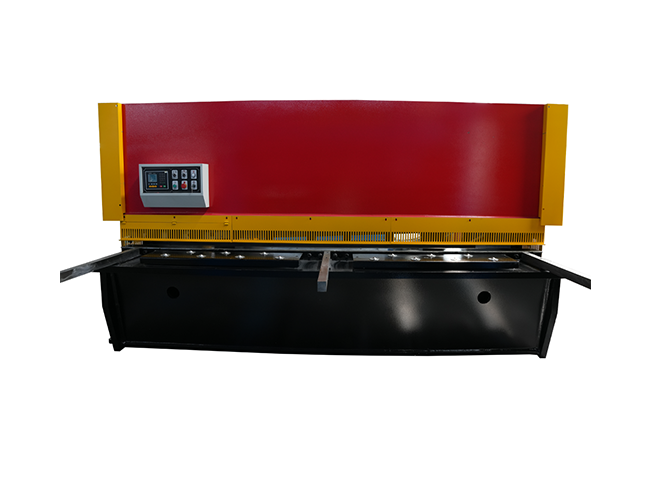
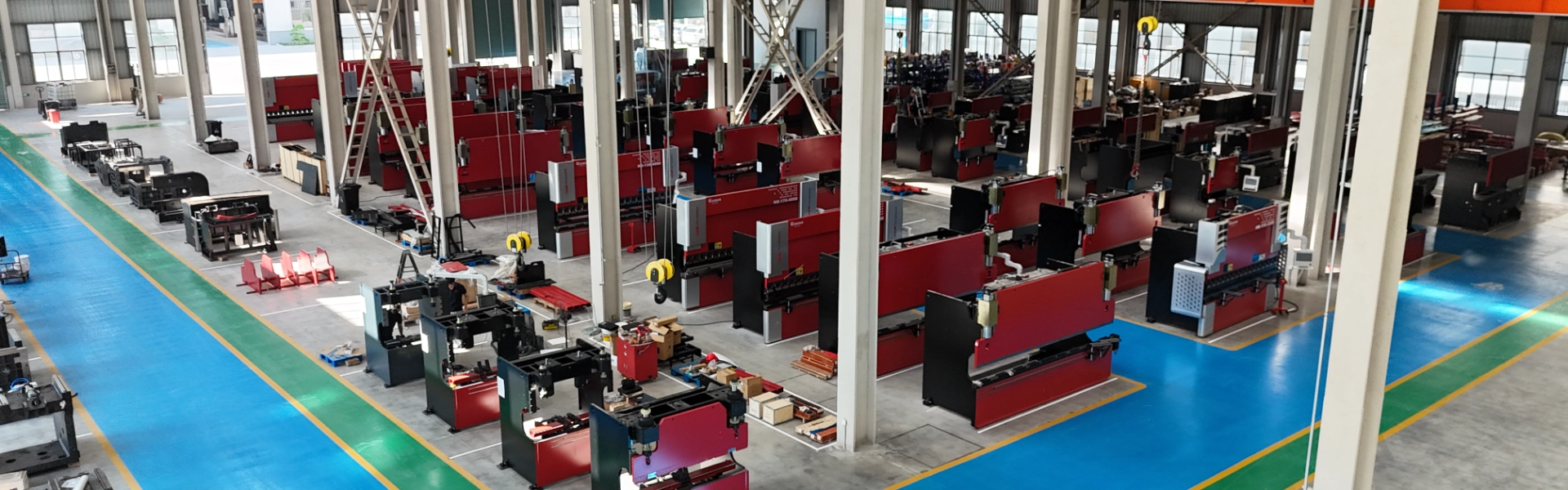
すべての製作工場はせん断機から始まります. 曲げ作業はカット・トゥ・サイズのブランクなしでは実行できず、手動切断や外注によるシート準備は生産ラインの初期段階でボトルネックを生みます. プレスブレーキの前にせん断機を購入するのが、新しい工場にとって正しい資本順序です.
2種類のタイプは異なる店舗サイズに合っています:
- 油圧ギロチン剪断機 — 柄は1〜12mmの軟鋼, 3–6m bed lengths, suitable for production facilities running daily sheet volumes above 50 blanks
- 電動せん断機 (220V) — コンパクト, 資本コストの低減, 断続的な切断が必要な小規模作業場やジョブショップに適しています
主要な購買基準: 最大材料厚さ, ベッドの長さ, 異なる材料グレードに応じたブレードギャップ調整, 生産用ブランクの再切断精度のためのCNCバックゲージ. 小規模なワークショップ予算のために, 私たちの手頃な価格の金属剪断機ガイド. コンパクトな220V電気オプションの場合, 私たちのサイトをご覧ください。電気金属剪断機のページ.
2026年産業金属加工機械の自動化動向
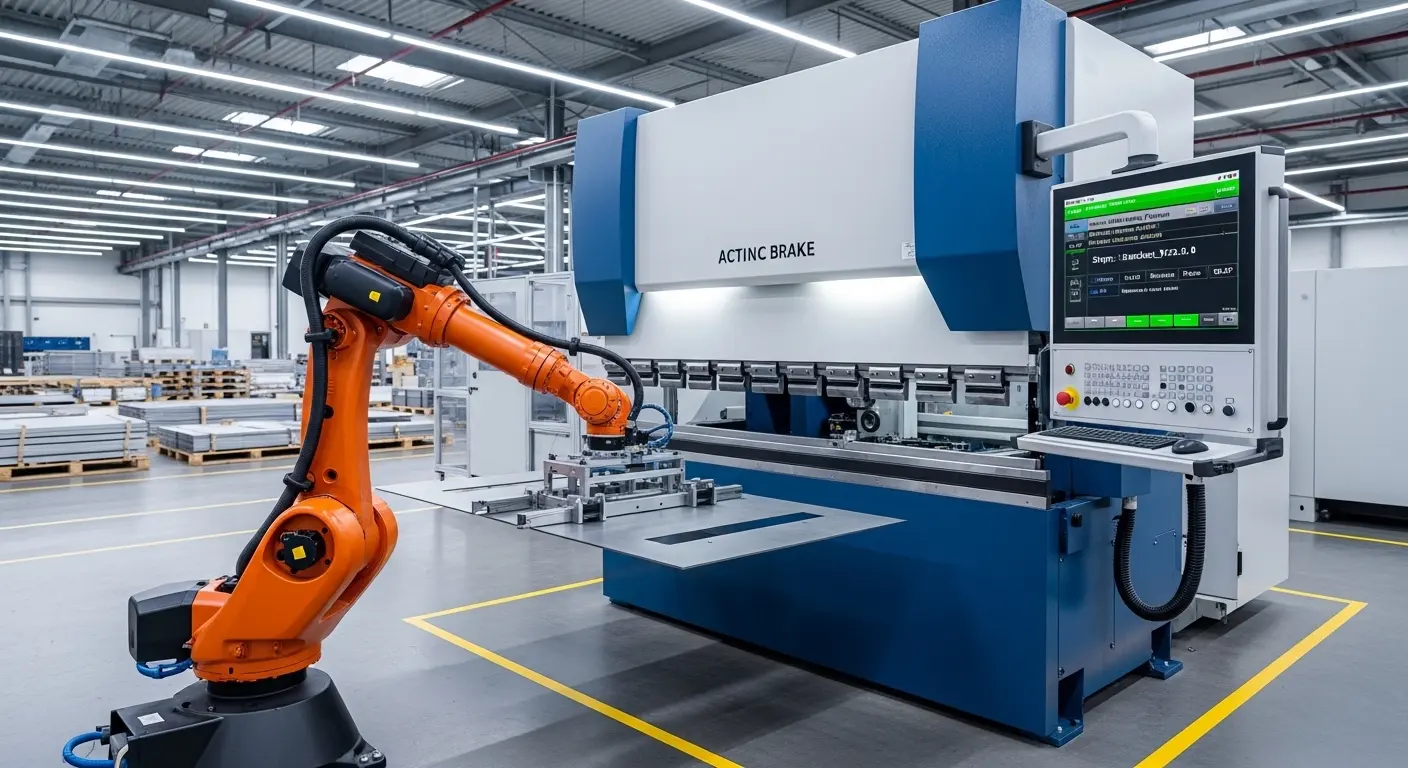
2026年, 産業用金属製造機械は3交代制で再構成されています: AI支援CNC制御, 曲げ・溶接ラインでの協働ロボット, 物理的な機械セットアップ前のデジタルツインシミュレーション. これらは長期的な予測ではなく、現在主要な製造施設の生産現場の現実です.
購入前に知っておくべき主要なトレンド:
- AI支援CNC角度補正 — リアルタイムの適応補正により、新材バッチのトライアル曲げやスクラップが削減されます; 現在は中級のCNCプレスブレーキコントローラーに標準装備されています
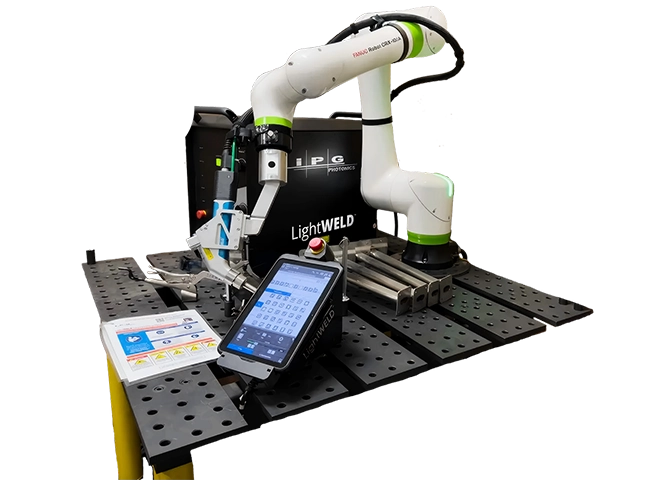
- 協働ロボット (コボット) — ブランクローディングを扱います, 部品ひっくり返し, プレスブレーキおよびパネルベンダーラインの積み重ね; オペレーターの疲労を軽減し、ほぼ連続的な生産を可能にします
- デジタルツイン — 物理的なセットアップ前に完全な曲げシーケンスをシミュレートする, 新しい仕事の異動時の機械停止時間を短縮すること
- IoT接続マシン — 遠隔監視, 予知保全アラート, 生産データダッシュボードは現在、ミッドレンジのCNC製造機器で利用可能です
- 完全自動化されたマルチプロセスセル — 構造工房は切断を組み合わせた単一セットアップ機械へと移行しています, 掘削, そして一つの自動化されたワークフローでベンディングを行うことができます
市場はこの変化を反映しています: the metalworking machinery sector stands at $298.19 billion in 2025 and is growing at 6.9% CAGR through 2030. 現在CNC機械を購入する店舗は、購入注文書に署名する前に、単なる現行仕様だけでなく、IoT接続性やソフトウェア更新機能を確認する必要があります.
RAGOS工業金属加工機械シリーズ
RAGOSは産業用金属加工機械の全ラインナップを供給しています: 油圧および電動剪断機, 40トンから600トンまでのCNCプレスブレーキ, 吸盤給餌によるパネルベンダー, V溝加工機, および自動曲げセル. すべての機械はDelemからCNCコントローラーを搭載して出荷されています, エストゥン, またはESA, 工場の試運転支援も含まれます.
HVAC全体での顧客設置に基づく, 電気的な囲い, および建設用鋼材の製造, 私たちが一貫して推奨している大文字の列は次の通りです。: せん断機から, 次にCNCプレスブレーキ, 次に部品の体積が増えるにつれてV溝機械が形成されます, then panel bender when daily output crosses 200 identical parts. 曲げセルは、曲げシーケンス全体のロボットによる自動化が次の生産性向上の目標となるときに追加されます.
生産マネージャーが資本機器リストのどこから始めればいいか尋ねたとき, 答えはほとんど同じです: まず現在の最大のボトルネックを取り除く機械を購入し、その後に現れるボトルネックを中心に次の機械を計画しましょう. RAGOSの全機械ラインナップおよび製品仕様について, 私たちのサイトをご覧ください。金属加工機器メーカーの概要.
マシン構成の準備は整いました? 業界を教えてください, 日次生産目標, そして材料仕様 — お客様の工場に特化した機械リストと資本優先順位の順序を作成します.
よくある質問
Q1: 産業用金属加工機械の主な種類は何ですか?
産業用金属加工機械の主要な5種類はせん断機です, CNCプレスブレーキ, パネルベンダー, V溝加工機, および曲げ細胞. 剪断機はサイズに合わせてシートをカットします; プレスブレーキとパネルベンダーは角度を形成します; V溝機械は鋭い角パネルの溝線を刻みます; ベンディングセルは大量生産のための全曲げシーケンスを自動化します. ほとんどの製造工場は、これらの機械タイプを3〜4種類を生産ラインとして統合しています. へRAGOS金属加工機器の全ラインナップを見る, メーカー概要ページをご覧ください.
Q2: プレスブレーキと剪断機の違いは何ですか?
せん断機は板金を直線的に切断し、下流処理のためにブランクを準備します. CNCプレスブレーキは金属を正確な角度で曲げ、最終的な部品形状を形成します. 同じ生産ラインの異なる段階で全く異なる機能を果たします. ほとんどの製作工場では両方を使用しています: 最初に空欄を切るのは剪断機, プレスブレーキが次に形成しました. へRAGOSの剪断機の選択肢を探ってみて 空の準備のために, 商品ページをご覧ください.
Q3: 板金加工工場を設立するために必要な機械は何ですか??
最低でも, 板金加工工場にはせん断機とCNCプレスブレーキが必要です. 生産量が増加するにつれて, add a V-grooving machine for sharp-corner panel work and a panel bender when daily output crosses 200 identical parts. Bending cells with robotic feeding suit shops above 500 parts per day. せん断と曲げから始め、生産需要が増えたらラインを拡大しましょう. へ新しい工場のCNCプレスブレーキオプションを比較しましょう, 選考ガイドをご覧ください.
Q4: 産業用金属加工機械の費用はいくらか?
Entry-level electric shearing machines for small workshops start below $10,000. ミッドレンジCNCプレスブレーキ (40–100 ton) range from $15,000 to $80,000 ベッドの長さによります, 軸数, およびコントローラー. 構造板作業用の重厚な600トンCNCプレスブレーキは価格が大幅に高められています. Panel benders and bending cells represent the largest capital investment and are best justified above 200 identical parts per day. へ作業場予算に合った手頃な価格の金属剪定機の選択肢を見る, 商品ページをご覧ください.
Q5: How is automation changing industrial metal fabrication machinery in 2026?
Three changes define industrial metal fabrication machinery in 2026: AI支援によるCNC角度補償により、試行曲げやスクラップを削減します, 協働ロボット (コボット) 曲げ線でのブランク積み込みや積み重ねを扱う, そして、物理的な機械セットアップ前にベンディングプログラムを事前テストするデジタルツインシミュレーション. The metalworking machinery market is growing at 6.9% CAGR through 2030, 中規模の製造工場での自動化導入によって推進されています. 現在CNCマシンを購入する店舗は、購入前にIoT接続性とソフトウェアアップデート機能を確認する必要があります. へRAGOS 600トンのCNCプレスブレーキ(スマートCNC制御付き)を探る, 商品ページをご覧ください.
すべての製作工場を定義する三つの決断
三つの決定が、しっかりと構築された産業用金属製造ラインを形作ります. まずは, 業界に合った適切な機械タイプを選びましょう — すべて一つではなく, しかし、あなたの制作に必要な特定の組み合わせ. 第二に, 線を順番に作る: せん断先行, 必要なところで溝を刻む, 曲げた後. 三つ目, 量の増加に伴い資本を適切な順序で優先する — せん断機, 次にプレスブレーキを, 次に自動化レイヤー. The market is growing fast — $73.5 billion in 2024, heading to $105.6 billion by 2033 — and automation is reshaping every machine category. 機械ごとの購買ではなく生産ライン思考で計画する工場は、スケール可能な作業を組み立てます. 次のステップ: あなたの業界をシェアしましょう, 素材の種類, そしてRAGOSチームと共にカスタムマシン構成計画のための日々のボリューム目標.