
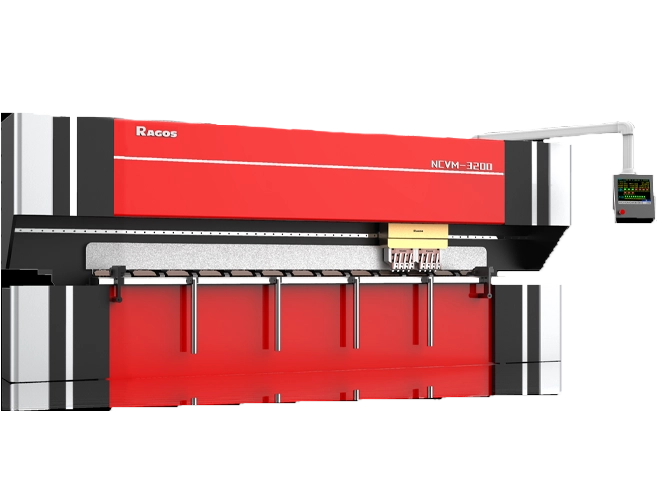



항공우주용 프레스 브레이크: 사양, 재료, 정밀 성형 선택 가이드
Not every press brake qualifies as an aerospace grade press brake. 항공우주 산업은 ±0.01mm 이내의 굽힘 정확도를 요구합니다, 티타늄 및 고강도 알루미늄 합금에 대한 반복 가능한 결과, and machine configurations that support full production traceability. A general-purpose CNC press brake — even a well-specified one — often falls short of those requirements without the right drive system, 컨트롤러, 압형, and calibration standard.
This guide breaks down what aerospace grade actually means in machine terms, what specs to look for, and how to select the right press brake for precision aerospace forming work.
What Makes a Press Brake "Aerospace Grade"?
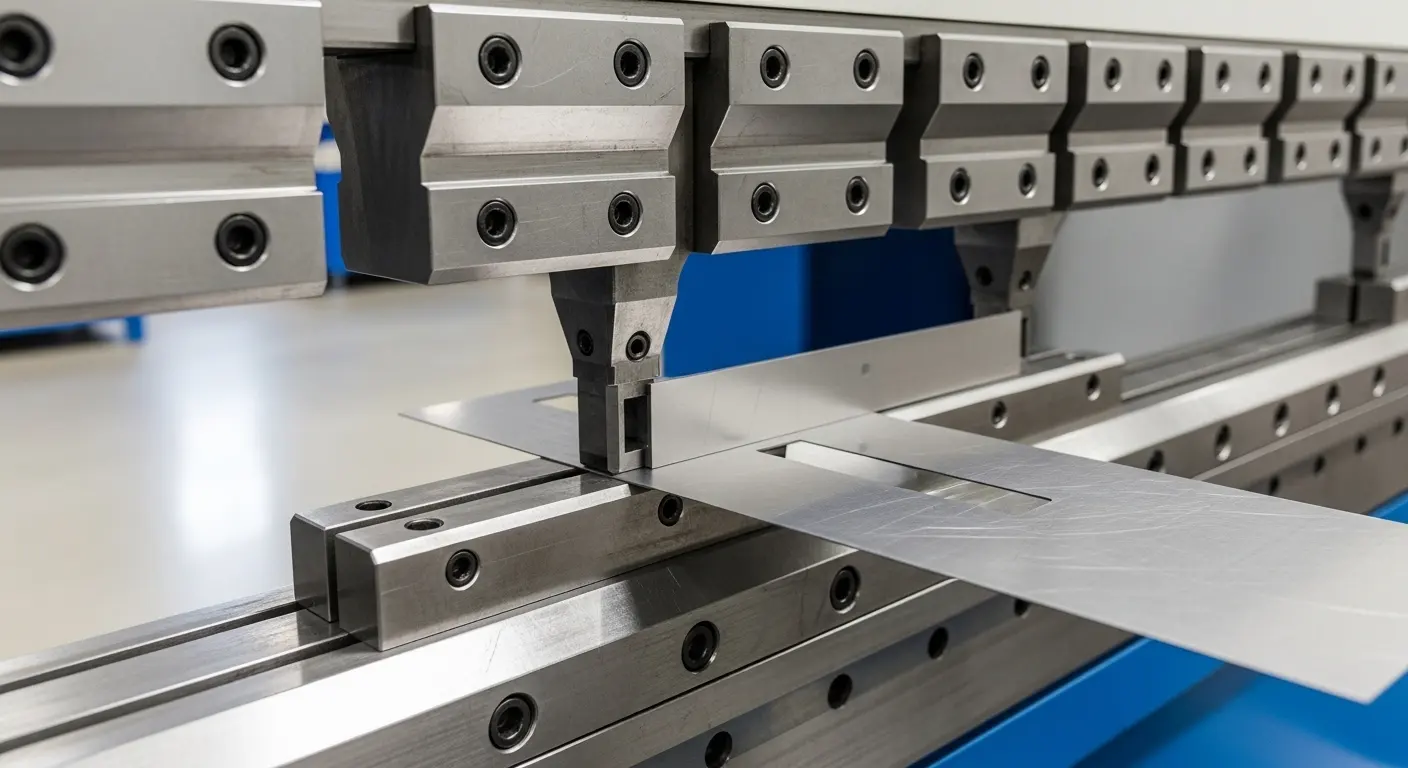
The term aerospace grade press brake refers to a machine that meets the accuracy, 반복성, and traceability requirements of aerospace manufacturing standards. It is not a marketing label — it is a specific capability threshold.
For a press brake to qualify as aerospace grade, it must deliver:
- Positioning accuracy of ±0.005 mm to ±0.01 mm Y축에서 (숫양) and back gauge
- Angular bend repeatability of ±0.1° or tighter across full production runs
- Real-time angle measurement or active correction — not just pre-set parameters
- Full data logging capability for traceability to individual part bend records
- Mechanical stability across temperature variation and extended production cycles
실제로는, this means servo-electric or premium servo-hydraulic drive systems, linear encoders rather than rotary encoders, advanced CNC controllers with angle feedback, and rigid machine frames that don't flex under load.
Standard CNC press brakes target ±0.1 mm positioning and ±0.5° angular tolerance. Aerospace work requires five to ten times tighter than that — and every specification decision on the machine has to support it.
Aerospace Materials: What Your Press Brake Has to Handle
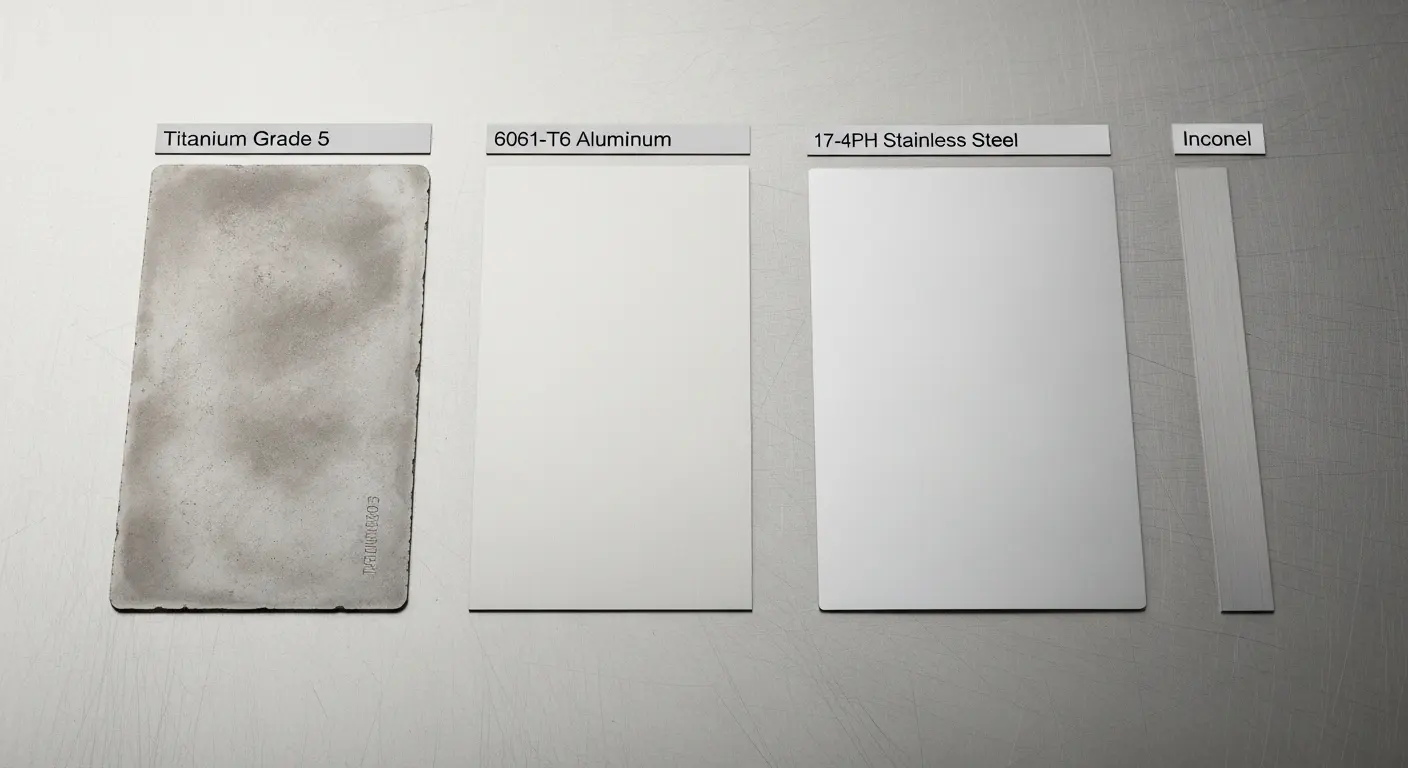
Aerospace fabrication uses material grades that push press brakes far harder than standard steel work. Anaerospace grade press brake must be configured to handle each of these correctly.
Titanium (등급 2, 등급 5 Ti-6Al-4V) — Titanium is the hardest material to bend consistently in aerospace work. It has high strength-to-weight ratio, 상당한 반격 (typically 3–5° per 90° bend), and a narrow ductility window. Bending too fast causes cracking. Bending without spring-back compensation produces out-of-tolerance flanges. Minimum bend radius is typically 2–3× material thickness for Grade 5.
Aluminum Alloys (6061-T6, 7075, 2024) — Aerospace-grade aluminum spring-back ranges from 1° to 2° per 90° bend on 6061-T6. Higher-strength alloys like 7075 그리고 2024 are less forgiving. Surface finish matters — anodized and clad surfaces mark easily with incorrect tooling radius or excessive clamping pressure.
Inconel and Nickel Alloys — Used for engine components and thermal structures. These materials require significantly higher tonnage than their thickness would suggest, and they work-harden rapidly during forming. Tool wear is aggressive.
스테인리스 스틸 (17-4PH, 15-5PH) — Precipitation-hardened stainless grades used in aerospace structures require precise overbend correction — 2–3° compensation per 90° bend in most cases.
Understanding your primary material drives every specification decision for your aerospace grade press brake — from tonnage selection to controller requirements to tooling investment.
Tolerance Standards for Aerospace Grade Press Brake Work
Aerospace tolerances are not just tighter — they are fundamentally different from general fabrication standards.
For standard CNC press brake work, the industry norm is:
- Linear positioning: ±0.1–0.2 mm
- Angular tolerance: ±0.5°
- Back gauge accuracy: ±0.15 mm
For an aerospace grade press brake, the required standards are:
- Linear positioning: ±0.01–0.05 mm
- Angular tolerance: ±0.1° to ±0.3°
- Back gauge accuracy: ±0.01mm
- Repeatability across 500+ cycles: no drift from set parameters
What makes this challenging is that these tolerances must be maintained across full production runs — not just on the first bend of a freshly calibrated machine. Temperature variation, 공구 마모, hydraulic fluid viscosity changes, and frame deflection under load all introduce drift over time. Anaerospace grade press brake manages all of these through active compensation, not just careful setup.
For shops running a 가변 각도 CNC 프레스 브레이크 with real-time sensor correction, these tolerance bands are achievable — but only when the machine's base specifications are at the aerospace accuracy tier from the start.
Key Specifications for an Aerospace Grade Press Brake
When evaluating machines, these are the specifications that separate aerospace-capable configurations from standard CNC press brakes.
구동 시스템 — Servo-electric is the top choice for aerospace accuracy. No hydraulic fluid means no viscosity variation with temperature, faster response times, and positioning repeatability at ±0.005 mm. A40-톤 전기 프레스 브레이크 is a practical entry point for smaller aerospace components and prototype work.
Encoder Type — Linear glass-scale encoders on the Y-axis are mandatory for aerospace accuracy. Rotary encoders on the motor shaft introduce mechanical play. Linear encoders measure actual ram position directly, not inferred position through the drive train.
축국 백작 — Aerospace parts often feature multiple flanges, complex geometries, and close-tolerance features that require the back gauge to reposition precisely mid-sequence. A 6-axis configuration (1학년, Y2, X, R, Z1, Z2) is the standard for aerospace-grade multi-bend work. For parts with crowning-sensitive long bend lines, a V-axis (active crowning) is also required.
CNC 컨트롤러 — The controller must support spring-back compensation databases per material grade, 실시간 각도 측정 적분, and production data logging. Controllers like the Delem DA69S and DA69T meet these requirements.
프레임 강성 — Aerospace accuracy demands a frame that doesn't flex under load. Stress-relieved, CNC-machined frames with closed C-frame or O-frame construction maintain parallelism between ram and bed under full tonnage.
Apress brake with servo motor drive combines the positioning accuracy and energy characteristics aerospace work requires, without the fluid management complexity of full hydraulic systems.
Servo-Electric vs Servo-Hydraulic: Which Is Better for Aerospace?
Both drive systems can reach aerospace accuracy levels. The difference lies in how they get there and what they cost to maintain.
| 사양 | 서보-일렉트릭 | 서보-유압 |
|---|---|---|
| Positioning accuracy | ±0.005 mm | ±0.01–0.02 mm |
| Temperature stability | Excellent — no fluid viscosity change | Good — with temperature-controlled hydraulics |
| 응답 시간 | 아주 빠르다 | 거의 (servo valve dependent) |
| 톤수 범위 | Best up to ~200T | Best above 150T for heavy work |
| 정비 | Low — no hydraulic fluid | Moderate — fluid, 인장, 필터 |
| Energy use | Lower — motor runs only on demand | Higher — pump runs continuously |
| 최적의 적용 | Precision aerospace components, thin material | Structural aerospace parts, high tonnage forming |
For most aerospace sheet metal work — brackets, ribs, skins, and enclosures in the 0.5 mm에서 6 mm range — servo-electric is the clear choice. The absence of hydraulic fluid variation means the machine performs identically on the first bend of the shift and the last.
For heavier structural aerospace components where tonnage exceeds 200T, a premium servo-hydraulic system with temperature-controlled fluid and proportional servo valves can meet aerospace accuracy requirements, at lower capital cost for high-tonnage capacity.
Tooling for Aerospace Grade Press Brake Bending
The machine alone doesn't deliver aerospace accuracy. Tooling is equally critical on an aerospace grade press brake.
Punch radius for titanium — Titanium requires a larger punch nose radius than steel of equivalent thickness. A rule of thumb is minimum 3× material thickness for Ti-6Al-4V. Sharp radii initiate cracking at the bend line in titanium, even when the machine's bending speed is correctly controlled.
Tool surface hardness — Aerospace tooling typically uses precision-ground tool steel with surface hardness of 58–62 HRC. Softer tooling wears faster under titanium and high-strength steel, and surface degradation introduces angle variation over production runs.
Tool height consistency — For aerospace accuracy, all tools in a multi-station setup must match height within ±0.01 mm. Wila-style precision clamping with self-seating tool sockets is standard in aerospace-grade configurations.
Clearance control for clad and anodized surfaces — Many aerospace aluminum parts have protective coatings. Standard V-dies with sharp shoulder radii scratch coated surfaces. Polyurethane die inserts or polished radii protect surface integrity during forming.
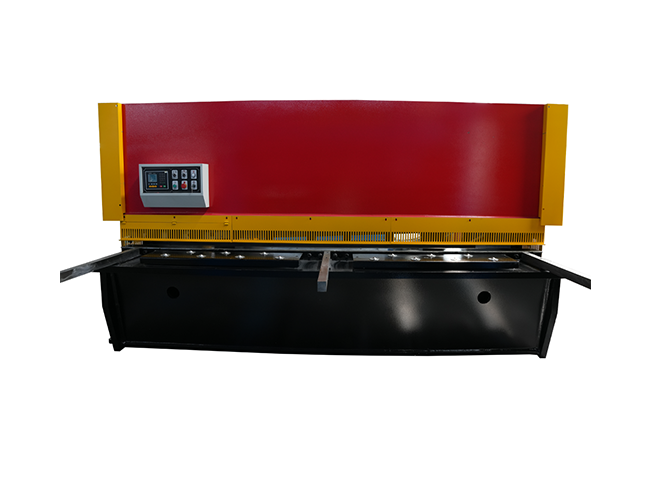
Good tooling combined with an aerospace grade press brake sustains accuracy across long production runs — not just on initial setup. 그heavy-duty hydraulic metal shear for precision blanking and a robotic MIG/TIG welding machine for downstream assembly complete the full precision fabrication workflow that aerospace supply chains require.
품질, Traceability, and Compliance in Aerospace Bending
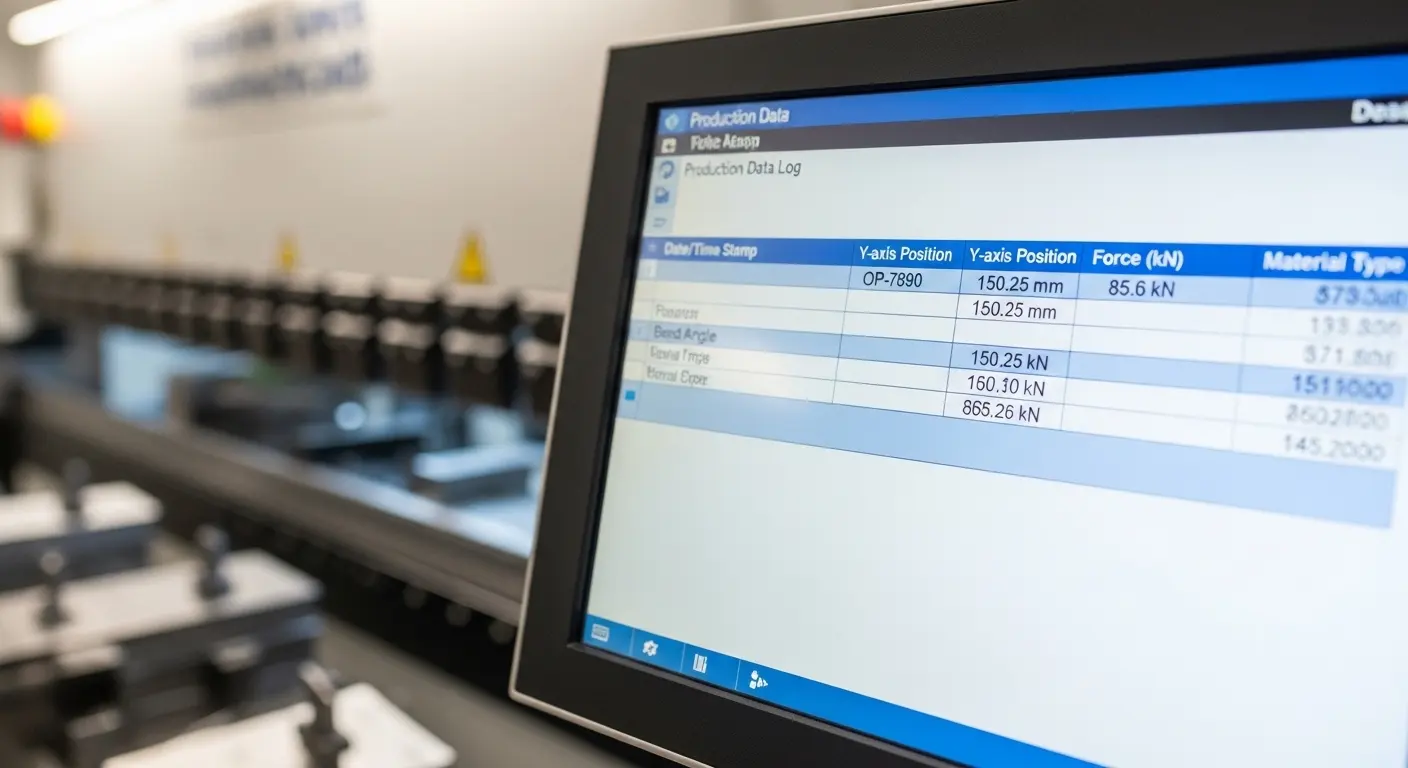
Aerospace customers don't just buy parts — they audit the process that produces them. Anaerospace grade press brake needs to support your shop's quality management system, not just make accurate bends.
AS9100 Rev D — The quality management standard for aerospace manufacturers. Your press brake's CNC controller must be able to log bend parameters (힘, Y-axis position, back gauge position, date/time, operator ID) per production run. Some customers require per-part traceability on serialized components.
NADCAP accreditation — Shops supplying to major aerospace OEMs often need NADCAP certification for special processes including sheet metal forming. This requires documented process controls, machine calibration records, and material certifications tied to each production lot.
Machine calibration and certification — An aerospace grade press brake must be calibrated at regular intervals using traceable standards. Most aerospace supply contracts specify calibration frequency (typically every 6–12 months) and require calibration records to be available on request.
제1차 검사 (해야 해) — Aerospace buyers routinely require FAI documentation on new parts, including bend angle measurements, flange length measurements, and material certifications. Your machine's CNC controller should be able to export the production parameters used for each FAI run.
For shops sourcing an aerospace grade press brake from overseas suppliers, confirming compliance documentation availability before purchase avoids costly certification gaps after delivery.
How to Evaluate an Aerospace Grade Press Brake Before Buying
Use these five questions to assess any machine before committing to a purchase.
1. What is the actual positioning accuracy — measured, not rated?
Ask for independent calibration test reports, not just datasheet claims. Aerospace accuracy at ±0.01 mm must be verified under load, not just at zero force.
2. What encoder type is used on the Y-axis?
Confirm linear glass-scale encoders are standard equipment, not an optional upgrade. Rotary encoders are not acceptable for aerospace accuracy tiers.
3. Does the controller support spring-back compensation per material grade?
Aerospace work spans multiple alloys with different spring-back behavior. Your controller needs a programmable material database — not just a single correction value.
4. Can the machine log and export production data per batch or per part?
AS9100 traceability requires this. Confirm the controller has USB or network export capability with parameter logging included.
5. What is the machine's accuracy rating after thermal stabilization?
A machine may spec ±0.01 mm cold, but drift under operating temperature. Ask for accuracy data after 2 hours of production running — that's the real operating spec.
Frequently Asked Questions About Aerospace Grade Press Brake
What is an aerospace grade press brake?
An aerospace grade press brake is a CNC press brake that meets the accuracy and repeatability standards required for aerospace manufacturing. It typically delivers positioning accuracy of ±0.005–0.01 mm, angular repeatability of ±0.1°–±0.3°, active spring-back correction, and full production data logging for traceability.
What accuracy does aerospace bending require?
Aerospace bending typically requires angular tolerance of ±0.1° to ±0.3° and linear positioning of ±0.01 mm to ±0.05 mm. These tolerances must hold across full production runs, not just on initial setups. This is 5–10× tighter than general fabrication tolerances.
Can a hydraulic press brake achieve aerospace grade accuracy?
예, a premium servo-hydraulic press brake with linear encoders, temperature-controlled fluid, and proportional servo valves can reach aerospace accuracy levels. For maximum precision — especially on thin titanium and aluminum — servo-electric drive systems are more consistent because they eliminate hydraulic fluid variability.
What materials does an aerospace grade press brake handle?
Aerospace grade press brakes handle titanium (등급 2 and Grade 5), 알루미늄 합금 (6061-T6, 7075, 2024), precipitation-hardened stainless steel (17-4PH, 15-5PH), 인코넬, and other nickel-based alloys. Each material requires specific spring-back compensation, tooling radius, and bending speed settings.
What is the difference between an aerospace grade press brake and a standard CNC press brake?
A standard CNC press brake targets ±0.1 mm positioning and ±0.5° angular tolerance. An aerospace grade press brake targets ±0.005–0.01 mm positioning and ±0.1°–±0.3° angular tolerance — typically through linear encoders, servo-electric drive, active angle measurement, and advanced spring-back correction that standard machines don't include.