


金属成形: プロセス, 種類, および実用応用
金属成形は現代製造の中核的な基盤の一つです. 構造用ビームや自動車パネルから航空宇宙部品、家電用筐体まで, 成形された金属部品はほぼすべての産業分野を形成しています.
ACCURLは、金属成形を力を用いて制御された変形によって金属を望ましい形に再形成するプロセスと説明しています, 装備, および金型 . 機械加工のように材料を取り除くのではなく, 金属成形は材料の連続性を維持しつつジオメトリを変えます—しばしば強度の維持と結晶構造の改善.
このガイドは、金属形成の基本をクリアに再構成します, 製造専門家に適した生産重視の概要.
金属成形とは何か?
金属成形は金属ストックの形状を変える作業です—例えば、シート, ロッド, またはビレット—加えられた力によって. 材料は切断されることなく塑性変形して新しい形状に変形します .
簡単に言えば, 金属成形は制御された変形です. 圧縮によるか?, 緊張感, または複合応力, この目標は一貫しています: 原材料を効率的かつ正確に機能部品に変換します.
熱作業と冷たい作業
金属成形工程はしばしば温度に基づいて分類されます:
熱作業
熱加工は、材料の再結晶点より高い温度で行われます, 通常、融点の60%以上 . この高温下では:
-
延性の増加
-
必要な成形力が減少します
-
内部応力は減少します
一般的な例としては、熱間圧延や熱鍛造があります .
利点
-
作業性の向上
-
ひび割れのリスク低減
-
穀物精製
制限
-
エネルギー消費量の増加
-
酸化およびスケーリングのリスク
-
寸法精度の低下
コールドワーク
冷間作業は室温またはその近くで行われます, 再結晶温度以下 . この工程はひずみ硬化によって金属を強化します.
例としては冷間圧延があります, コールドフォージング, ワイヤードローイング .
利点
-
表面仕上げの改善
-
高次元の精度
-
降伏強度の向上
制限
-
より高い力の必要性
-
脆性のリスク
-
残留応力
温水作業と冷温作業の選択は、必要な機械的特性に依存します, 公差, そして生産効率.
金属成形の主な分類
金属成形技術は、加えられた支配的な応力によって分類できます.
1. 圧縮応力形成
圧縮プロセスは金属を圧縮または圧迫することで形を変えます .
一般的なプロセス:
-
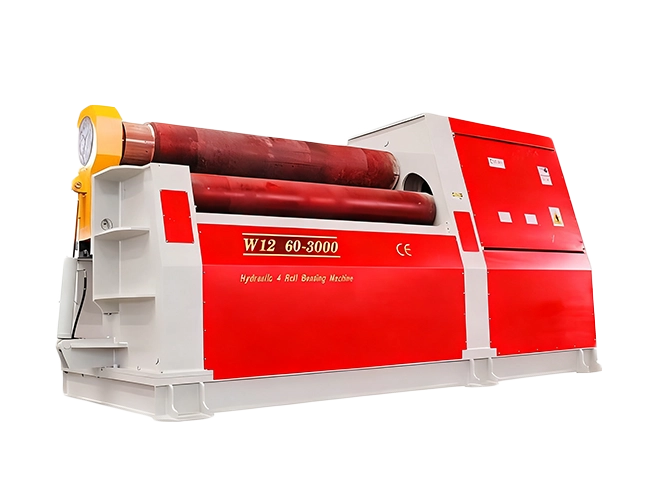
ローリング – 厚さを減らし、均一性を向上させる.
-
押出 – 金属をダイに押し込み、一定の断面積を作り出します.
-
鍛造 – 局所圧縮力を用いて強度を高める.
-
成形/スタンピング – プレス板を成形型にします.
これらのプロセスは自動車のフレームで広く使われています, 構造用梁, ギア, および工業部品 .
2. 引張応力形成
引張成形は金属を形作るために伸縮します .
例としては以下のものがあります:
-
ストレッチフォーミング
-
拡大
-
表面の後退
これらの技術は航空宇宙パネルでよく用いられます, アーキテクチャメッシュ, および軽量構造部品 .
3. 複合応力形成
一部のプロセスでは、引張力と圧縮力の両方を用いて複雑な形状を実現しています .
例としては以下のものがあります:
-
ディープドローイング
-
紡績
-
フランジ成形
-
膨らみ
複合応力成形により、容器のような中空形状が可能となります, 自動車パネル, および円筒形部品.
追加の金属加工方法
主に変形に基づくものの, 金属成形は関連する工程を統合することが多いです:
-
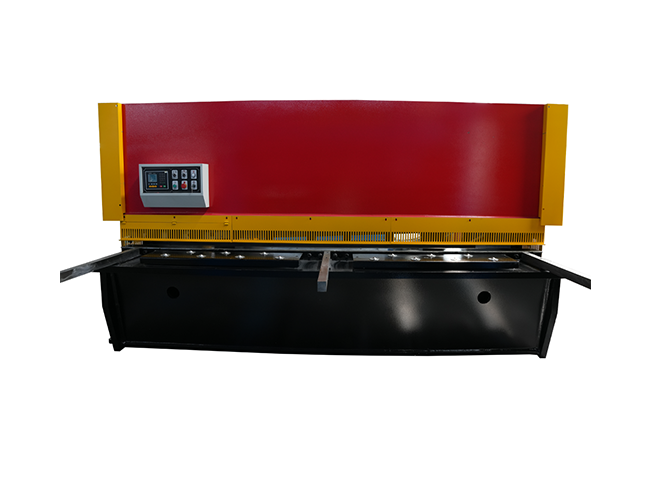
せん断 – せん断力による切断板
-
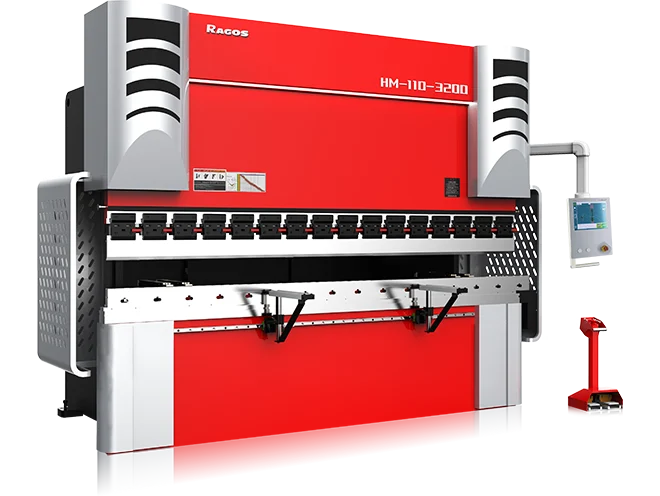
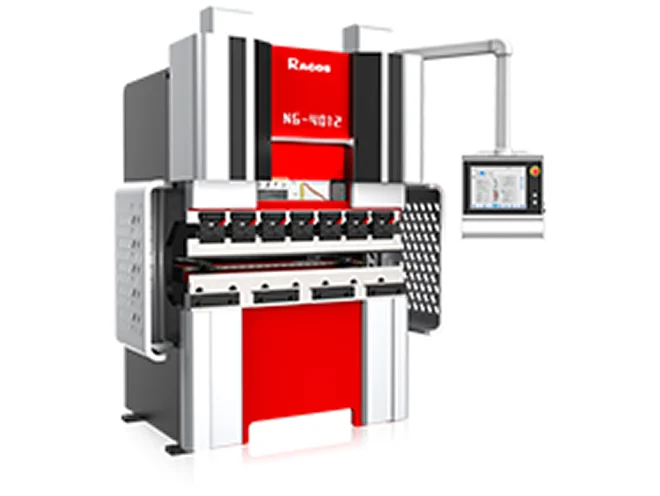
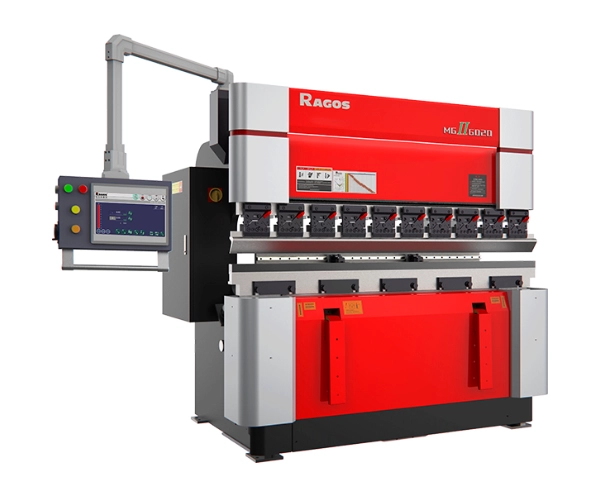
ベンディング – 直線軸に沿った変形シート
-
パンチング – パンチ&ダイシステムによる穴の開け方
-
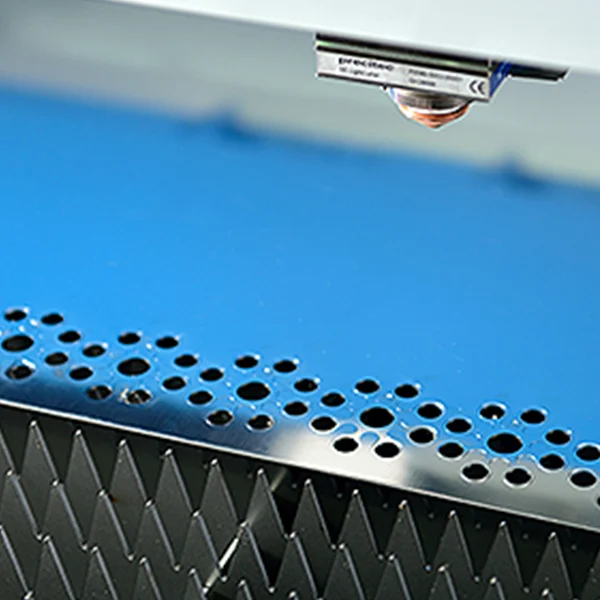
レーザー切断 – 精密熱切断
-
キャスティング – 溶融金属を型に注ぎ込む
-
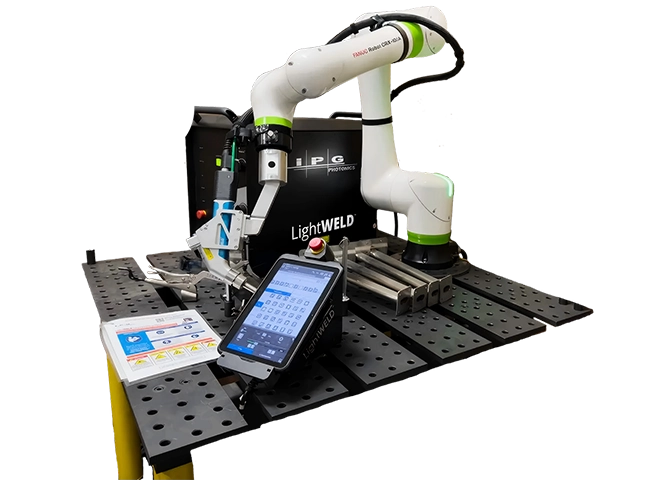
溶接 – 形成された部品の接合
これらのプロセスは完全な製造ワークフローをサポートします.
金属成形に使用される機器
金属成形は専門的な装置に依存します, 含む:
-
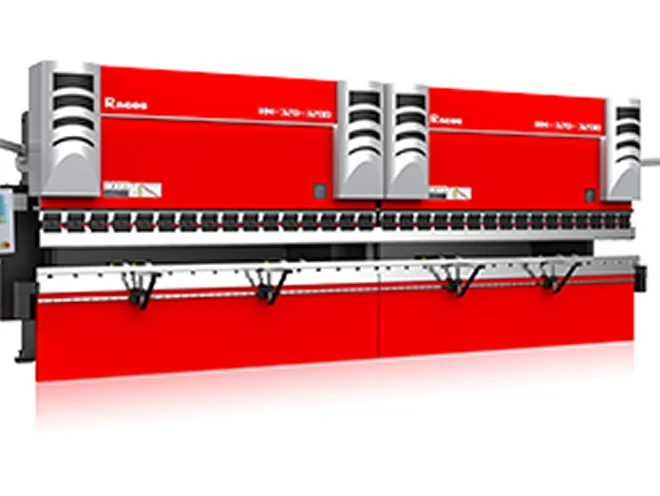
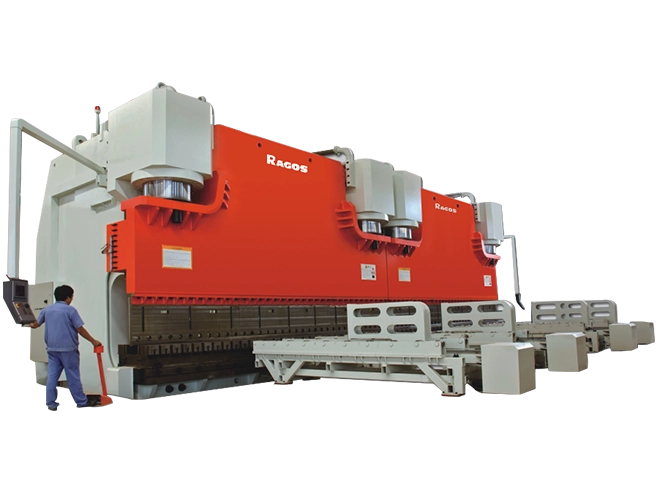
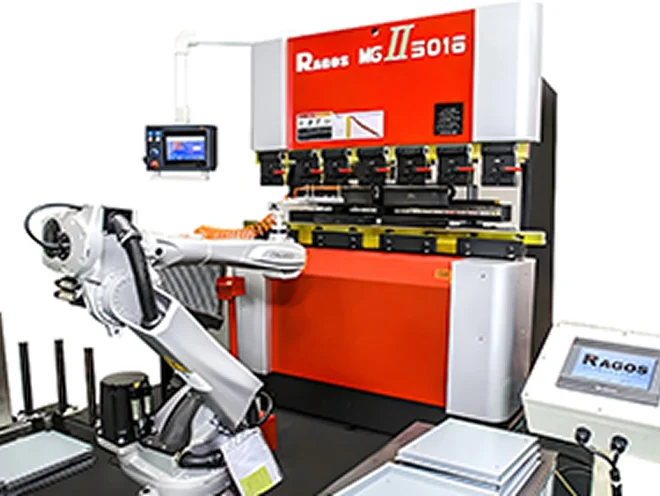
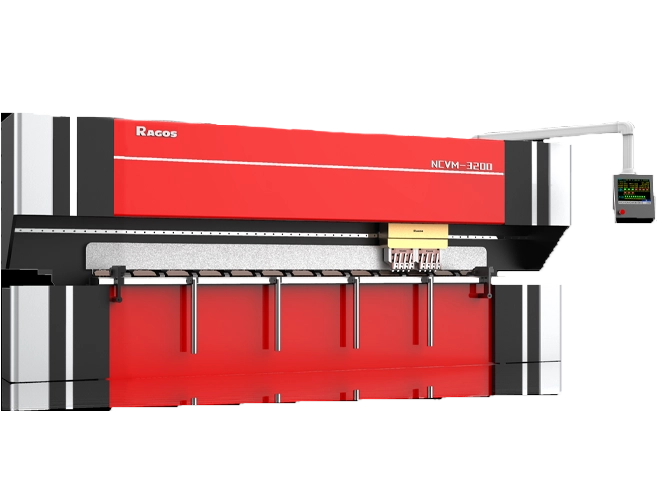
プレスブレーキ
-
油圧および機械式プレス
-
圧延工場
-
ダイと型
-
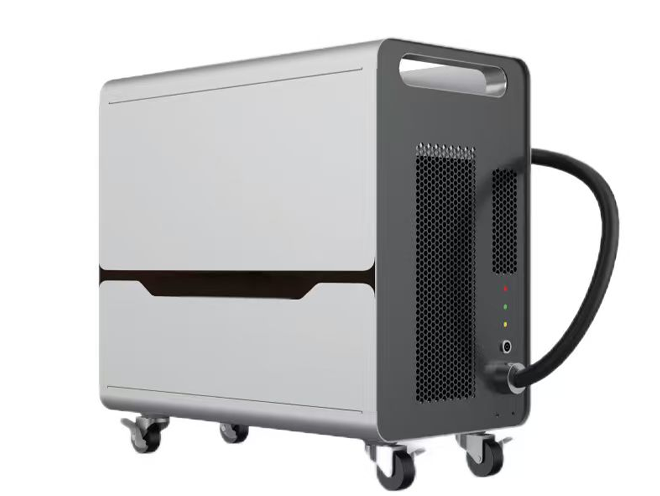
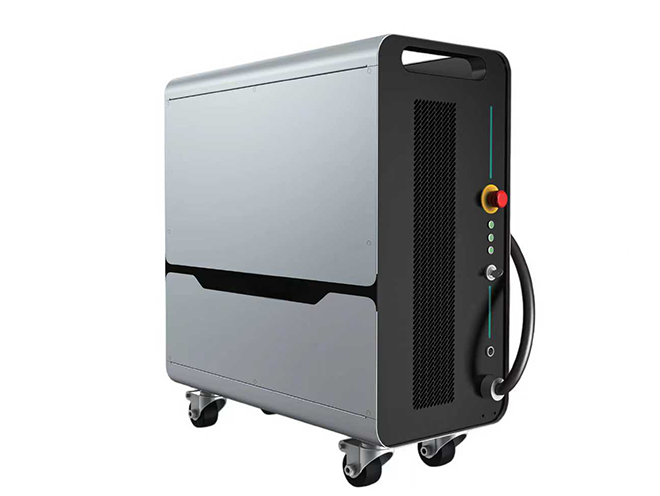
レーザー切断システム
工具の選択は材料特性に依存します, 厚さ, 幾何学的複雑性, 生産量.
産業応用
金属成形は多くの産業を支えています :
-
自動車 (シャーシ, ボディパネル)
-
航宇 (構造部品)
-
建設 (梁, 括弧)
-
民生用電子機器 (エンクロージャ, コネクター)
各セクターは強度に基づく異なる成形技術を活用しています, 精度, 生産要件.
適切な金属成形方法の選び方
正しいプロセスを選ぶには、評価が必要です:
-
材料特性 (降伏強度, 延性)
-
必要な公差
-
部品の複雑さ
-
生産台数
-
コスト効率
誤った方法選択がひび割れを引き起こす可能性があります, 歪み, 過剰なスクラップ, または不要な工具費用.
金属成形作業のベストプラクティス
ACCURLは運用規律とプロセス管理を重視しています . ベストプラクティスには以下が含まれます:
-
工具を材料グレードに合わせる
-
成形設備の定期的なメンテナンス
-
温度と力の制御
-
ワークフローレイアウトの最適化
-
機械安全に関するオペレーターの訓練
プロセスの一貫性は部品の品質や機械の寿命に直接影響します.
金属成形における安全性
金属成形には高力で重い機械が使われるためです, 安全プロトコルは不可欠です .
主な指標には以下が含まれます:
-
オペレーター訓練
-
個人用保護具 (PPE)
-
定期機器点検
-
緊急停止システム
-
可動部品の適切な保護
安全文化は人員と生産の連続性の両方を守ります.
結論
金属成形は、原金属を現代産業を支える重要な部品へと変えることです. ローリングを通じて, 鍛造, ベンディング, または深い描き方, それぞれの方法は特定の構造的および機能的な目的を持っています.
温度分類を理解することで, 応力圏, 工具要件, および安全性の考慮事項, 製造業者は品質のバランスを取った最適なプロセスを選択できます, 効率, およびコスト.