


レーザー切断出力: 本当にどれくらい必要なんですか?
レーザー切断力は切断厚さを決定する上で最も重要な要素の一つです, 速度, 効率, および運用コスト. 適切な出力レベルの選択は生産性に直接影響します, カット品質, および長期的な投資収益率(ROI).
現代の産業用レーザーカッターは通常、非常に広い範囲に及びます — 約30ワットの低出力システムから40kWに達する重工業機械まで . 板金製造において, ファイバーレーザー切断機は一般的に1kWから40kWまで入手可能です . これらの数字が何を意味するのかを理解する — そしてそれらがあなたのプロセスにどのように影響するか — システムに投資する前に非常に重要です.
「レーザー切断力」とは何か” 平均?
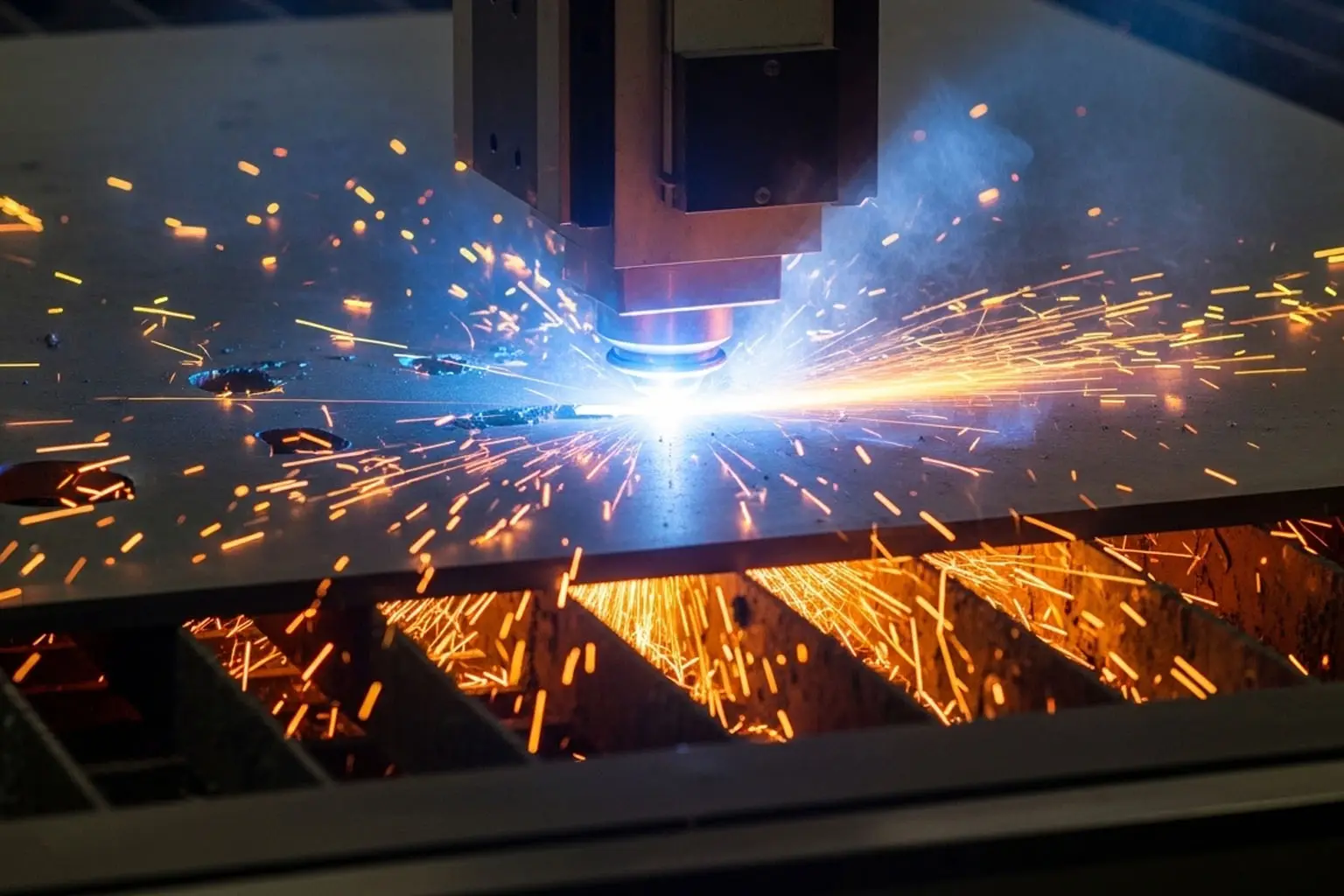
レーザー切断出力とは、レーザー源の出力出力を指します, キロワット単位で測定 (kW) 産業用システム向け. 度数が高いほど, 材料に届くエネルギー密度は大きいほど.
レーザー切断は、高出力レーザービームを光学系とCNCモーションコントロールに通して溶かすことで行われます, 燃えろ, または物質を蒸発させる . 必要な熱入力は:
-
材料の種類
-
材料の厚さ
-
切断方法 (反応性または不活性ガス)
-
望ましい切断速度
簡単に言えば, 厚いまたは反射率の高い材料は、清潔を維持するためにより高いレーザー出力を必要とします, 速いカット.
産業用レーザー切断における典型的な出力範囲
産業用レーザーカッターは通常、これらの範囲内で動作します:
-
低出力 (1–2 kW) – 薄い板金
-
中出力 (3–6 kW) – 一般的な製作
-
高出力 (8–20 kW) – 厚板切断
-
超高出力 (30–40 kW) – 重工業生産
レーザー切断機’ 総消費電力 (補助システムを含む) 通常、構成によって0.1 kWから15 kWの範囲です .
区別することが重要です レーザー源出力出力 そして 総電力消費量, 冷却ユニットも含まれます, 排気システム, および周辺機器 .
ファイバーとCO₂: 出力と効率の違い
レーザー効率は、どれだけの電気エネルギーが切断力に変換されるかに大きな影響を与えます.
CO₂レーザーは通常5で動作します–効率10%, 一方、ファイバーレーザーは約20個の精度を達成します–板金切削の効率は30% .
これはつまり:
-
ファイバーレーザーは同じ切断結果に対してより少ない入力エネルギーで済みます.
-
効率が高まることで長期的なエネルギーコストが削減されます.
-
ファイバーシステムを使うことで熱管理が容易になります.
金属加工のために, このエネルギー変換率の向上により、ファイバーレーザーが主流となりました .
レーザー出力が切断厚さに与える影響
レーザー出力は材料の厚さを決定します.
高出力レーザーは厚い材料を切断できますが、極端なレベルでは精度が低下する可能性があります . 逆に, 低出力設定は精度向上ですが、厚さの能力は制限されます .
産業用熱入力データによると:
-
ステンレススチール (3.2 mm) 約1500Wを必要とする場合があります
-
ステンレススチール (6.4 mm) 約2500Wを必要とする場合があります
-
アルミニウム (6.4 mm) 最大10人まで必要となる場合もあります,000 で
これは厚さが増すほど必要なワット数が劇的に増加することを示しています.
切断速度とパワーの関係
高出力は厚い切断を可能にするだけでなく — また、切断速度も劇的に向上します.
レーザー切断はメルト&ブローなどの方法を用います (融合切断), 高圧ガスがケルフから溶融物質を除去する場所 . 十分な電力が加わると:
-
ピアス時間が短くなる
-
エッジ品質の向上
-
生産サイクルの短縮
大量生産環境向け, 3 kWから6 kWへのアップグレードは、部品あたりの製造時間を大幅に短縮できます.
レーザー出力要件に影響を与える主な要因
レーザー切断電力の需要はワット数だけで決まるものではありません. 必要なエネルギー量にはいくつかの変数が影響します:
1. 運行時間
稼働時間が長くなるほど、エネルギー消費は直接増加します .
2. 最大レーザー出力設定
最大出力で機械を連続稼働させると、はるかに多くの電力を消費します .
3. 周辺機器
冷却ユニット, 排気システム, そして空気管理システムも、すべて総消費量に加算しています .
4. 環境条件
高温は冷却負荷と総消費電力を増加させます .
切断パラメータの最適化により、性能を維持しつつ不要な電力消費を削減できます.
エネルギー消費とコスト効率
レーザー切断は、比較的低コストの1時間あたりの運用コストが高いため、コスト効率が高いとよく考えられています.
産業用機械は構成によって0.1 kWから15 kWの消費電力を消費することがあります . 高い瞬時出力にもかかわらず, 全体的な時間単価の運用コストは機械的切断技術と比較して競争力を保つことができます .
効率向上 — 特にファイバーレーザーシステムにおいて — 総所有コストの削減に貢献します .
レーザー出力と安全性の考慮事項
高出力レーザーは重大な安全リスクを伴います.
500 mWを超えるレーザーはクラスIVに分類され、目や皮膚に重篤な損傷を与える可能性があります . 産業用レーザー切断システムは通常、この閾値をはるかに超えて動作し、:
-
密閉型カッティングキャビン
-
安全インターロックシステム
-
適切な接地
-
オペレーター保護プロトコル
出力の増加は常に適切な安全設計と一致しなければなりません.
適切なレーザー切断出力の選び方
適切なレーザー切削出力の選択は用途によって異なります:
選べ 1–3 kW もし:
-
薄いシートを切った (≤5mm)
-
精度と低運用コストが優先事項です
-
生産量は中程度です
選べ 4–6 kW もし:
-
混合厚さの材料を切断しました
-
スピードが非常に重要です
-
柔軟性が求められます
選べ 8 kW もし:
-
厚い皿は定期的に切っています
-
高スループットが必要です
-
工業規模の生産が目標です
レーザー出力を材料の種類や生産量にマッチさせることで、速度の最適なバランスが取れます, 費用, 品質.
総評
レーザー切断力は直接影響します:
-
切断厚さ
-
生産速度
-
エネルギー消費
-
運用コスト
-
安全要件
産業用システムは、低出力ユニットから40 kWの重機まで多岐にわたります . ファイバーレーザー効率 (20–30%) CO₂と比較 (5–10%) 現代の製造におけるコストパフォーマンスをさらに向上させています .
単に利用可能なワット数の高いものを選ぶのではなく, 成功しているメーカーはレーザー出力を材料の要求に合わせて調整しています, 生産目標, そして長期的な運用効率.