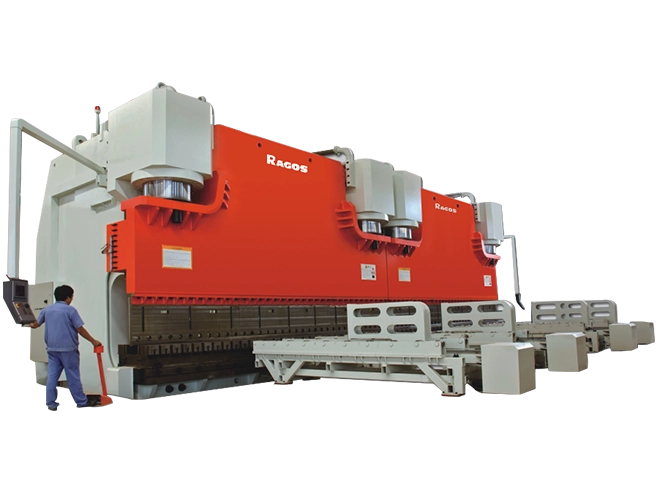
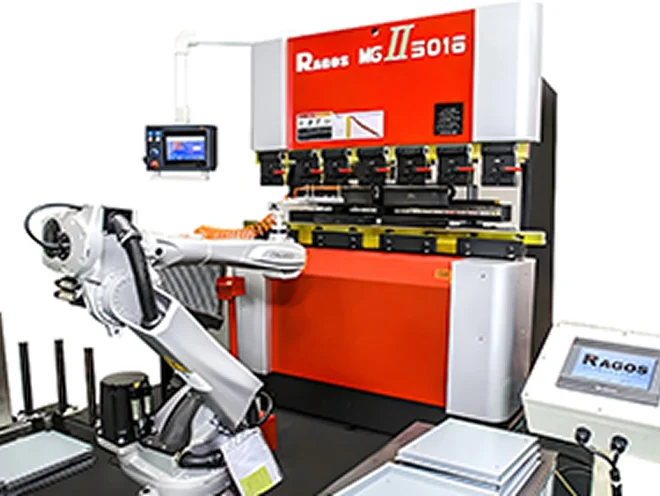
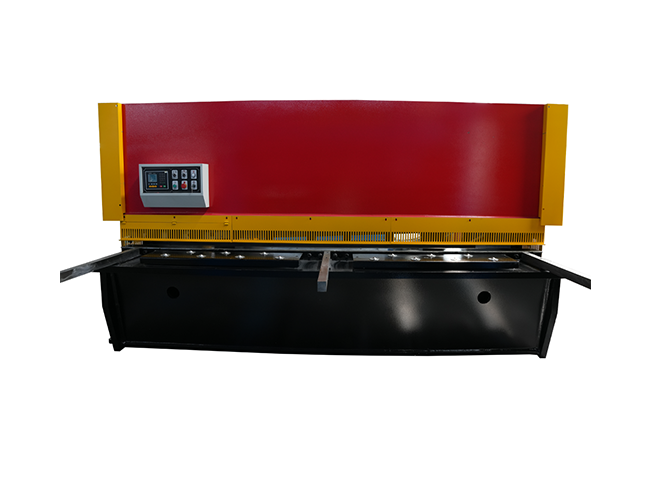
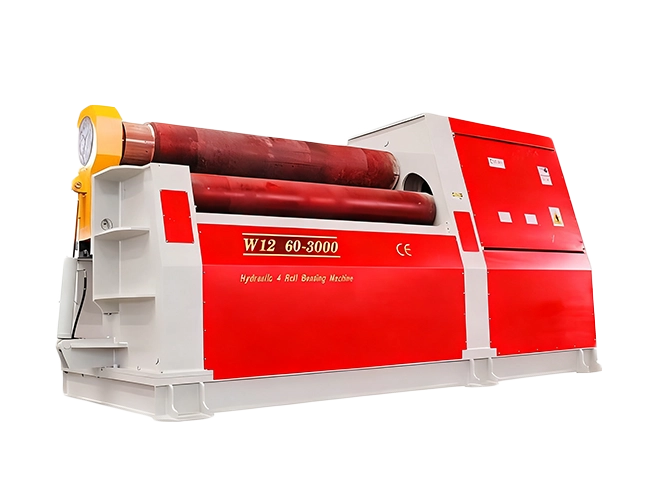
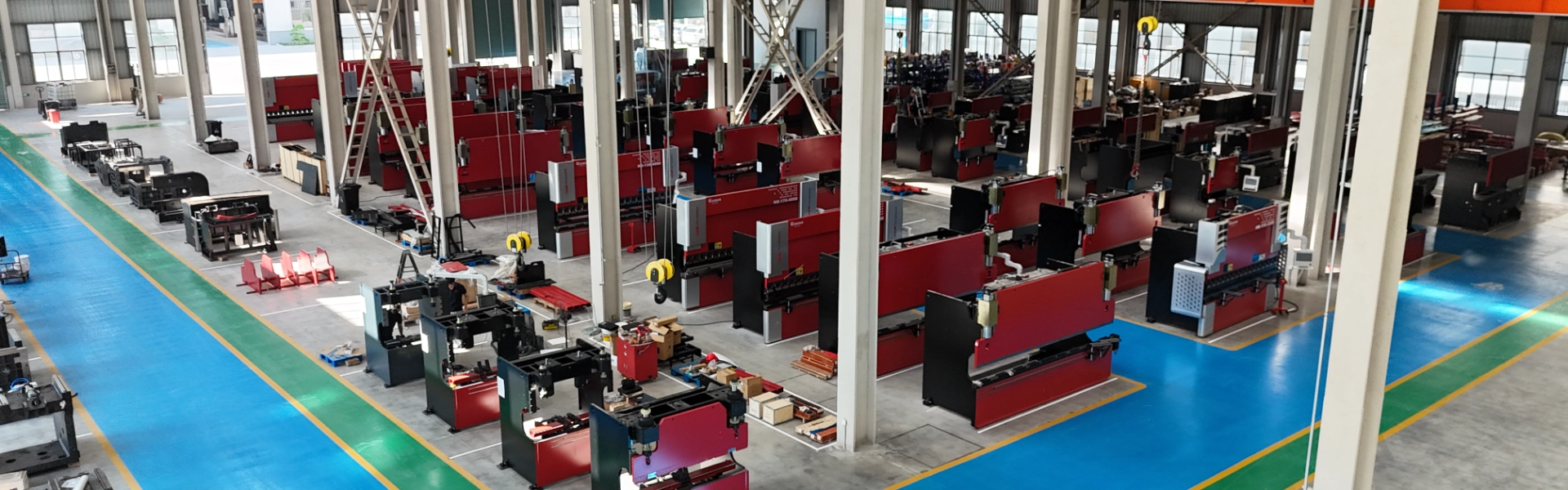
4本ロールプレート圧延機 ヘビーデューティ:パラメータ設定と自動圧延の方法
4-Roll Plate Rolling Machine Heavy Duty equipment plays an important role in modern plate forming because it helps manufacturers produce cylinders with better control, repeatability, and efficiency. At JS RAGOS, we believe many users misunderstand automatic rolling. In actual production, the machine does not create the rolling path by itself. It repeats a confirmed forming path created by the operator through manual trial rolling. This principle supports stable cylinder forming, especially when users require consistent diameter accuracy, better roundness, and repeatable production quality.

Industry references also note that four-roll machines are widely valued for easier plate alignment, better prebending performance, and improved forming consistency when compared with simpler configurations. These advantages make them highly suitable for precision-oriented and automatic production environments.
なぜ4ロールプレート圧延機の重負荷運転は論理から始まるのか
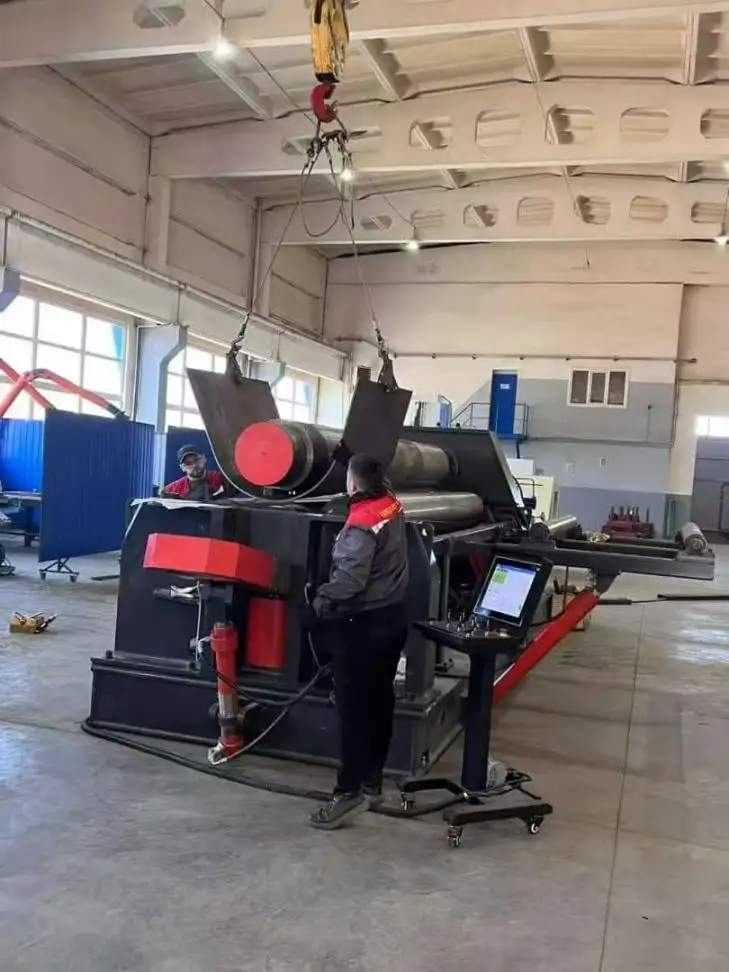
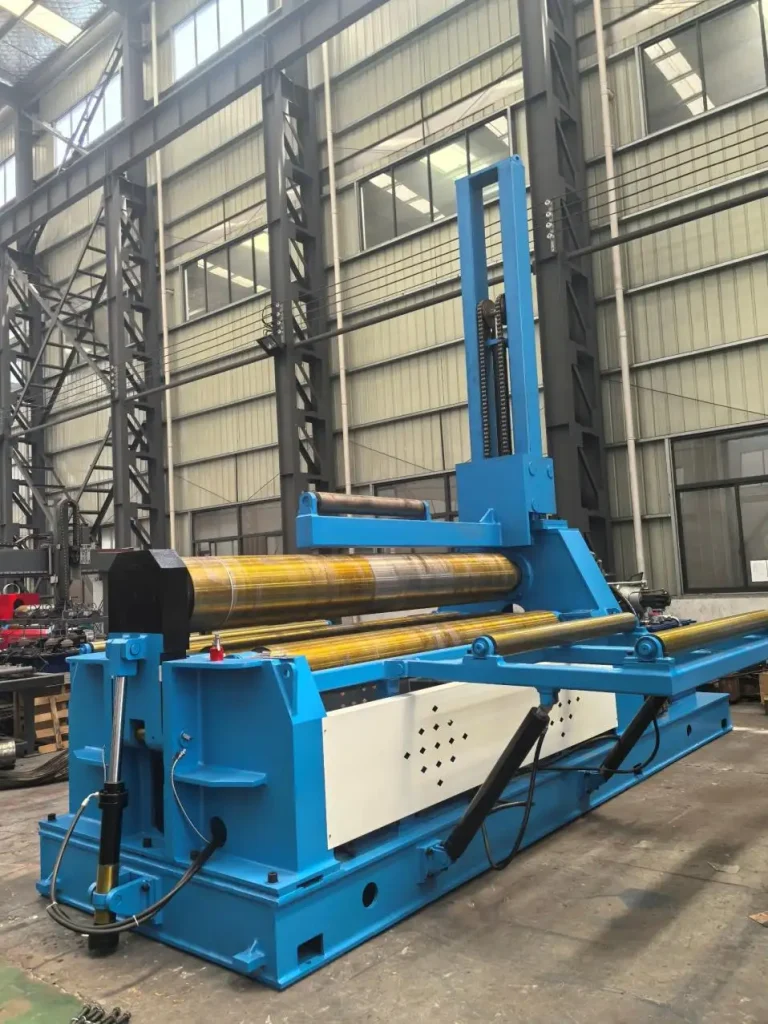
A professional operator should never treat automatic mode as a shortcut that replaces process understanding. In a 4-Roll Plate Rolling Machine Heavy Duty system, forming depends on coordinated roller displacement. The upper roller drives the plate, the lower roller clamps it, and the side rollers create the required curvature. Because of this structure, correct position matters more than simply increasing pressure.
From the customer's perspective, this brings an important practical benefit: once the correct motion path is verified, the machine can reproduce similar parts with far less variation. This makes four-roll systems a practical choice for applications where repeatability and controlled production performance are important. Industry sources also describe four-roll machines as a strong choice for precision work and automatic lines because they offer stable alignment and reduced deformation risk.
At JS RAGOS, we always recommend that clients build process stability first, and then pursue higher output. This sequence reduces wasted material and shortens adjustment time in later batches.
圧延前の機械準備
Before any program is used, the machine must establish a correct coordinate reference. This step is not optional. All later displacement values depend on the origin position.
The preparation process should include the following points:
・機械を起動し、油圧システムを起動
• 下ローラーと両側ローラーを最も低い位置に移動させる
・制御インターフェース上の座標値をリセットする
• この位置が機械的なゼロ点になることを確認する
If the origin is not reset correctly, stored values will no longer match the real roller positions. As a result, the machine may follow the program correctly on screen but still produce the wrong cylinder on the shop floor.
For customers, this means one simple fact: even an advanced CNC system cannot protect production quality if the reference position is wrong. A few minutes of correct preparation can prevent costly rework, scrap, and repeated trial adjustments.
自動ローリング前にパラメータを確認する方法

A 4-Roll Plate Rolling Machine Heavy Duty program becomes reliable only after the first workpiece has been rolled manually and confirmed. This first trial is where the operator finds the actual forming trajectory for the given plate.
During this stage, the operator should gradually adjust the side rollers while observing the seam gap, roundness, and overall cylinder shape. Once the result is correct, the displacement values shown on the screen should be recorded. These values are not theoretical. They are the real forming path for that material, thickness, and target diameter.
Before storing the data for automatic mode, several parameters must also match actual production conditions:
• Use the measured thickness, not only the nominal plate thickness
• プレートがローラー中心線に正しく入るようにアライメントギャップを設定する
• プレートを確実に固定しつつ表面を損傷させないようにクランプ係数を調整する
・ローリング後の安全なリリースのための後退距離を定義する
This distinction is very important. The parameter settings define the rolling conditions, while the recorded displacement values define the rolling path. When these two parts work together, the automatic cycle becomes reliable.

At JS RAGOS, we explain this clearly to clients because it helps them avoid one common misunderstanding: automation does not replace setup knowledge. Instead, automation protects a proven setup and repeats it efficiently.
4-Roll Plate Rolling Machine Heavy Duty Automatic Rolling Sequence
Once the manual test piece is verified, the machine can repeat the same motion in automatic mode. The rolling sequence follows the real forming process step by step.
First, the plate enters the machine and establishes the reference position. Then the lower roller lifts to clamp the plate securely. After this, one side roller moves to its programmed starting point. The plate rotates until it reaches the correct forming zone between the upper and lower rollers.
The next stage is prebending. One side roller rises to reduce the straight edge on the leading end. After that, the roller returns to its programmed path and the opposite side roller continues the rolling process to form the cylinder progressively. Finally, the machine reverses rotation to remove the remaining straight edge, lowers pressure, and releases the finished workpiece.
This sequence matters because it supports the main strength of four-roll technology: the plate can be clamped and aligned early in the process, which helps maintain better control during rolling. That is one reason four-roll machines are often recognized as easier to operate and well suited for automatic production.
Compensation, Re-Trial Conditions, And Common Mistakes
Even with a stored program, production conditions do not remain correct forever. If seam gaps become uneven across the cylinder length, the issue is often related to roller parallelism. In this case, compensation should be applied to the lower side until both displacement readings return to balance.
This approach gives customers a real operational advantage: better roundness can often be restored through correct compensation, without increasing rolling force unnecessarily.
However, a new manual trial is required when the following conditions change:
・板の厚さ変化
・素材の種類の変更
・ターゲット直径の変更
・プレート幅の大幅な変化
・ローラーの整備または交換
Many operating problems happen because users skip this step and run automatic mode too early. Common errors include failing to reset origin, entering incorrect thickness, or trying to correct shape problems by increasing pressure instead of correcting roller position. These mistakes usually lead to oval parts, unstable roundness, or repeated setup losses.
クライアントがJS RAGOSサポートから得るもの
At JS RAGOS, we do not present a 4-Roll Plate Rolling Machine Heavy Duty model as only a piece of equipment. We present it as a production solution built around stable forming logic, practical setup control, and repeatable automatic rolling.
For clients, this means clear value:
・手動検証からバッチ生産への移行がより迅速
・繰り返し部品間でのシリンダー一貫性のより良い制御
・誤ったパラメータ仮定による廃棄物の削減
・構造化されたローリングシーケンスを必要とするオペレーターの訓練を容易にする
・要求の高いプレート部品の製造における自信の向上
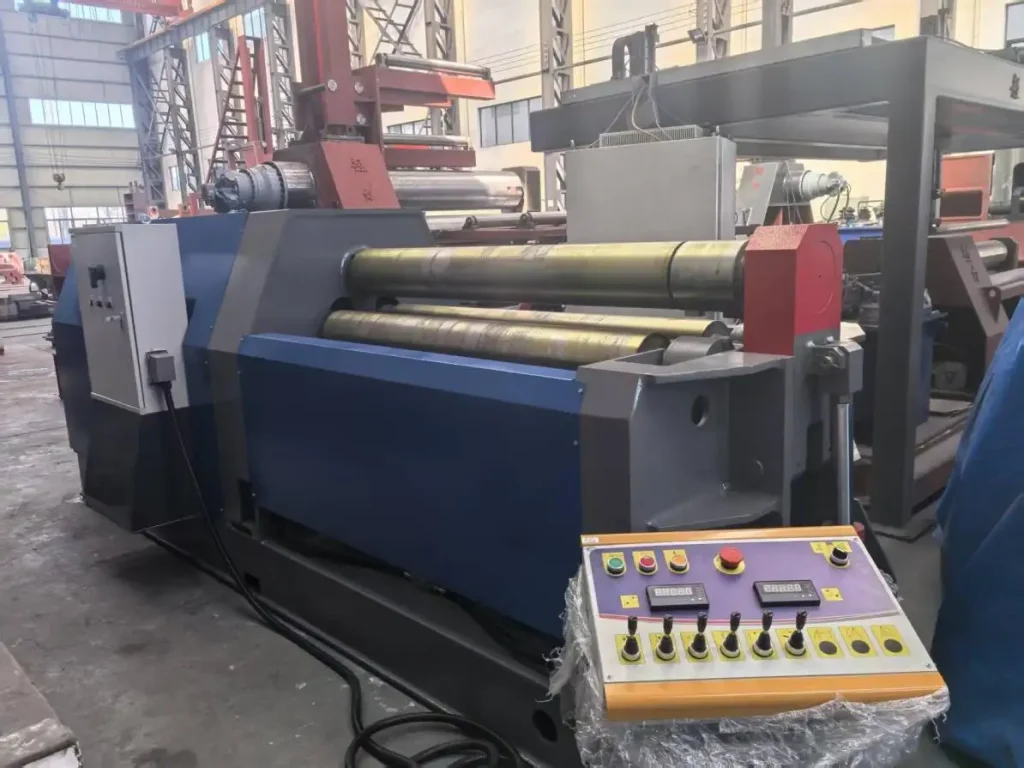
For broader reference, readers may also review industry discussions on four-roll machine design and rolling machine production trends from sources such as HARSLE and Faccin-style technical articles, which regularly discuss alignment control, prebending capability, and automated repeatability in modern rolling systems.
If your team is evaluating a new plate rolling project, or if you want to improve automatic rolling stability on current jobs, contact JS RAGOS today. Our engineers can help you review material conditions, parameter logic, roller movement sequence, and machine configuration, so your next cylinder production run starts from a verified forming path instead of trial-and-error.
In plate rolling, reliable automation begins with a correct manual reference. When origin setting, parameter matching, compensation adjustment, and trajectory recording are handled properly, automatic rolling becomes a true production advantage rather than a source of uncertainty.